
Project/Greenwich, Connecticut/Under construction
Greenwich Shingle Style
A new Shingle Style house built to read as inherited from the first winter.
Most of our clients arrive carrying the same private question. They have walked enough nineteenth-century houses in Greenwich, Litchfield County, and the Hudson Valley to know what a settled house feels like, and they do not want to spend three years restoring one. They want to build now, on land they have already chosen, and they want the house to feel as if it had always been there. This project is our answer. A new Shingle Style house on a back-country parcel above the Mianus, specified line by line so that its first winter reads as its tenth. Hand-split white cedar that will silver to pewter inside two seasons. Lead-coated copper gutters that read dove-grey from the day they are hung. Hand-troweled lime over a lime ground on every principal wall, mixed on site, finished by a single plasterer working from a single bucket. Reclaimed chestnut underfoot, pulled from a Pioneer Millworks barn frame in upstate New York. A Sommerhuber kachelofen set into the great-room hearth as the heating gesture for the western half of the ground floor. P. E. Guerin unlacquered bronze hardware throughout, allowed to find its own color over thirty years. This is the strongest argument we can make for new construction at the Chesa standard. Call 917.502.9236 to walk the parcel, or write to begin a brief.
The unspoken question
How can a new house feel inherited. Our position is that the answer is almost never in the silhouette. The silhouette is the easy part. A competent Shingle Style massing, a broken roof line, a wrapping porch, a porte-cochere set off the entry court, these are well-understood proportions and a good architect will land them. What we are asked for, and what we specify against, is the second reading. The reading you get standing in the back hall in stocking feet at six in the morning, with the kettle on. That reading is built from material, from sequence, and from restraint about anything that announces itself as new. We work the second reading from the spec sheet outward, with the architect of record on every call.
The envelope, weathering forward
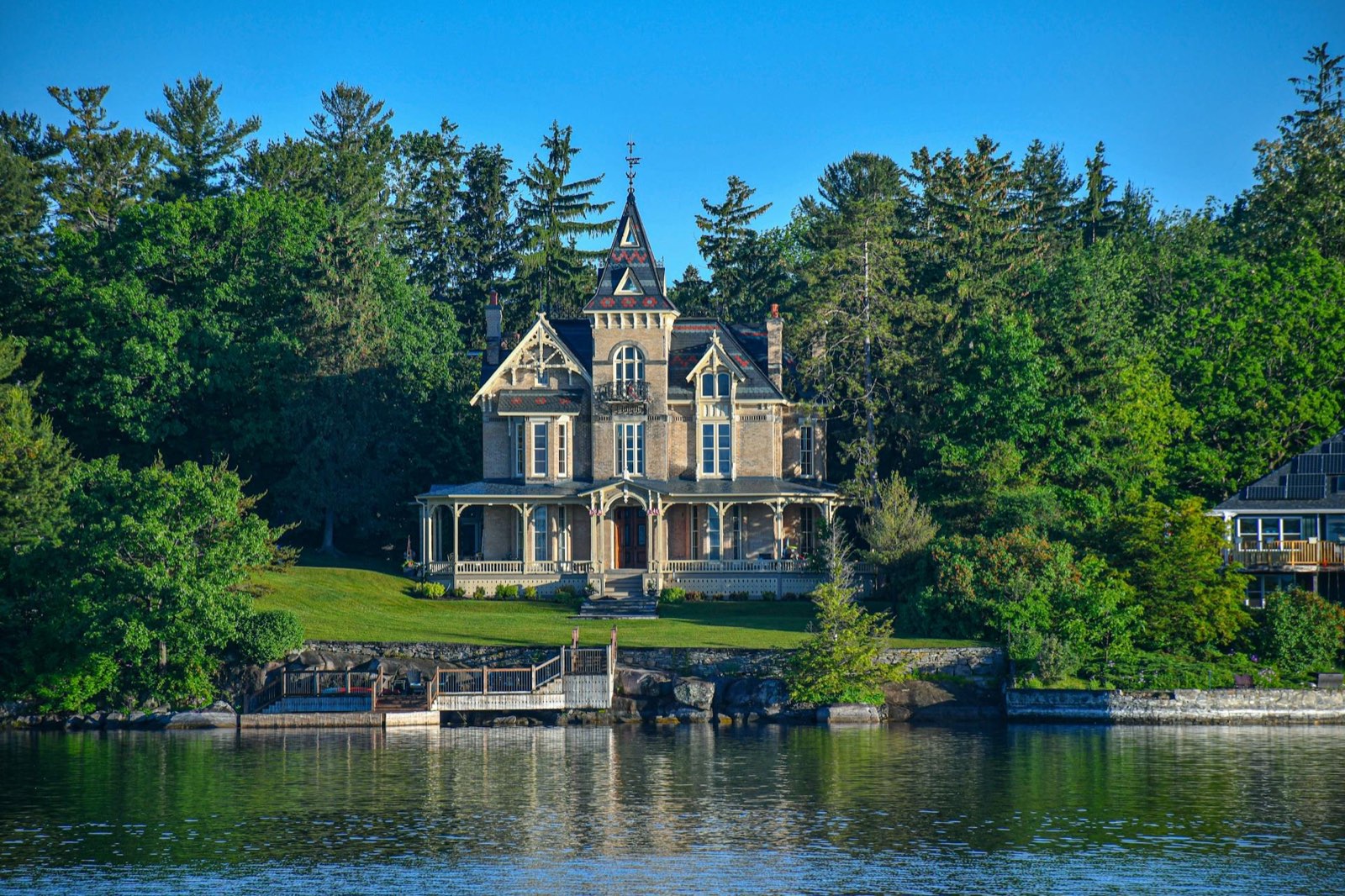
Hand-split white cedar shingle on the field, ordered green from a Maine cooperative, installed wet so that the cup and the curl belong to this wall rather than to a kiln schedule. By the second August the south face is already pewter, the north face is still honey, and within four winters the whole envelope has resolved into the silver-grey that reads as fifty years of weather. Lead-coated copper gutters and downspouts, half-round, hung on hand-forged brackets. Lead-coated copper reads dove-grey from the day it is hung, which is the point. Bright copper would announce a date. Eaves are tight, not deep, in the Greenwich vernacular. Fieldstone foundation laid in lime mortar by a Litchfield mason we have worked with on three previous houses, with a softened pointing that will lichen within a decade. No sealants on the stone. The envelope is built to age forward, not to be protected from age.
The hearth is the room
The great room is organized around a Sommerhuber ceramic stove, a kachelofen in the Austrian tradition, set into a fieldstone surround on the long wall. This is the heating gesture for the western half of the ground floor and the social gesture for the whole house. Sommerhuber tile is ordered in a quiet bone glaze with a faint hand-trowel in the surface, the kind of tile you only notice on the third visit. The stove is wood-fired with a sealed combustion chamber and an exterior air feed, so it carries on the coldest February night without pulling air from the room. A built-in bench wraps the surround in fumed white oak with horsehair cushions in a Holland and Sherry wool. The fireplace is real, the bench is real, the hearth holds. Guests find this room before anyone calls them to it.
Lime ground, lime finish, single hand
Every principal wall on the ground floor and the principal bedroom suite receives a hand-troweled lime finish over a lime ground. The ground is mixed on site from Saint-Astier natural hydraulic lime and a local fine aggregate, applied in two coats, allowed to carbonate, then finished with a third coat of polished lime tinted with raw earth pigments to a warm bone. The work is done by one plasterer, by hand, from one continuous batch on each elevation, so the surface holds the rhythm of a single arm. The finish takes light the way old plaster takes light. It warms in the afternoon, cools in the morning, and never reads as a paint. Joinery is painted in linseed oil paint in the Allback tradition, two coats, hand-brushed, on hand-planed poplar trim. The trim profile is the simple Greenwich ovolo, scaled to a nineteenth-century rule.
Floors, doors, hardware
Wide-plank reclaimed chestnut from Pioneer Millworks underfoot through the principal rooms, twelve to eighteen inches wide, butt-jointed, face-nailed with cut nails, finished only with hand-rubbed wax over a thin oil. Stair treads in the same chestnut, with a fumed oak stringer. Service rooms and the back stair in reclaimed pine, oil and soap finish, scrubbed weekly. Interior doors in flat-panel poplar, hung on solid brass butt hinges, with P. E. Guerin unlacquered bronze knobs and rim locks throughout. Guerin hardware is specified unlacquered on purpose. It will darken to chestnut on the high-traffic doors and stay close to its original color on the guest rooms, which is the kind of difference that reads as decades of use. Cabinet pulls are the simple cast bronze drop, sized down a quarter inch from the catalog standard so the hand falls right.
The kitchen, split in two
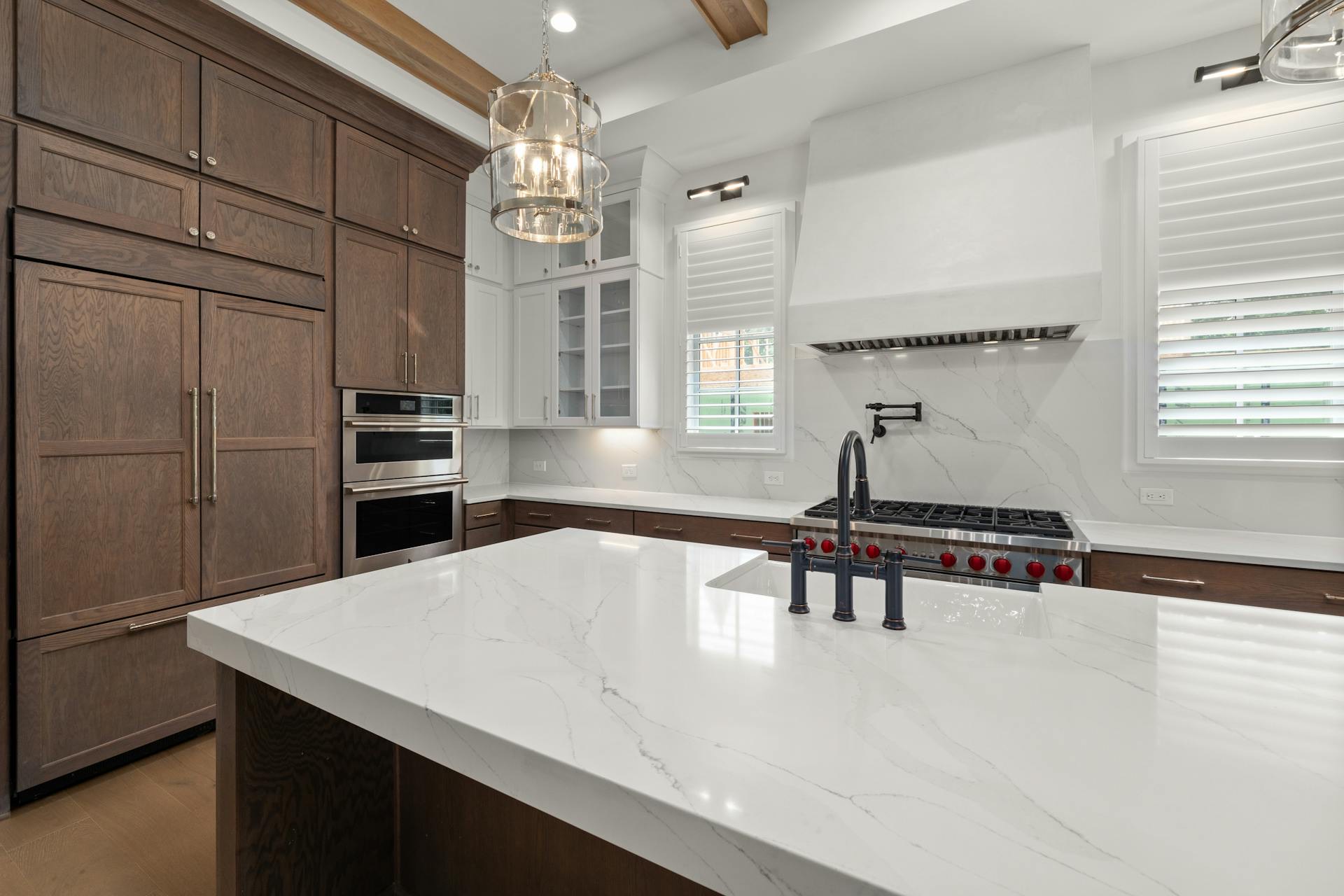
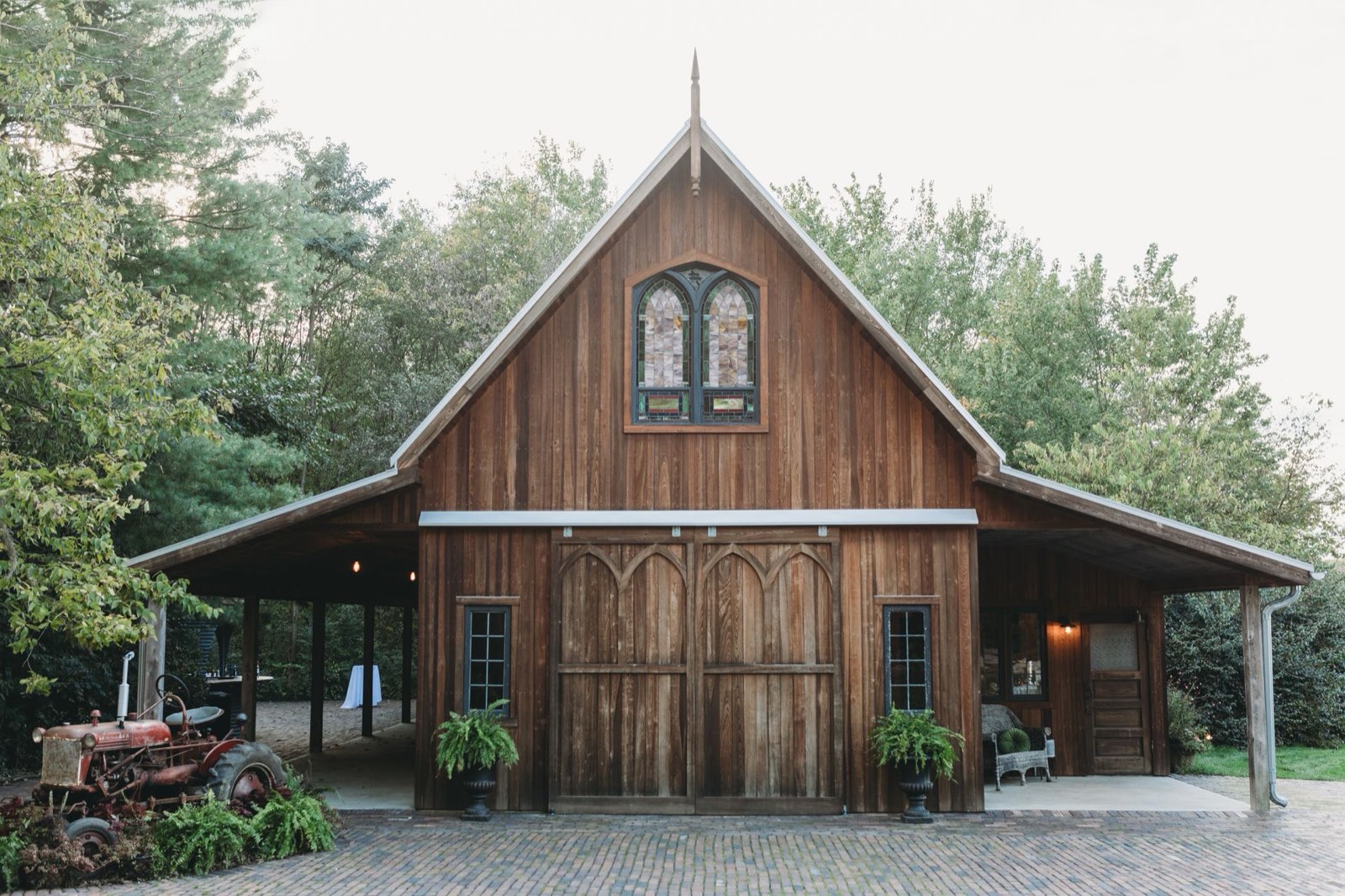
There is an entertaining kitchen and there is a working kitchen, and the two are organized so that the cook is never on stage and the guest is never in the way. The entertaining kitchen sits on the garden side, with a fumed oak island, a soapstone counter, a La Cornue range under a plaster hood, and a small zinc-topped table for the breakfast that nobody bothers to set in the dining room. Behind it, through a single swinging door, the working kitchen carries the dish pantry, the prep counters in honed Bardiglio, the second dishwasher, the warming drawers, the staff coffee station, and the door to the back stair. Off the working kitchen sits a cold room, fifty-four degrees year round, for cheese, charcuterie, and the case wine that does not belong in the cellar. The scullery sits between the working kitchen and the back hall, with a deep fireclay sink, a drying rack, and a service window for the gardener. Staff circulation runs from the working kitchen along a back corridor to the boot room, the laundry, the guest apartment stair, and the rear court, without crossing a single principal room.
The boot room, placed first
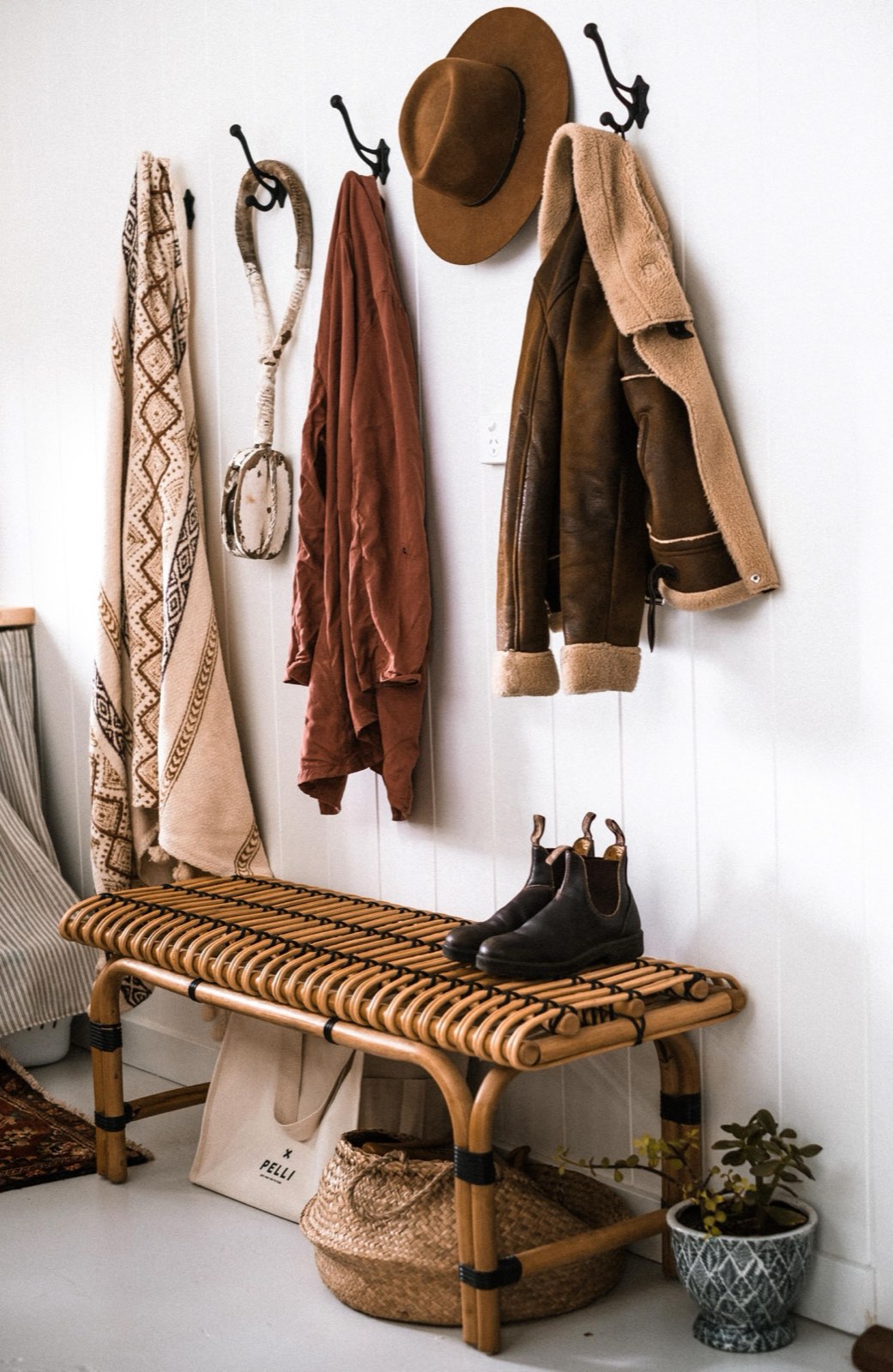
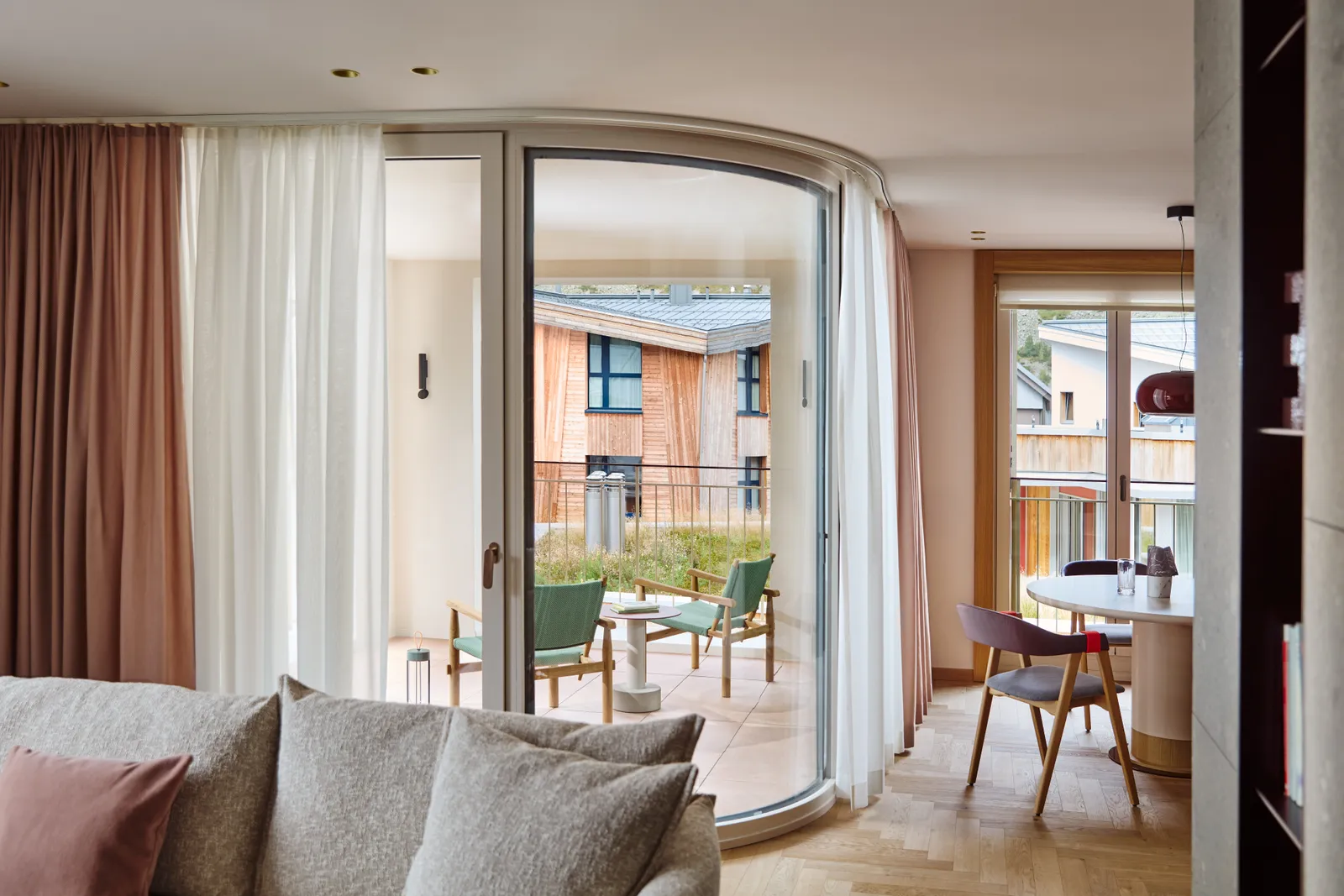
We move the boot room into the position the foyer usually occupies. You arrive from the motor court through a covered porch, drop coats, kick off mud, set the dog water, hang the leash, and only then walk into the house proper. This is the Reschio sequence and it changes the way a house behaves in November. The boot room is generous, twelve feet deep, with a fieldstone floor sloped to a slot drain, a long fumed oak bench with under-bench baskets, a wall of cubbies for ten coats, a brass rail for wet riding gear, and a separate small WC with a stone trough sink. The actual foyer, the one with the stair and the front door, is reserved for the front-of-house arrival, which in this house happens perhaps six times a year. The two doors are sized differently on purpose. The boot-room door is wide enough for a sled and an armload of firewood.
Carriage house, sleeping in
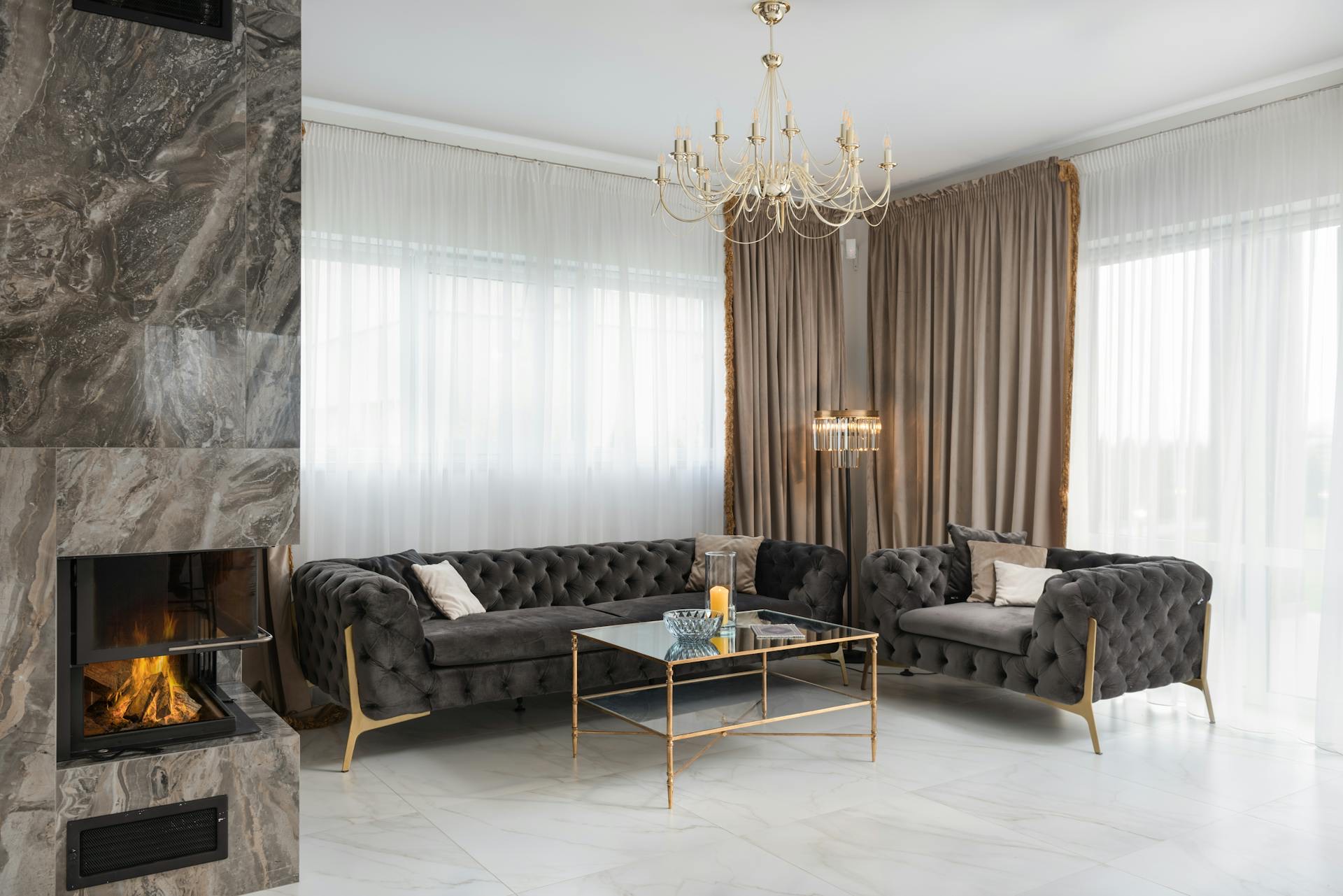
Across the motor court, a carriage house carries three garage bays on the ground floor and a full guest apartment above, with its own exterior stair and its own door. The apartment has a sitting room with a small stove, a galley kitchen with a Lacanche range, a bedroom with a west window, and a bath in honed Calacatta. The point is that a son-in-law can arrive at midnight from JFK without crossing the principal house, sleep until ten, and walk to the main kitchen for coffee on his own schedule. The carriage house is built in the same hand-split white cedar as the principal house, on the same fieldstone foundation, with the same lead-coated copper. From the road it reads as the older outbuilding the property never had.
The wine room, against fieldstone
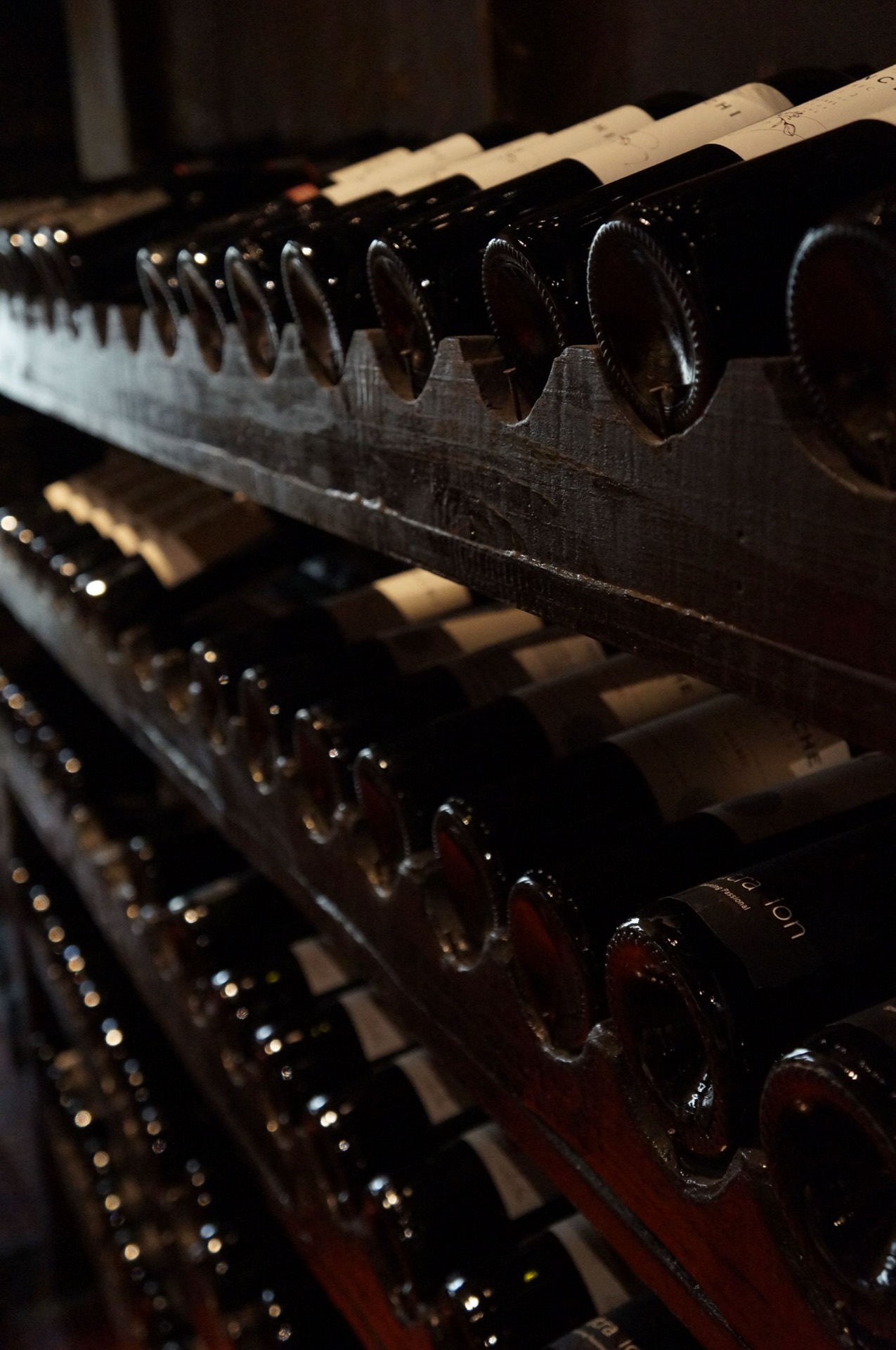
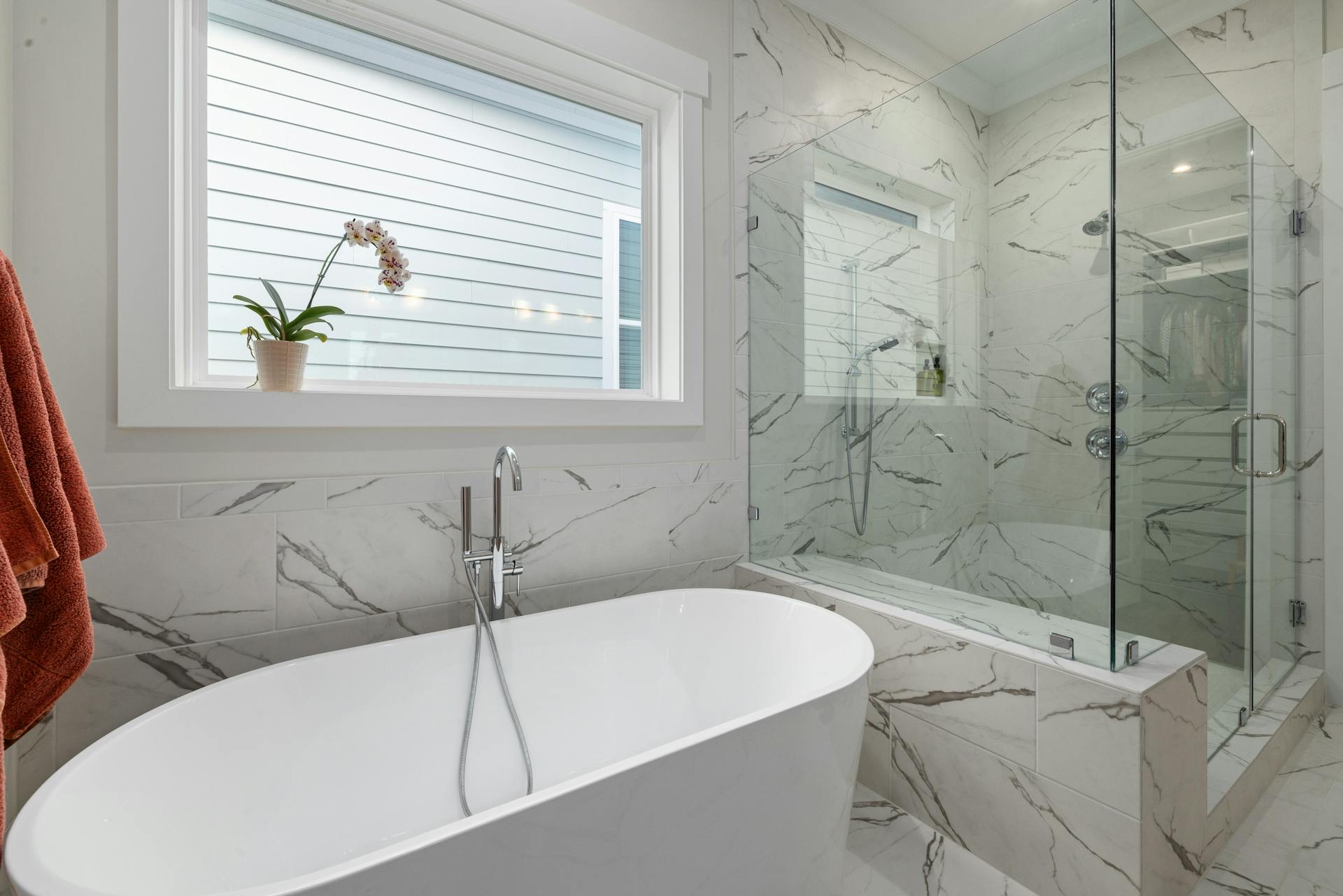
Under the north-east corner of the principal house, set against the original fieldstone foundation wall, a wine room sized for fifteen hundred bottles. Single-depth racks in unfinished white oak, hand-built by a Connecticut joiner to the actual case dimensions of the client's Burgundy and Piedmont buyers. The room holds fifty-five degrees Fahrenheit and sixty-five percent relative humidity through a passive vapor barrier, a small split conditioner, and a humidifier on a hygrostat, with a backup unit on a separate circuit. The fieldstone wall is left raw, pointed in lime mortar, lit from a single brass picture light over the tasting counter. The tasting counter is a four-inch slab of Patagonia quartzite on a fumed oak base, with a hand-forged iron foot rail. The door is a single slab of fumed oak with a Guerin bronze pull, weighted, with a continuous gasket and a magnetic seal.
What we are willing to argue for
We are willing to argue, with the architect, the builder, and the client, for the unfashionable position on every page of the spec. For hand-split shingle over machine-perfected. For lime over gypsum. For unlacquered bronze over polished nickel. For a real wood stove over a gas insert that mimics one. For reclaimed chestnut with the saw marks left in over engineered plank with a wear layer. For a boot room before a foyer. For a working kitchen behind the entertaining kitchen, with a door that swings both ways. For fieldstone pointed soft, allowed to lichen. For a carriage house with its own stair. For a wine room sized to the actual collection. None of this is more expensive than the alternative when you cost the thirty-year line. All of it is what makes the difference between a new house and an inherited one.
Sources and notes
Named workshops on this project
Sommerhuber for the ceramic stove. P. E. Guerin for the unlacquered bronze. Pioneer Millworks for the reclaimed chestnut. Saint-Astier for the natural hydraulic lime. Allback for the linseed oil paint. La Cornue and Lacanche for the ranges. Holland and Sherry for the wool. Henraux Bardiglio and Patagonia quartzite for the working stone. Local Litchfield mason for the fieldstone and lime mortar.
Working positions stated as standard
The hearth is the room. The boot room sits before the foyer. The kitchen splits in two. The carriage house carries its own stair. The wine room is sized to the actual collection at fifty-five degrees and sixty-five percent. Every fixed material is named to a workshop. Hardware is unlacquered. Plaster is lime. Floors are reclaimed and waxed.
Begin the brief
Chesa Studio takes one new-construction commission per year in Connecticut at this standard. To walk a parcel or open a conversation, call 917.502.9236.
Begin a new-build brief.
Send a brief or call the studio. We respond to every serious inquiry within two working days.