Region/Connecticut
Connecticut
Alpine restoration craft inside a Connecticut envelope. Greenwich, New Canaan, Litchfield County.
We work the Connecticut belt from Greenwich and New Canaan through Westport, Darien, and Ridgefield, then north into Salisbury, Sharon, Washington, Litchfield, and Kent. The houses are Federals on three to seven acres, Shingle Style on the water, carriage barns waiting to become guest wings, and new construction asked to read as inherited from the first winter. The local field is serious. Wadia Associates, G. P. Schafer Architect, Robert A. M. Stern, Ferguson and Shamamian, Allan Greenberg, Haynes Roberts, and S. R. Gambrel cover the classical envelope with rigor we respect. What we bring is the layer those offices do not source domestically: alpine restoration craft. Hand-troweled lime over a lime ground, sgraffito on a courtyard wall, a Sommerhuber kachelofen anchoring the family room, fumed chestnut where Fairfield County defaults to painted poplar, lichen-stained granite laid in lime mortar by masons who learned the wall in the Engadin. The same standard runs from a Greenwich Shingle to a Salisbury Federal to a hillside chasa above St. Moritz.
The program ladder
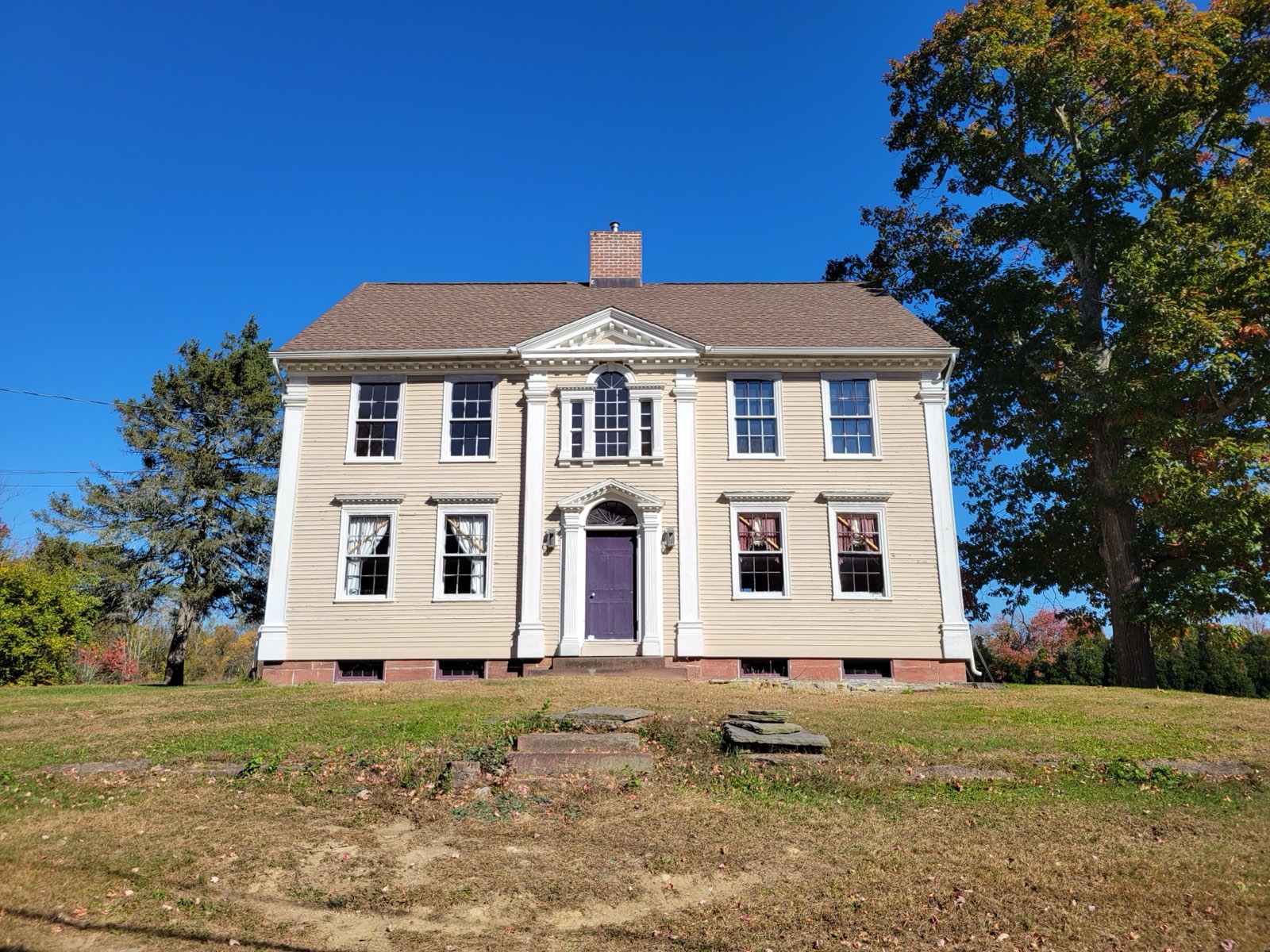
Our Connecticut work moves on a clear ladder. At four million, a restored five-bedroom Federal on three to seven acres, with a hand-troweled lime kitchen, fumed oak floors, a real boot room before the foyer, and a hearth sized to seat eight. At six, add the pool house and the wine room cut into the south slope, plus a primary wing with a dressing room and a stove-warmed bath. At eight, a gatehouse at the drive and an equestrian outbuilding rebuilt around three stalls and a tack room with Carlisle wide-plank chestnut. At ten and above, the full compound: main house, gatehouse, pool house, stable, staff quarters, climate-controlled storage for the collection, and a kitchen garden walled in Litchfield fieldstone.
Where the local field stops, and we start
Wadia, Schafer, Stern, Ferguson and Shamamian, Greenberg, Haynes Roberts, and Gambrel are working at the top of the American classical and country-house traditions. Our clients often interview one of them alongside us. The honest split is this: the painted poplar wainscot, the white-oak kitchen, and the painted Carrara mantel are well covered. What does not show up on a Fairfield County job is a wall finished in lime by an atelier from Lake Como, a ceramic stove faced in green Sommerhuber tile, sgraffito incised into the courtyard render, or a stair landing in fumed chestnut from an Engadin mill. We sit beside the classicist when one is already engaged, or we lead the work when the brief is restoration-forward and asks for European hand.
Material vocabulary for the region
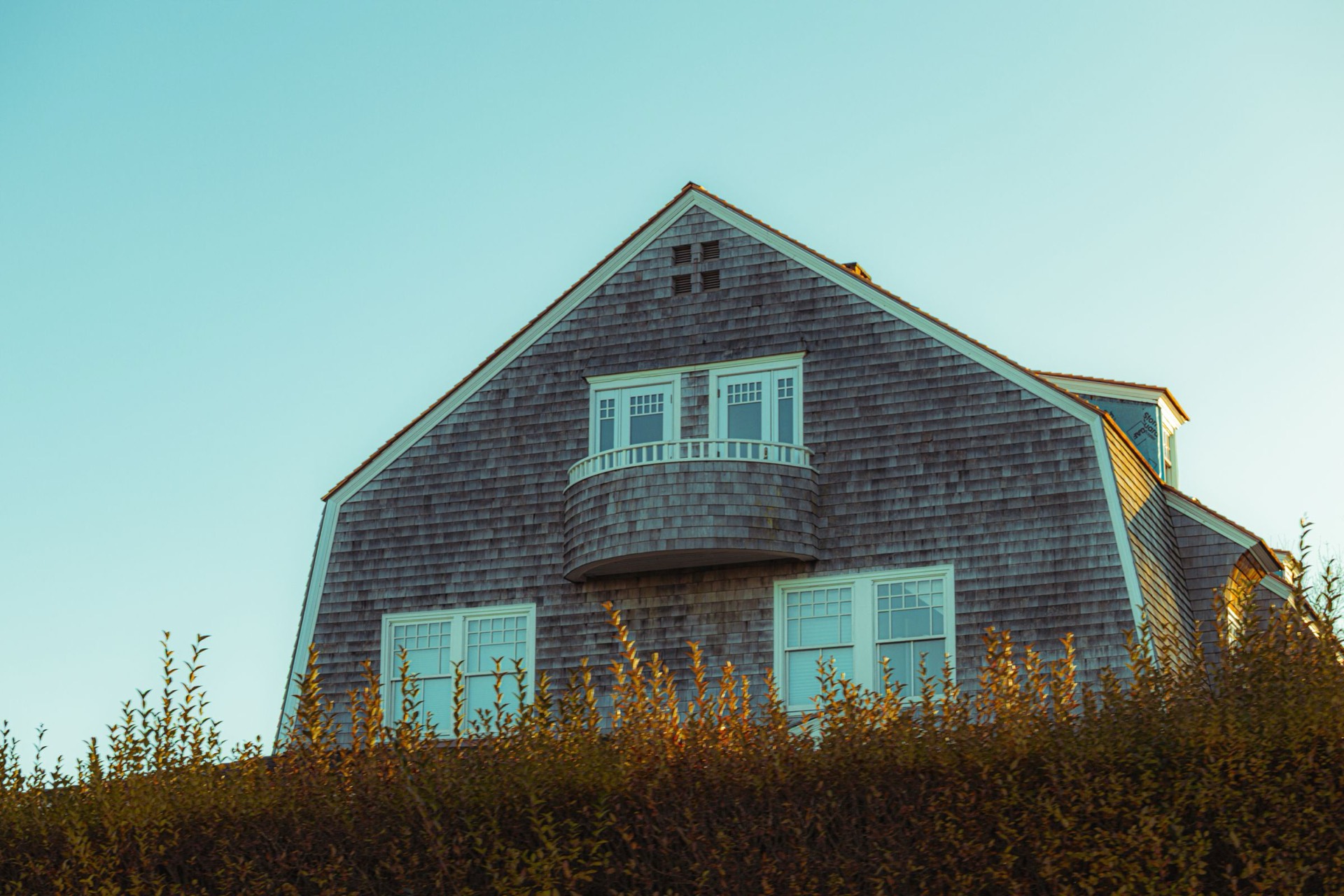
Stony Creek fieldstone laid in lime mortar with a wide joint. Lichen-stained granite for retaining walls and the base course. Lead-coated copper for valleys, scuppers, and standing seam. Restoration glass from Bendheim in the original sash. Unlacquered bronze from P. E. Guerin and E. R. Butler on every operable door. Carlisle wide-plank chestnut on the principal floors. Hand-troweled lime over a lime ground, mixed on site. Salernes terracotta on the mudroom floor. Henraux Calacatta on the principal bath. Verde Alpi where the kitchen island wants weight. Holland and Sherry wool on the library banquette. Belgian linen on the casement curtains. Every fixed material carries a workshop name in the spec book.
Carriage barns and outbuilding conversion
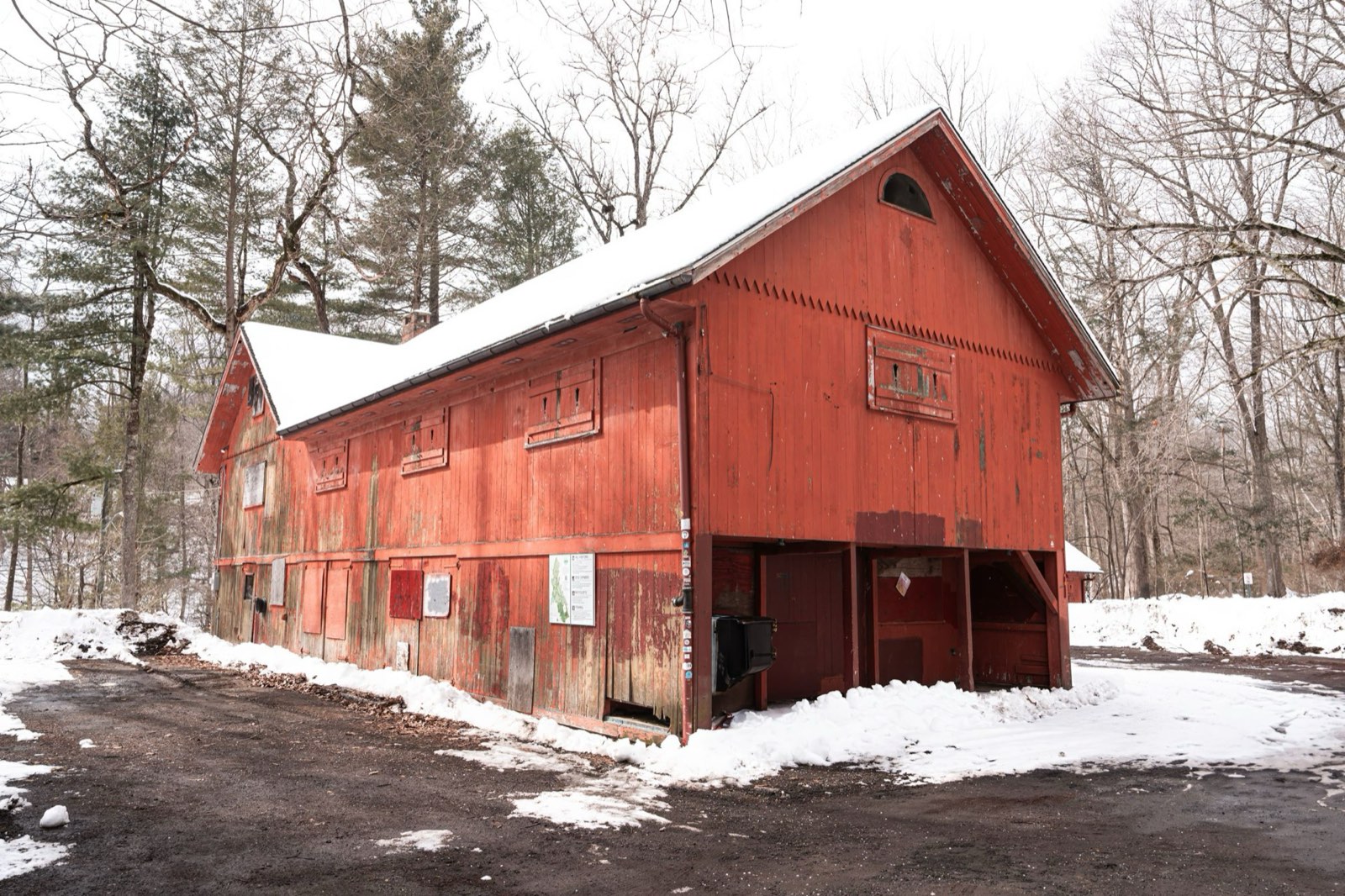
Most Litchfield County and Greenwich parcels arrive with a barn, a carriage house, a gatehouse, or a small Cape that someone built for staff in 1948. We treat these as the second house on the property, not as storage. A carriage barn becomes a guest wing with two bedrooms, a sitting room, and a small kitchen, with the original framing exposed and a new fieldstone hearth set into the gable end. A 1920s pool house gets stripped to the studs, relined in fumed oak, and given a single bronze-framed casement that opens the long axis. The work reads as if the family extended the property in 1965, not in 2026.
Equestrian planning in Salisbury, Sharon, Millbrook
North of Route 44 and across the New York line into Millbrook, the briefs include the horse. We plan stables for three to eight head, with a tack room in chestnut, a wash stall in honed bluestone, and a hayloft kept on its original timber. The riding arena is fitted into the topography rather than carved out of it. Paddock fencing is locust post and oak rail, oiled black. The main house, the manager's cottage, the stable, and the indoor arena are sited as one composition so the property reads as a working estate rather than a residence with a barn appended.
How a Connecticut engagement begins
We come up from New York or down from Litchfield for the first walk of the land and the house. We bring a tape, a moisture meter, and a notebook, and we listen for what the property is already telling its owner. After the first visit we send a written read of the building, a program proposal sized against the four-to-ten ladder above, and a short list of the workshops we would bring in. By month two we are usually drawing with the architect of record or, for restoration-led work, leading the design directly. Call Tom at 917.502.9236 to arrange the first walk.

Hill Rose, Litchfield County
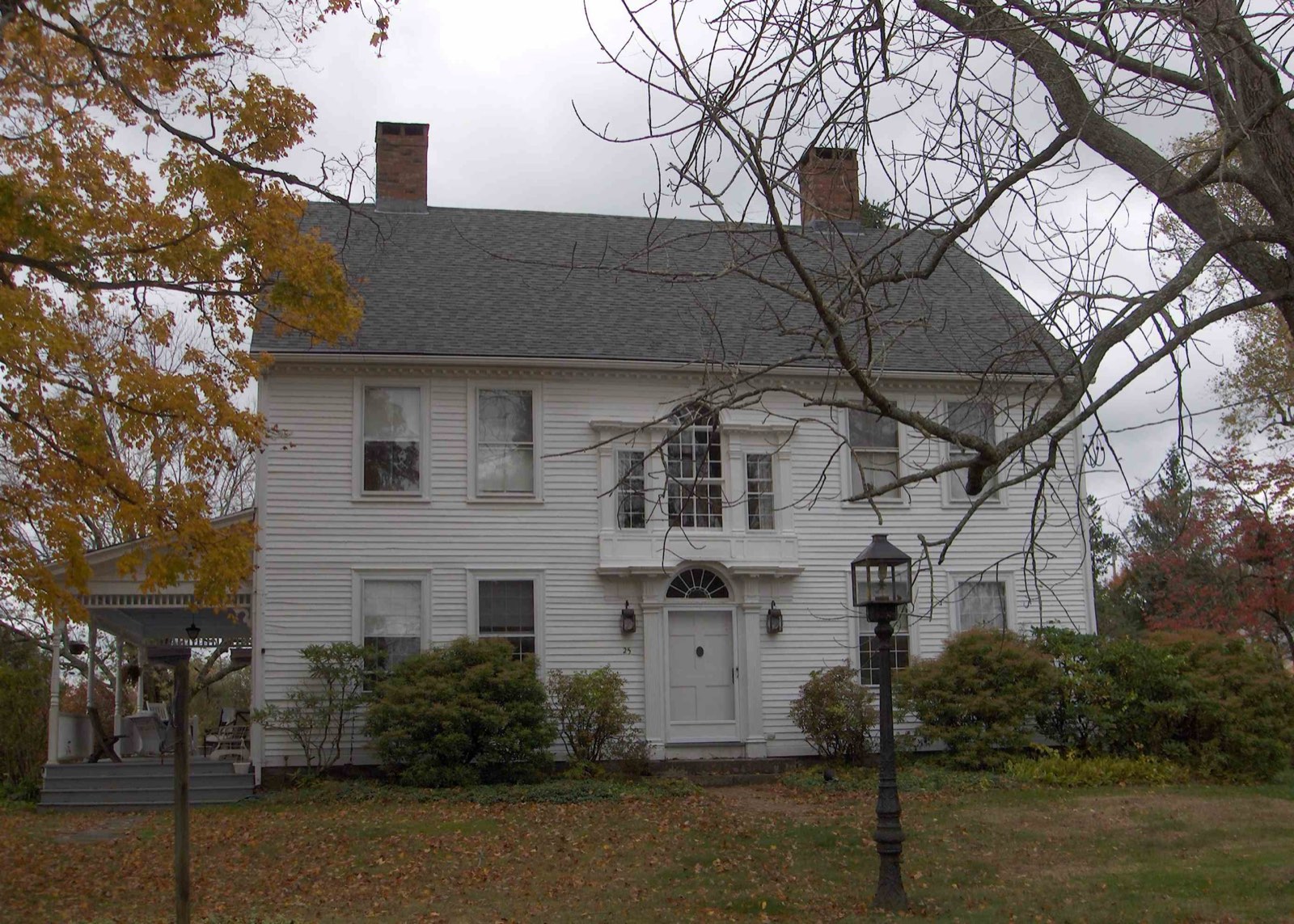
A Federal in Salisbury we restored beginning in 2017. Wide-board pine floors, three-coat lime on the principal rooms, a Sommerhuber kachelofen in the family room. The studio carries the retainer in its ninth season. The full project page is on the projects index.
Open ++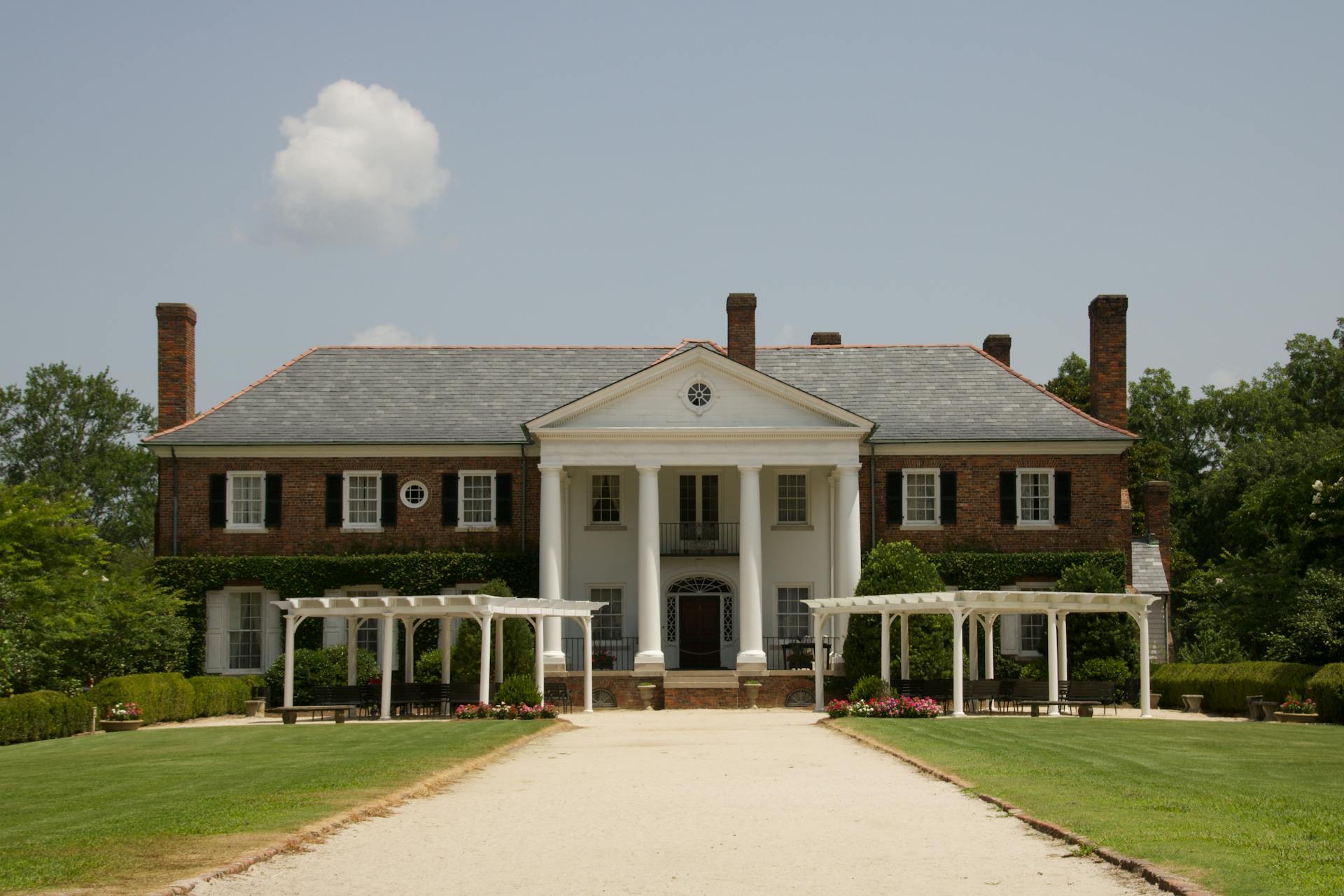
Weston Federal Colonial
A Federal in Weston restored beginning in 2019. Original boiserie repainted in five paints in five coats over an oil ground. Hull Forest Products on the new chestnut beams. Annual building report attached to the stewardship retainer. Full project page on the projects index.
Open ++
Greenwich back-country, Round Hill and Conyers Farm
The Round Hill and Conyers Farm parcels hold the houses we build new to read as inherited. A Shingle Style on a long lawn to a working pond, a Federal-scale new build on a south-facing ridge. Cedar shingle from Maine, chestnut beams from Connecticut, Henraux Statuario Altissimo on the formal bath.
Open ++
New Canaan and Darien, the post-Wadia generation
The post-Wadia generation of houses in New Canaan, Darien, and Greenwich back-country sit at the formal end of the Connecticut canon. We measure ourselves against Wadia Associates in New Canaan, Allan Greenberg, and the Stern office. The studio runs four projects between New Canaan and Greenwich now.
Open ++Connecticut Domesticity
The studio inspiration lane that holds the Connecticut work. Federal restraint, garden threshold, boot room before the foyer. Gil Schafer on the Hudson, Robert A.M. Stern in Greenwich, Allan Greenberg in Greenwich and Washington. The lane page carries the named canon and the working workshops.
Open ++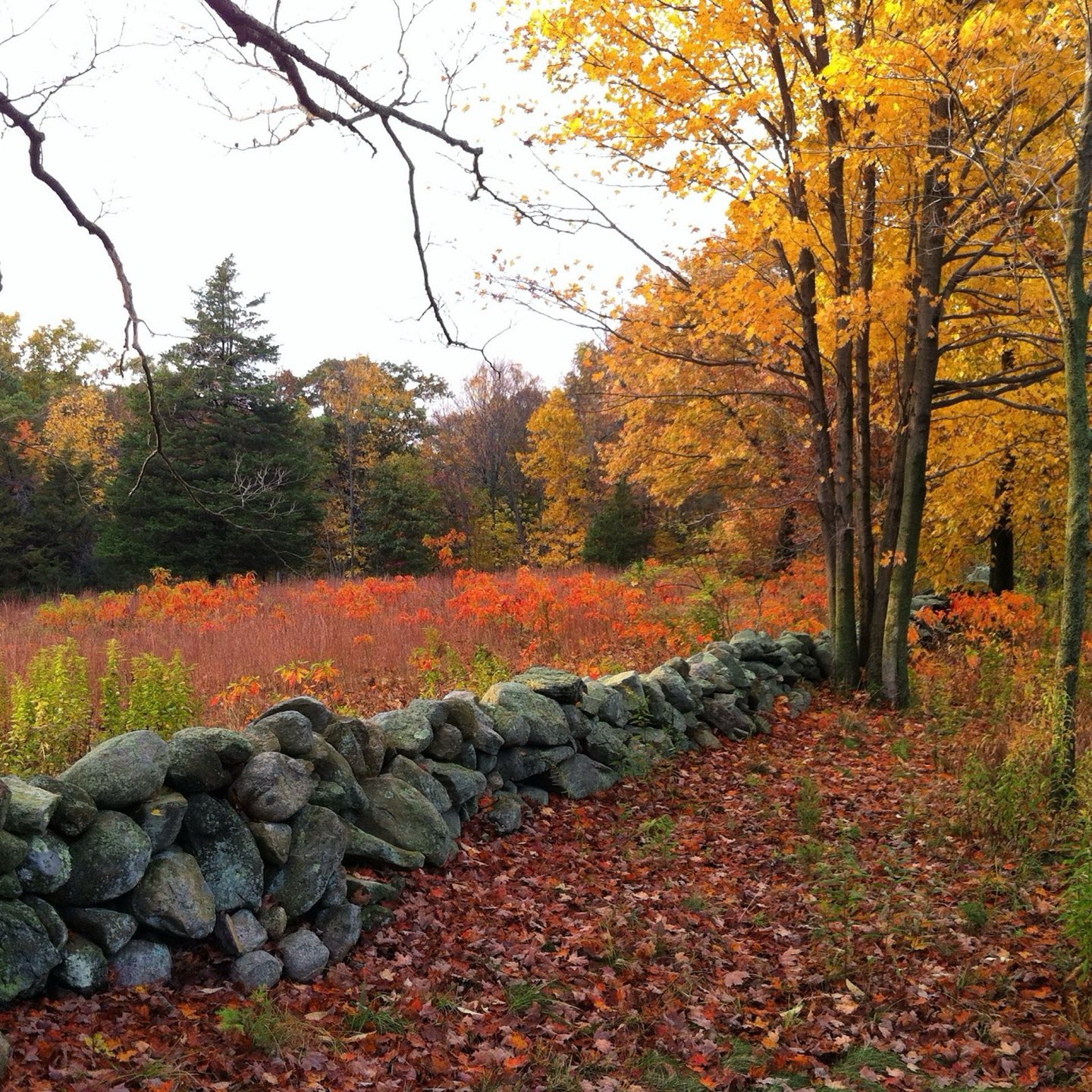
Sources and notes
Working towns
Greenwich, New Canaan, Westport, Darien, Ridgefield in lower Fairfield County. Salisbury, Sharon, Washington, Litchfield, Kent in Litchfield County. Cross-border work in Millbrook and Amenia across the New York line, and the lower Hudson Valley.
Named comparators we respect
Wadia Associates, G. P. Schafer Architect, Robert A. M. Stern Architects, Ferguson and Shamamian, Allan Greenberg, Haynes Roberts, S. R. Gambrel. We sit beside them on the classical envelope and add the alpine restoration craft they do not source domestically.
Workshops behind the spec
Sommerhuber for ceramic stoves. Bendheim for restoration glass. P. E. Guerin and E. R. Butler for unlacquered bronze. Carlisle for wide-plank chestnut. Henraux for Calacatta. Salernes for terracotta. Holland and Sherry, Pierre Frey, and Rubelli for textile.
Discuss a Connecticut project.
Send a brief or call the studio. We respond to every serious inquiry within two working days.