Chesa Studio/Method
Process
A measured sequence for houses we expect to outlive their first owners.
We work the same way on a Salisbury Federal, an Engadin chasa, a Greenwich Shingle Style, and a Lombard farmhouse. Listen to the building, edit hard, tie every fixed material to a named workshop before drawings harden, and leave the owner with a care plan they can actually use. The sequence below is what a commission looks like from the first site walk to the third winter. Call 917.502.9236 to begin a site reading.
1. Site reading and brief
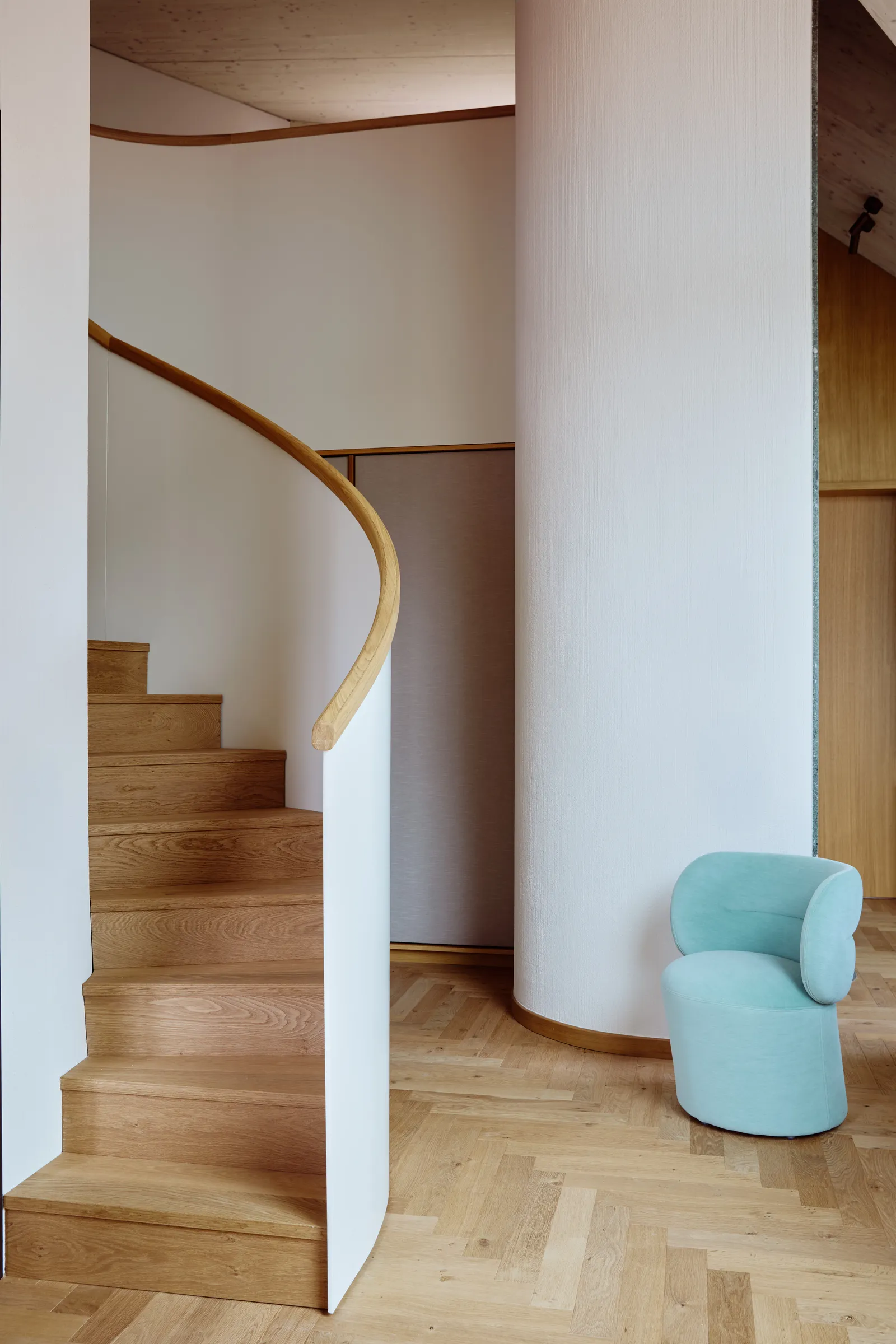
We walk the property in two seasons before we draw anything. We look at the approach, the prevailing weather, the way light moves across the principal rooms in winter, the existing landscape, the drainage, the load-bearing fabric, the previous interventions, the protected status if any, and the household the building will need to carry. On an Engadin restoration this means a long morning with the stube, the kachelofen, the sgraffito on the south façade, and the old cellars. On a new Litchfield County house this means standing on the hillside in February, finding the ridge line, and agreeing on what the family compound is for. We write the brief after the walk. Two seasons of evidence sits behind every line.
2. Historical and regional reading
We define, in writing, what is protected, what is repaired, what is clarified, and what is quietly reinterpreted. On a Cortina restoration we read the Tyrolean-Dolomitic carpentry tradition the valley carried out of its pre-1919 Tyrol years, and the post-war Veneto additions as separate hands, and we hold one and edit the other. On a new Greenwich house we read the local Shingle Style canon, the Wadia and Greenberg precedents, the fieldstone walls already on the property, and the way a Litchfield gable actually sits on a stone base. Nothing on this page is a style exercise. The regional reading is the rule the project will be held against for the next thirty years.
3. Material language
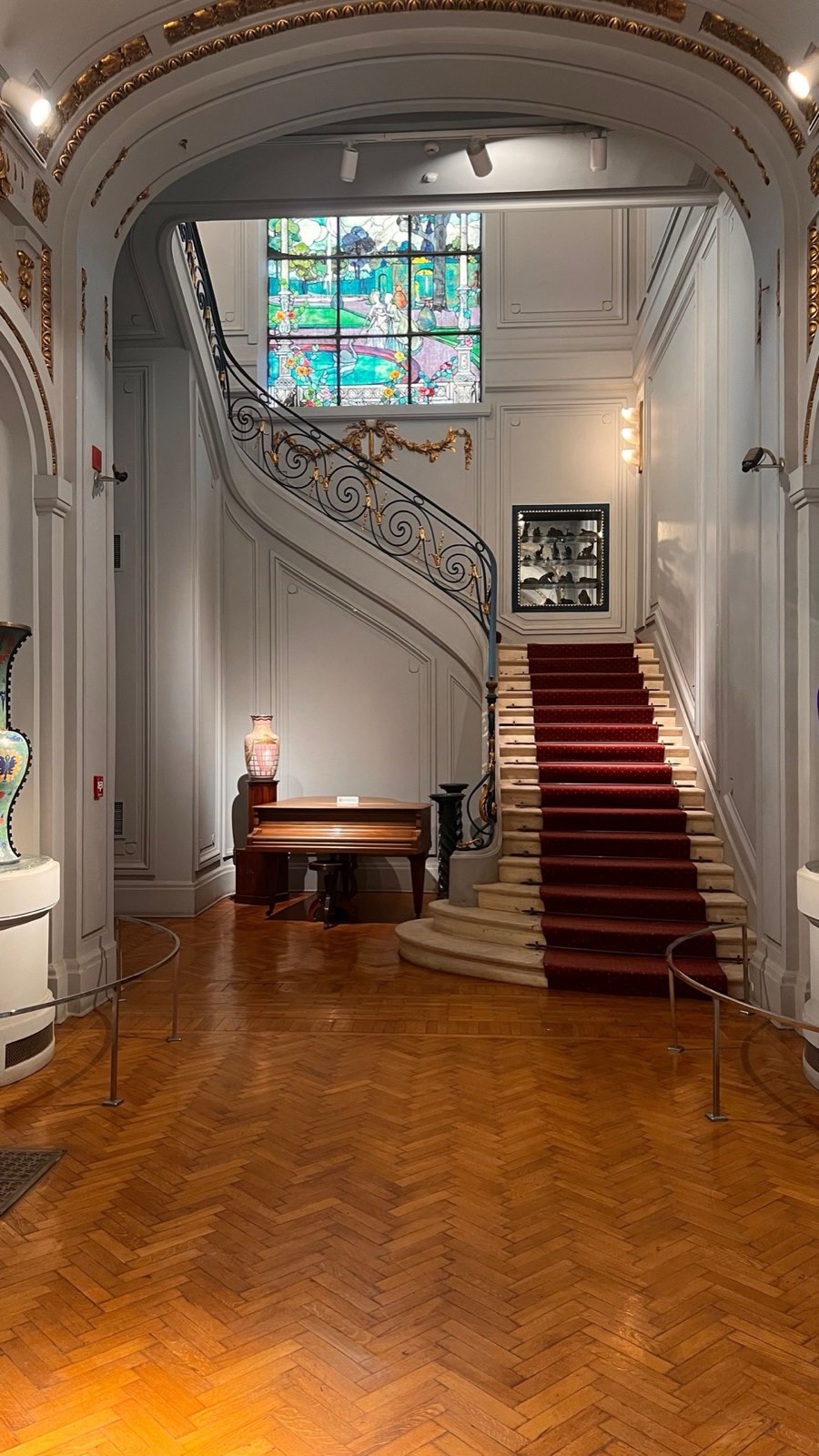
Lime, wood, stone, metals, ceramics, and textiles are specified as a single coherent field, not as a sequence of finish selections. A typical Connecticut new build runs hand-troweled lime over a lime ground in the principal rooms, fumed oak floors in the public sequence and reclaimed chestnut in the library, fieldstone laid in lime mortar at the hearth and the garden walls, unlacquered bronze hardware, Sommerhuber ceramic at the stove, Calacatta or Bardiglio at the kitchen, Belgian linen and Holland & Sherry wool in the soft work. We agree the palette as material color, not paint color. Larch silvering to pewter, bronze patinating to chestnut, lime warming to bone.
4. Workshop selection
Every fixed material is tied to a named maker before construction drawings harden. Salernes terracotta for the boot room floor, Henraux for the Calacatta, Sommerhuber for the ceramic stove, an Engadin sgraffito hand we have used for ten years on the façade work, a Litchfield mason who lays fieldstone in lime mortar the way his father did, a Vicenza foundry for the unlacquered bronze, a Como mill for the linens. The workshop is part of the design and it is named in the drawing set.
5. The longevity layer
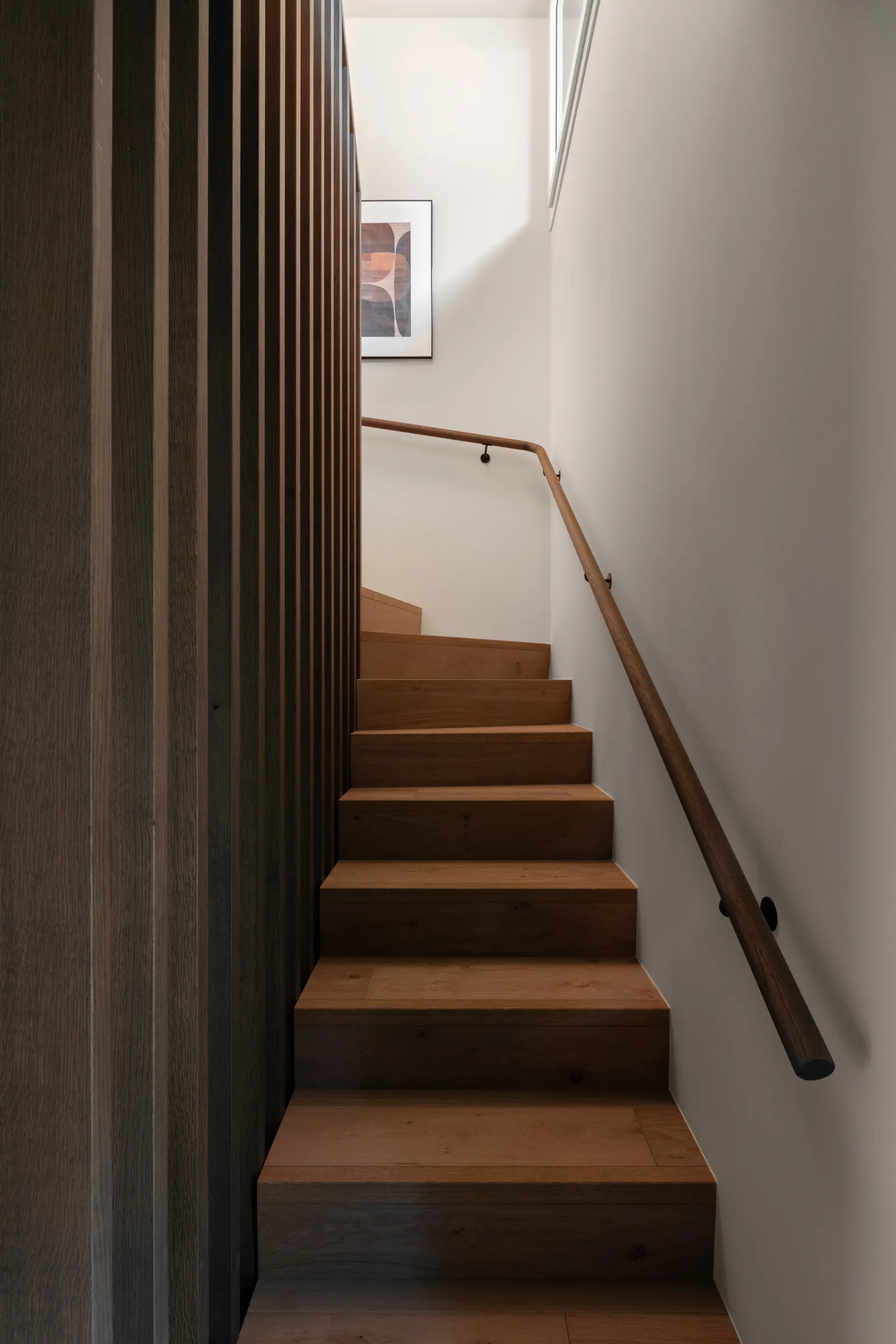
Before construction drawings harden we walk the plan as a health program: where first light lands, which rooms hold true dark, where the stove radiates, what the night noise floor will be, where cold water and heat sit in the garden. The wellness elements are fabric decisions, made at the same table as the structure, never bolted on after.
6. Interior sequence
Arrival, boot room, kitchen, hearth, primary suite, guest wing, staff circulation. The boot room sits before the foyer; in a Connecticut winter that is a working position, not a stylistic one. The kitchen splits in two: a working kitchen with the range, the prep, and the staff door, and a family kitchen with the table, the hearth corner, and the garden view. The hearth is the room, not a feature in the room. The primary suite reads as a small apartment with its own dressing, bath, and reading corner. The guest wing has its own stair where the plan allows it. Staff circulation is drawn first and is never an afterthought.
7. Construction coordination
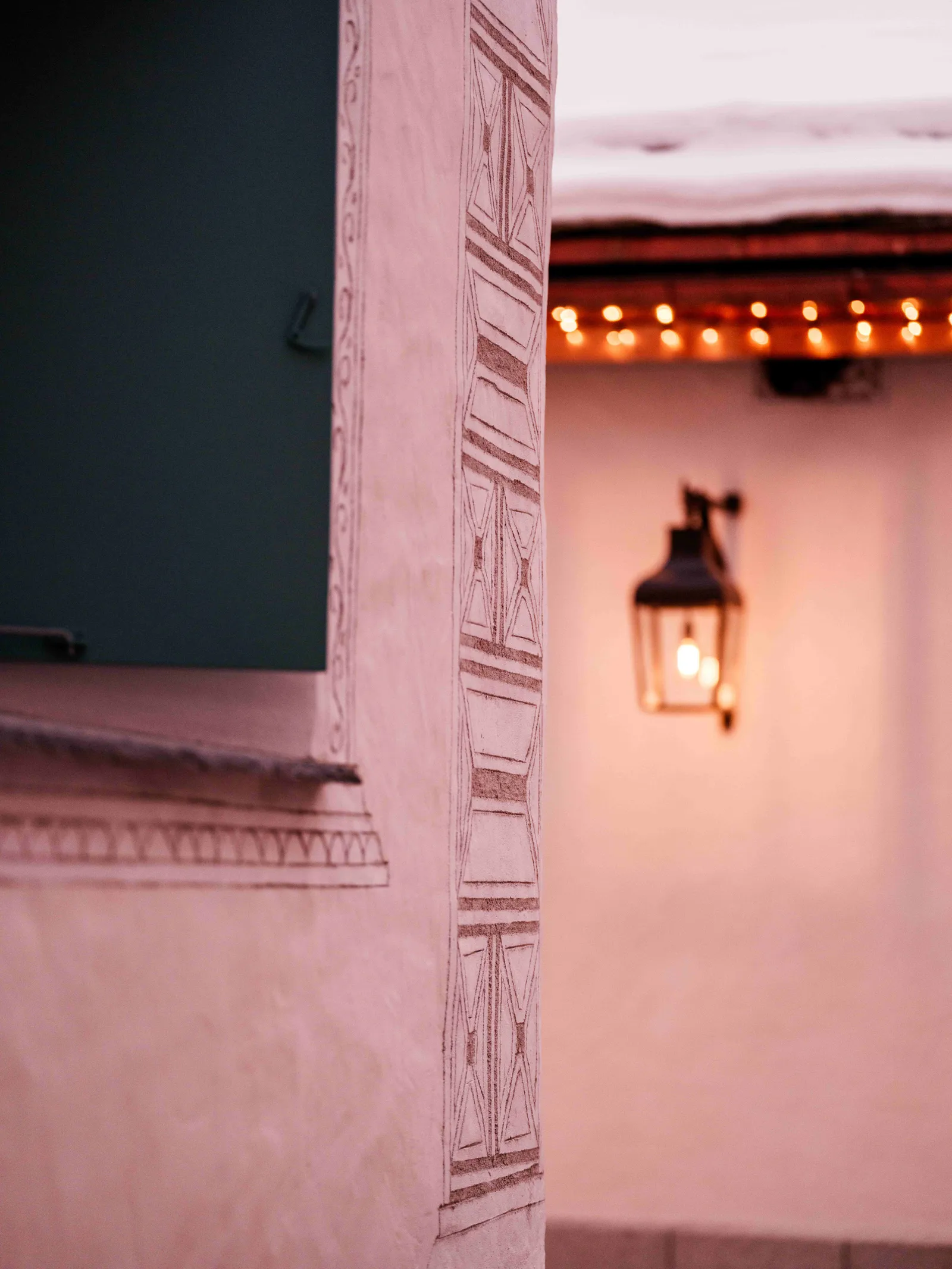
We sit between the architect of record, the builder, and the workshops through every phase. We hold the lime samples on the wall for a full season before signing them off. We mock up the fieldstone panel on the property before the mason starts the chimney. We watch the oak floor get fumed and waxed in the shop. We are on site for the kachelofen install and the bronze hardware fit. The drawings are tight, but craft work needs a hand in the room. This is where most projects in our bracket either hold their standard or quietly lose it.
8. Stewardship plan
Every house leaves our hands with a written care plan. Annual hand-rubbed wax on the fumed oak, a five-year lime touch-up schedule for the principal walls, a quarterly check on the unlacquered bronze, a winter and spring routine for the kachelofen, a maintenance log for the fieldstone pointing and the larch cladding as it silvers. We hold the relationships with the original workshops so the family or the estate manager can call them in year eight without rebuilding the network. The Festen line is our working ethic: listen to the building, edit hard, let the materials age with dignity.
Restoration + Stewardship
A Federal in Salisbury, a chasa above Zuoz, a Lombard farmhouse. We read the building, pull paint stratigraphy, lay a lime plan, and run a maintenance retainer after handover. Marmorino lime, Hull Forest chestnut, Sommerhuber on the kachelofen, P.E. Guerin on hardware. Annual building report attached to the project archive.
Open ++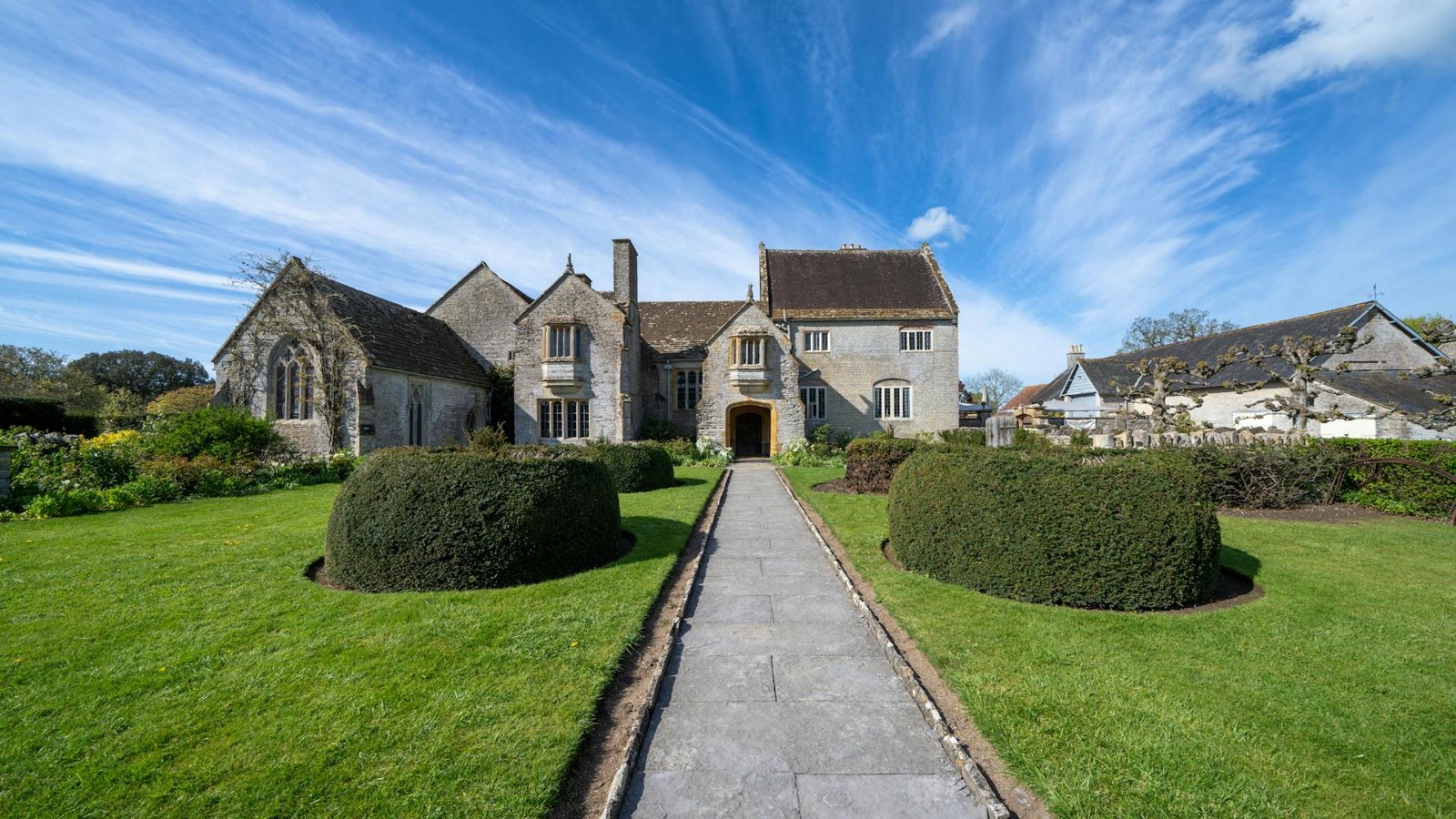
New Construction
A Connecticut country house that reads as inherited. Allan Greenberg and Gil Schafer as the working canon, Reschio as the field benchmark for fixed materials. The hearth, the kachelofen, and the first three meters drawn before any sofa is placed. Hull Forest, P.E. Guerin, Henraux Statuario Altissimo on the formal bath.
Open ++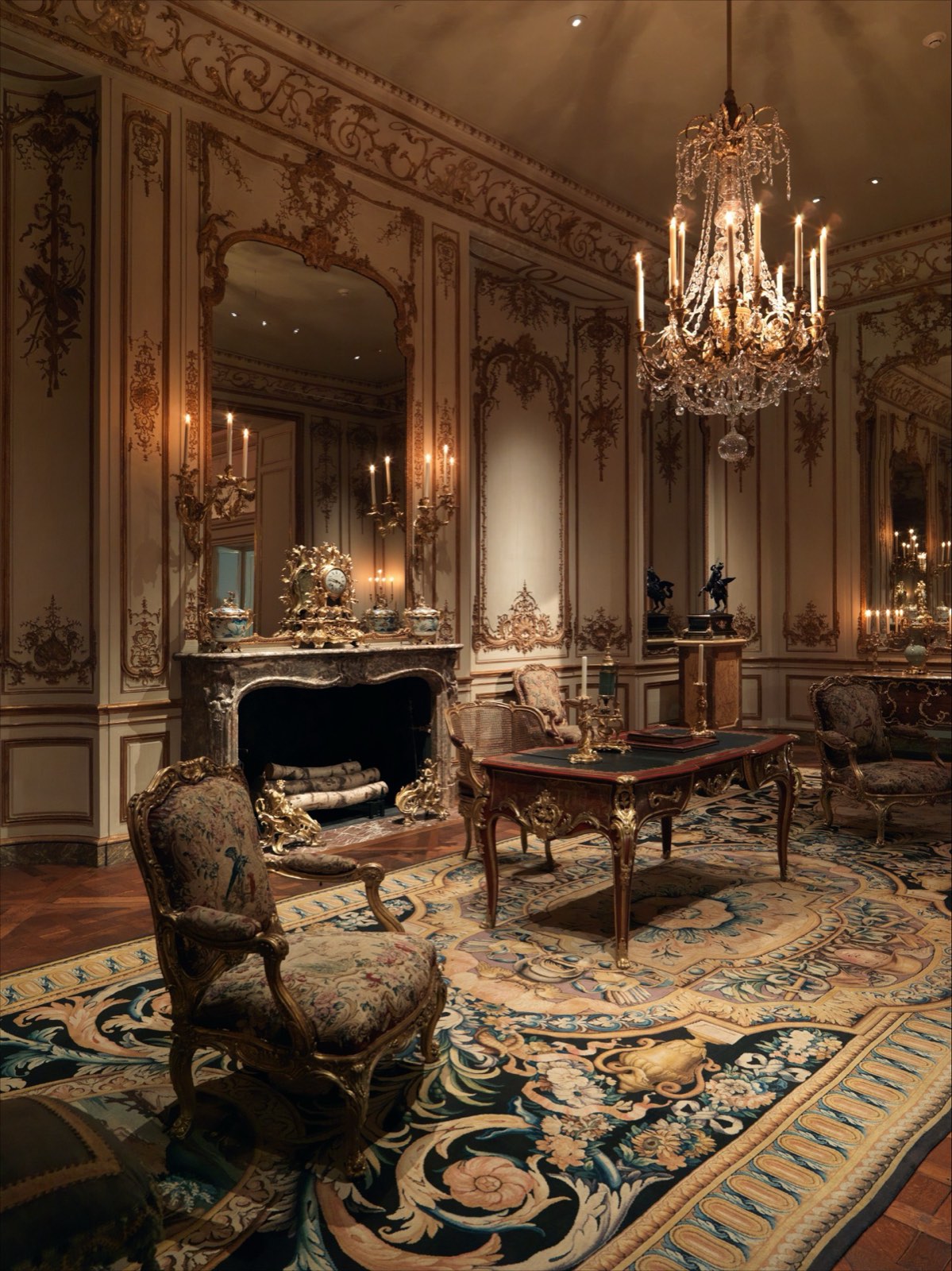
Curatorial Interiors
A room sized to the painting. Wall planning at the centerline of 1500 millimeters above finish floor. Climate vault at 18 to 21 degrees Celsius, 50 percent relative humidity. Conservator coordination from a New York Upper East Side practice. Pierre Frey, Rubelli, Holland and Sherry, one fabric per major room. Boiserie in lime-base paint over an oil ground.
Open ++Sources and notes
Working canon
Ruch in Zuoz, Festen at Hotel du Couvent, Peregalli in Lombardy, Yovanovitch in Provence, and the American country house tradition through Schafer, Stern, Wadia, and Greenberg. We work beside that canon and measure ourselves against it.
Working regions
The Engadin, the Italian lakes, Provence, Litchfield County, Greenwich, the Hudson Valley, and New York. One standard of craft across all of them.
Begin with a site reading.
Send a brief or call the studio. We respond to every serious inquiry within two working days.