Service/Restoration
Restoration and Stewardship
For the house you have just bought with bones. We read it before we touch it.
A serious restoration begins with a slow read. We measure the proportion of every room before we open a wall. We strip a paint chip in eight layers before we choose a color. We look at the stair rhythm, the thresholds in stone, the painted wood, the plaster, the iron, the social intelligence already present in the plan, and we decide what the building wants to keep being. Chesa Studio works on inherited houses, federal and shingle on the Connecticut side, chasas and chalets in the Engadin and the Dolomites, farmhouses in Lombardy and Provence. We carry the same restoration discipline across all of them, and we stay with the property after the contractors leave.
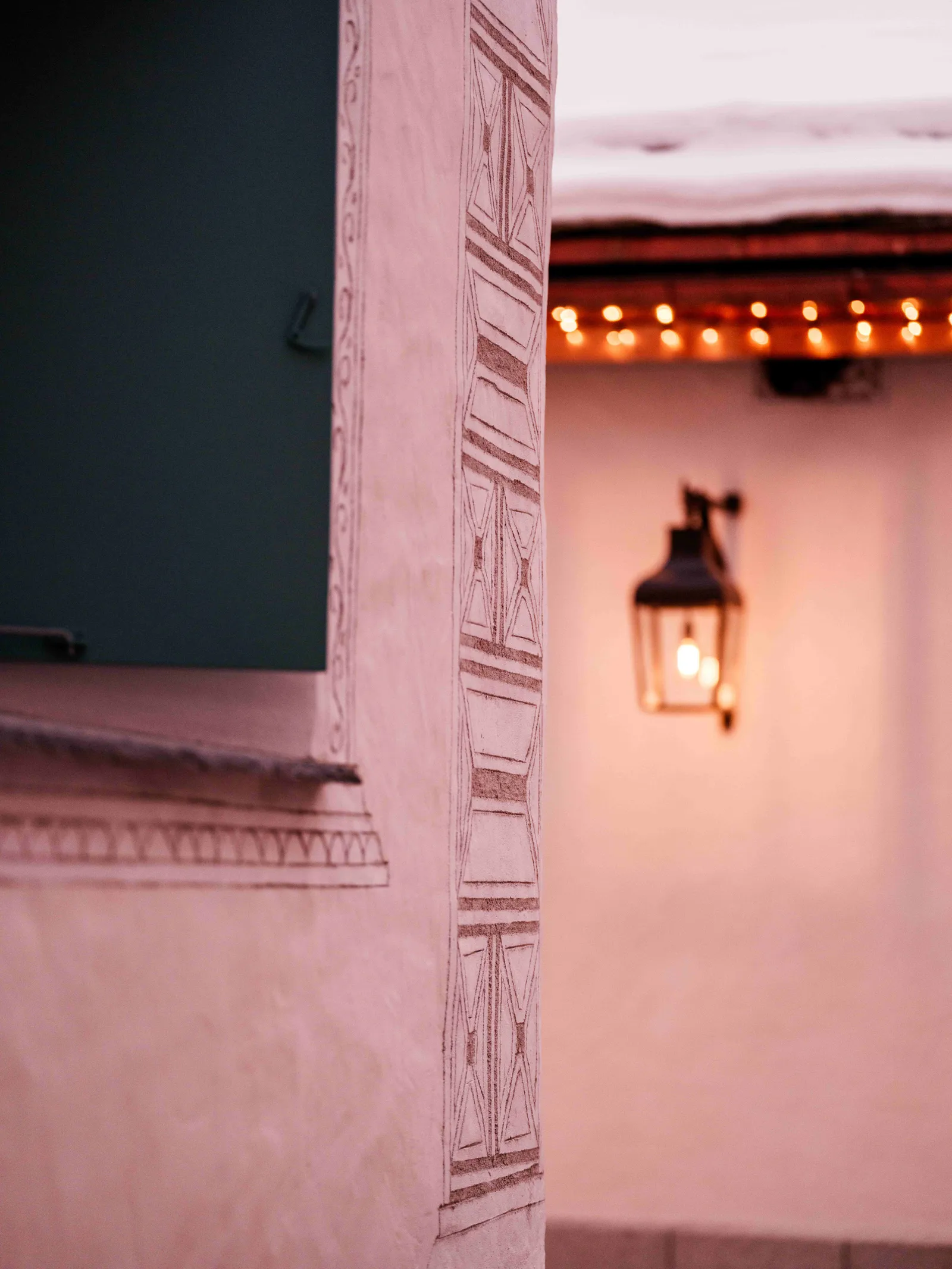
We read the building before we touch it
The first weeks on a property are quiet. We walk the rooms in early light, in winter light, with the heat on and with the heat off. We take a paint stratigraphy in the principal rooms and any room with original woodwork: an eight-layer cross-section under a microscope tells us when the boiserie was first painted, what the original ground was, and which of the later schemes are worth recovering. We map the original plan against what survives, mark the moved walls and the lost doors, photograph every piece of hardware, and inventory the glass. Only then do we propose what to keep, what to repair, what to clarify, and what to add. The first written deliverable is a conditions report and a hierarchy of work, not a mood board.
The discipline of the work
The trades are the language of the practice. Sash reglazing is done with restored cylinder glass where any original lights survive, set in linseed-oil putty, with new bronze weatherstrip cut into the parting bead so the window operates without rattle and without an aluminum profile in sight. Lime mortar joints are raked to a true depth and repointed in a hot-mixed quicklime mortar tinted to match the original ground; portland is removed wherever it has been used as a patch on a soft brick or a fieldstone wall. Plaster is repaired in three-coat lime over wood lath, never gypsum skim over old work. Original hardware is dismantled, the brass and bronze re-tinned where the plating is worn, the mortise locks rekeyed by a working locksmith rather than replaced. Painted wood is hand-sanded to the highest surviving original layer and brought back with linseed paint or hand-rubbed oil. Floors are lifted, the sleepers checked, and the boards laid back in their original sequence with cut nails. This is the work, and we describe it on the spec sheet the way a conservator would.
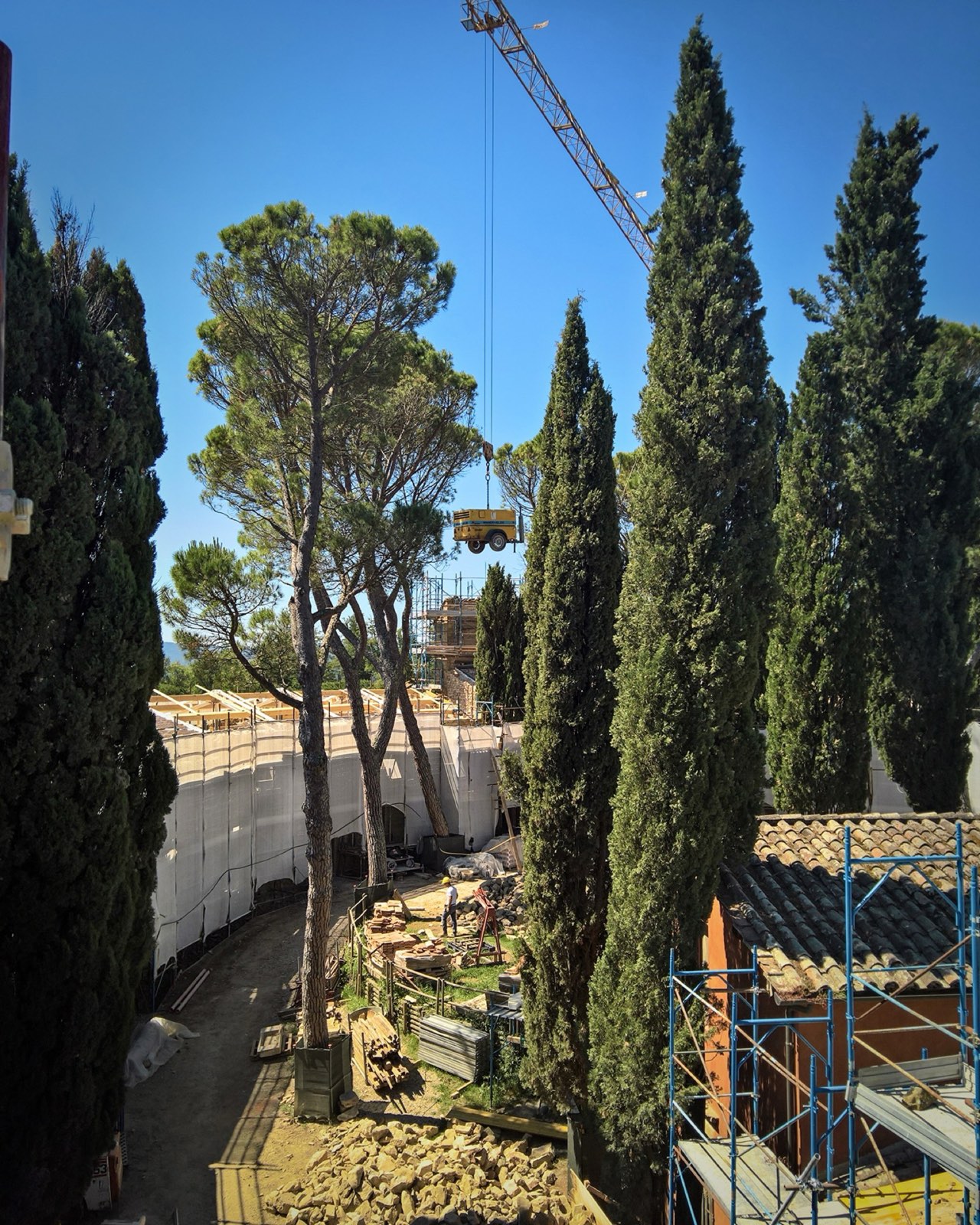
What we protect
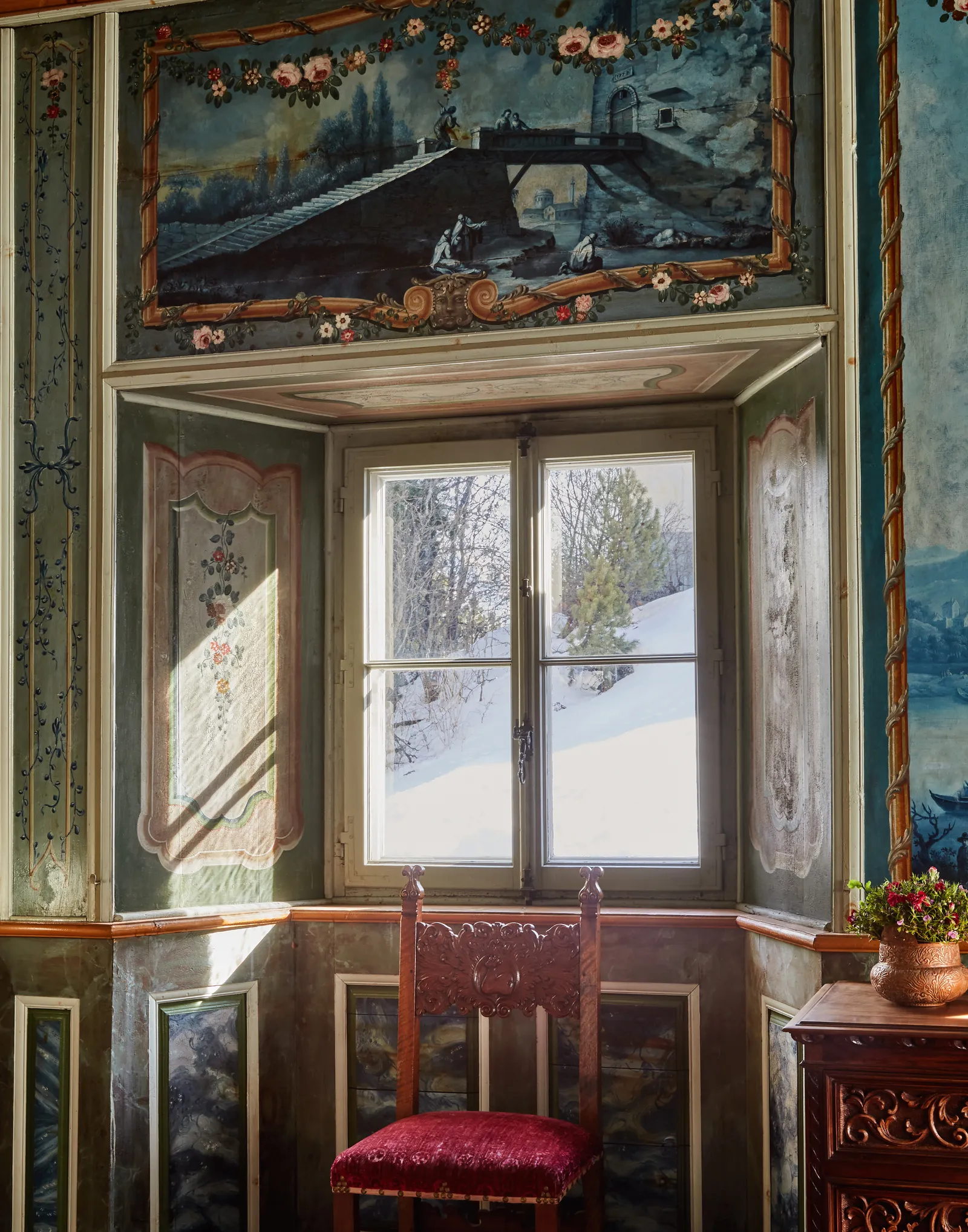
Proportion is the first protected fabric. Ceiling heights, window head heights, the relationship of door to wall, the run of a stair, the line of a baseboard. Painted wood comes next: original boiserie, painted plank doors, the early Federal mantels in a Salisbury house, the carved plank ceilings of a Bergeller chasa. Stone thresholds, hearths, sills, and worn step edges stay where they are; we do not relevel a stone that has been walked into the shape of three generations. Plaster with the original hand visible is preserved as evidence. Above all we protect the social intelligence of the plan: the boot room before the foyer, the back stair, the cold pantry, the porch off the kitchen, the small library that catches the western light. These are the rooms that make a house livable across a winter, and they almost always already exist.
What we clarify
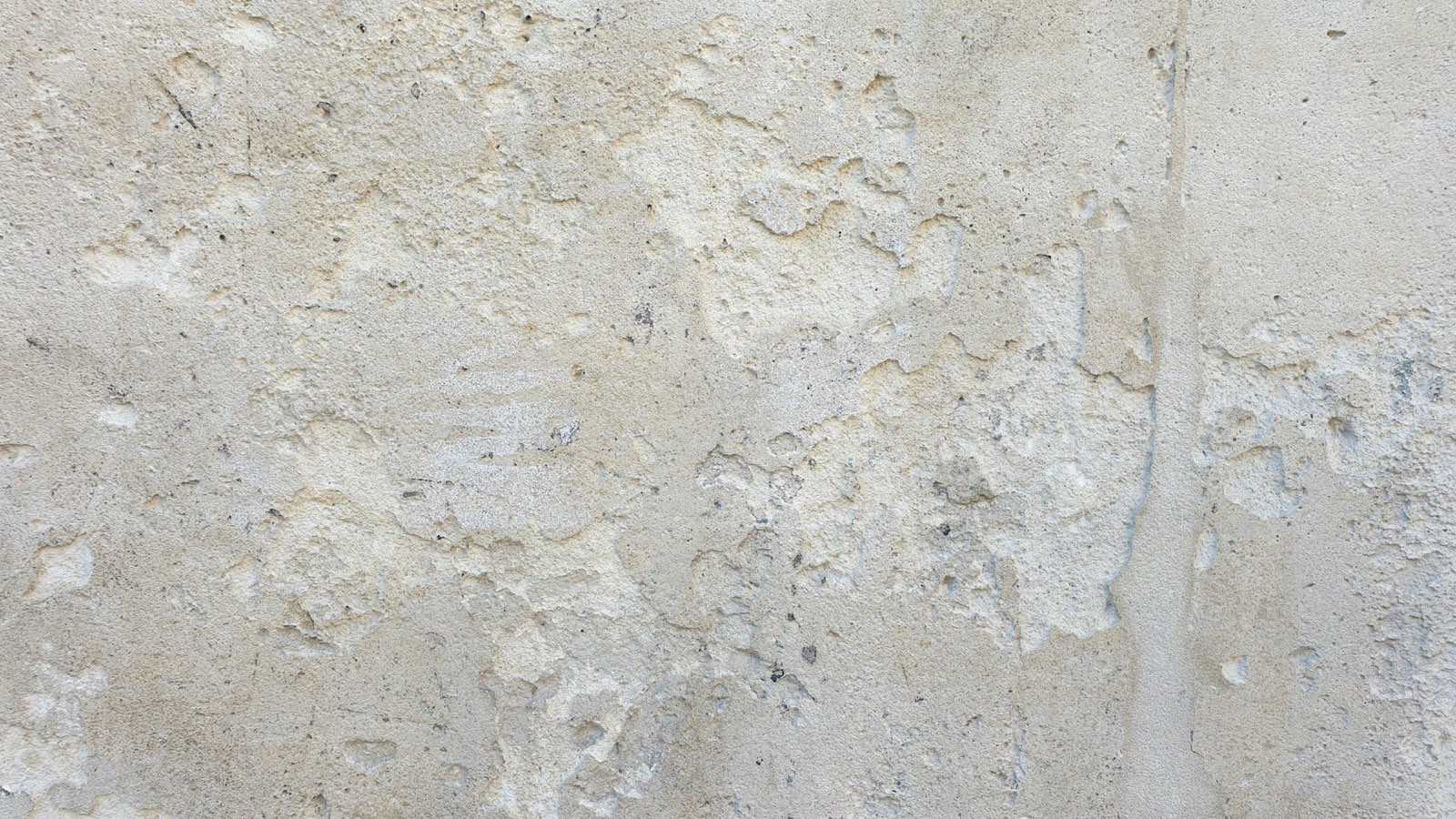
Most inherited houses arrive with a kitchen and a primary bath that were renovated in the 1980s or 1990s and never quite worked. We clarify those rooms first. The kitchen is rebuilt in two zones, a cooking room and a prep and storage room, with hand-troweled lime walls, unlacquered brass and bronze fittings, fumed oak or English brown oak cabinetry, a single slab of Bardiglio or Patagonia quartzite on the working counter, and a Lacanche or a La Cornue on a hearth that reads as a hearth. Baths are reworked with the original window kept, encaustic cement tile or marble laid in a pattern that belongs to the period, and a freestanding tub set so that it has a view of something outside. Circulation is opened where a Victorian or mid-century insertion has closed it, and closed where a 1990s renovation has flattened it. Mechanical systems are completely replaced and routed behind period grilles, in the cellar, in old chases, under stair runs, never on the face of a finished wall. The house should feel uninterrupted by its own infrastructure.
Sympathetic addition
A new wing on an inherited house should read its target century, not the year of the work. A guest wing on a 1790 Federal in Litchfield County is detailed as a 1790 ell: nine-over-nine sash, hand-planed clapboard, beaded corner boards, a chimney built in common bond brick. A wellness wing on an 1880 shingle house in Greenwich is detailed as an 1880 service ell with a wraparound porch and a slate roof. A new stable block on a Lombard farmhouse is detailed as a Lombard stable, in fieldstone laid in lime mortar with a clay tile roof and oak stall divisions. The addition is identifiable as new work to a trained eye, and invisible to the visiting eye. We work with named workshops for every fixed material: Sommerhuber for ceramic stoves, Henraux or Pibamarmi for stone, Salernes for terracotta, the Engadin sgraffito masters for any exterior incised work, and local Connecticut stone masons for fieldstone walls and dry stack.
Stewardship after the work
A restored house is a living object and it needs an annual read. We stay on as stewards for three to ten years after handover, with a written maintenance protocol for the lime work, the painted wood, the timber, the slate or copper roof, the windows, the stone, the planted approach, and the mechanical systems. We schedule the sash repaint cycle, the lime wash refresh, the chimney sweep, the boiler service, the well test, and the snow load review. We keep an archive of every paint formula, every fabric reference, every workshop contact, and every drawing, so that the next owner inherits a working file. The standard is set by a small canon: the Jenrette method of restoring the great American houses, the seven years Festen took to bring back Hotel du Couvent in Nice, the work Ruch has done on the chasas of Zuoz and Guarda, and the long restorations Peregalli has carried out on the country houses of Lombardy. We work beside that canon and measure ourselves against it. To begin a read, call 917.502.9236.
Sources and notes
The Jenrette method
Richard Hampton Jenrette's restoration of Edgewater, Roper House, Ayr Mount, and Cane Garden set a working standard for the American historic house: original paint colors recovered by stratigraphy, period furniture acquired patiently against the room, and a steward retained after the work so that no decision is ever final. Chesa applies the same protocol to Connecticut Federals, Hudson Valley villas, and Greenwich shingle houses.
Festen at Hotel du Couvent
The seven years Festen spent restoring the seventeenth-century convent in Old Nice into Hotel du Couvent is the contemporary reference for restraint at scale. Lime plaster repaired in place, original stone risers kept worn, monastic plan preserved, new mechanical systems routed through old chases. The pace is the point.
Ruch in Zuoz and Guarda
The Engadin chasas restored by Hans-Jorg Ruch, with original sgraffito kept, larch boards left silvered, ceramic stoves rebuilt in Sommerhuber tile, and new interventions detailed as their own century, are the working standard for Chesa's Alpine work.
Peregalli in Lombardy
Roberto Peregalli and Laura Sartori Rimini in their country houses on Lake Como and across Lombardy have shown what a restoration looks like when the new work disappears: lime washed walls, scagliola, encaustic cement, hand-rubbed wax, and rooms that read as if no one has touched them in a hundred years. Chesa carries the same standard into Connecticut country work.
Begin a restoration read.
Send a brief or call the studio. We respond to every serious inquiry within two working days.