Service/New Build
New Construction
Country houses in Connecticut, built to read as inherited by the second winter.
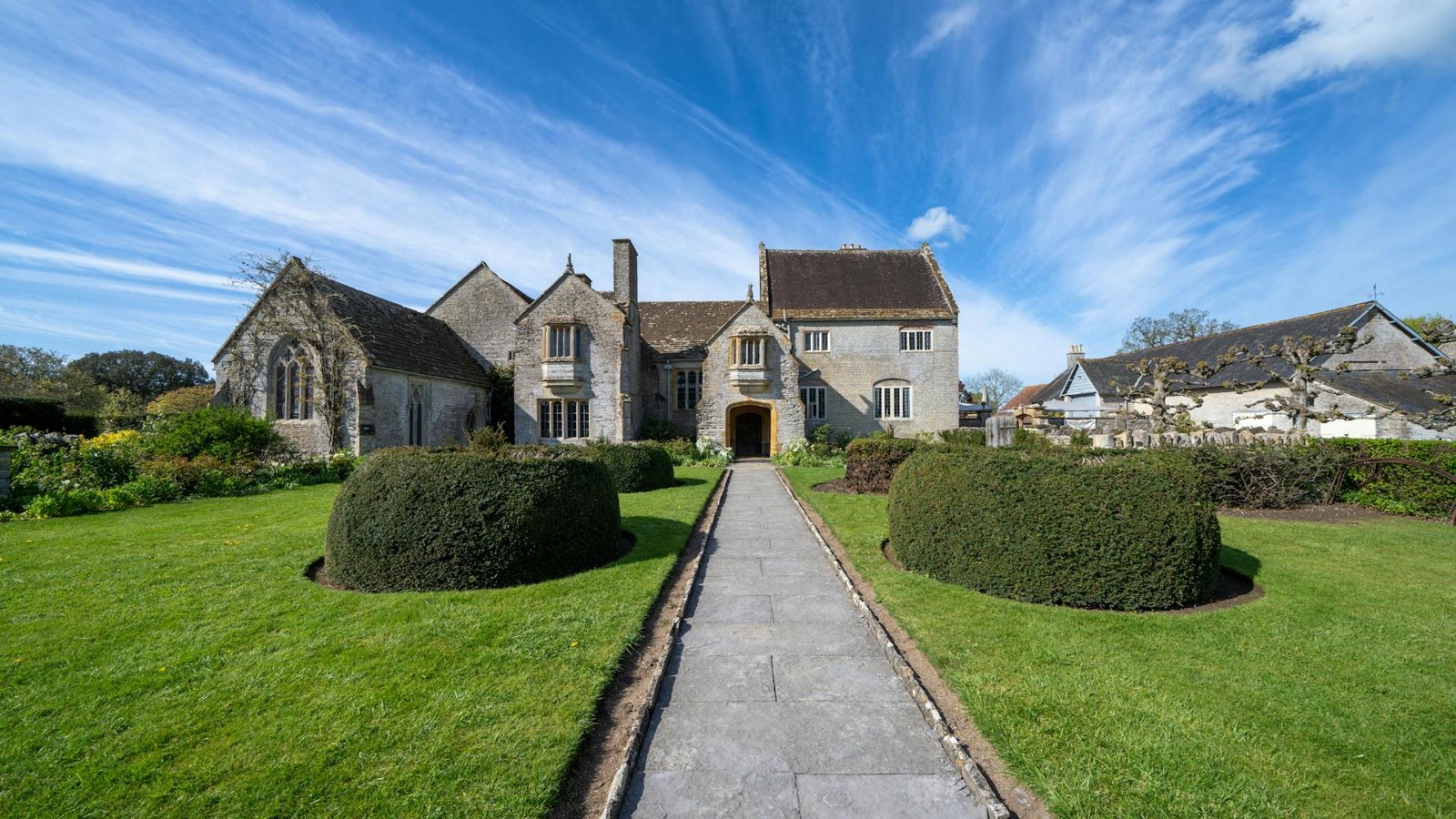
A new house can be built to age forward. We build country houses in Connecticut the way an Engadin chasa is built in Guarda or a Lombard farmhouse is restored in Brianza: hand-troweled lime over a lime ground, fumed oak floors laid in long planks, reclaimed chestnut beams pegged and dropped, fieldstone walls set in lime mortar by a mason who has worked the same hills for thirty years, unlacquered bronze that will go to chestnut over a decade, a kachelofen sized to the room it heats. Every fixed material has a workshop name behind it. By the second winter, the lime has warmed to bone, the oak has settled, the bronze has dropped its first patina, and the house carries the quiet weight of a building that has been there longer than its owners. This is what a Greenwich, New Canaan, or Salisbury buyer is usually trying to find when they call Wadia, Schafer, or Stern. We share the canon. We build to the same standard. The difference is the spec sheet behind the wall.
The working argument
Most new houses in Litchfield County and Fairfield County read new because the spec reads new: gypsum board over steel studs, prefinished engineered flooring, factory-cast stone veneer on a foam backer, a fireplace surround glued up from slab offcuts. We build a different sentence. Three-coat lime plaster over a clay-and-lime base, troweled by hand and burnished while damp. Solid fumed European oak in long planks over sleepers, finished with hand-rubbed wax. Reclaimed chestnut beams from barns we have sourced and inventoried. Fieldstone gathered within twenty miles of the site, laid in lime mortar with raked joints. A masonry hearth set deep into a stone chimney that carries to the ridge. The house weighs more, holds heat differently, and ages the way a house should age.
Named workshops on every fixed material
We do not specify by catalog number. The lime comes from a single producer we have worked with for years, mixed on site over a lime ground. Marbles are blocked at the quarry: Henraux for Calacatta, Furrer for Bardiglio, the Verde Alpi cut at the source above Aosta, Patagonia quartzite slabs hand-selected before they leave the bookmatch table. Ceramic stoves are built by a Sommerhuber-trained kachelofenbauer in tile fired to our color. Hardware is forged in unlacquered bronze by a single smith outside Florence and finished here. Stair treads, thresholds, hearths, and sills are cut by a stone yard in the Berkshires that has dressed brownstone for a hundred and forty years. Boiserie and joinery is built in our own shop with French oak parquet de Versailles and English brown oak panels. Every fixed surface in the house can be named back to a person.
The Reschio model, brought to a Connecticut hillside
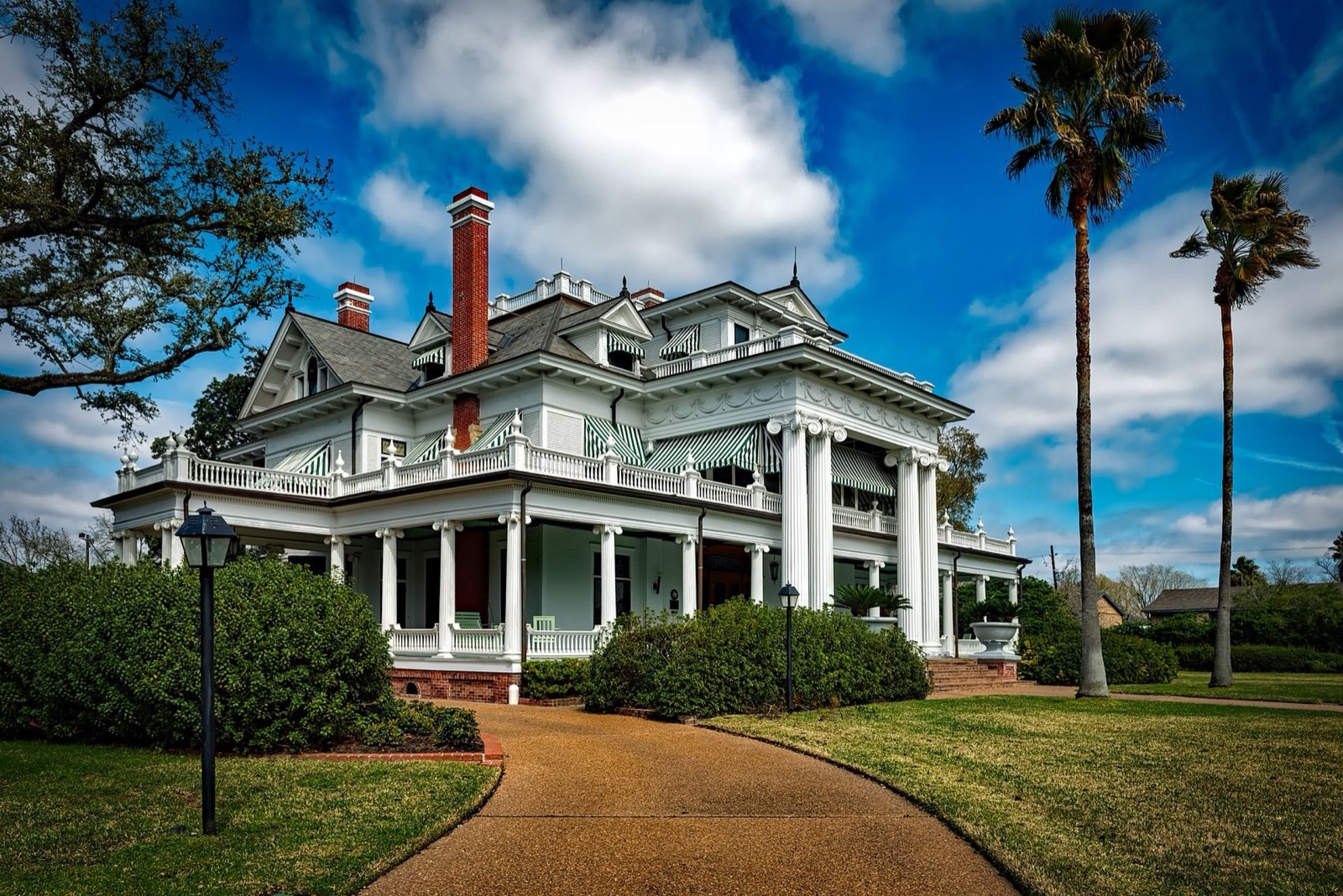
We work the way Castello di Reschio works in Umbria, scaled down. A standing crew of trades we have used for years, called back to each Chesa job: the same framing carpenters, the same joinery shop, the same lead plasterer, the same fieldstone mason out of Litchfield, the same bronze finisher outside Florence. The trades are not on payroll, but they are not new to a Chesa drawing either. The framing carpenter who scribes a reclaimed chestnut beam to a fieldstone wall is not learning that skill on your job. We have run that detail twenty times. The plasterer who burnishes the lime in the dining room burnished the same wall in the last project. That continuity is the difference between a house that looks old and a house that is built old.
The wellness wing
Most of our new-build clients now ask for it before we raise it: an east breakfast bay for first light, arve-paneled sleep rooms with true dark, a quartzite wet room, and the garden door to a cedar sauna hut and a spring-fed plunge. The Hudson Valley resort market is building the same program around a Swiss clinic and selling villas beside it. We build it into the house, from the same valley the science comes from. See the Wellness and Longevity service page for the full vocabulary.
Plan moves we hold as positions
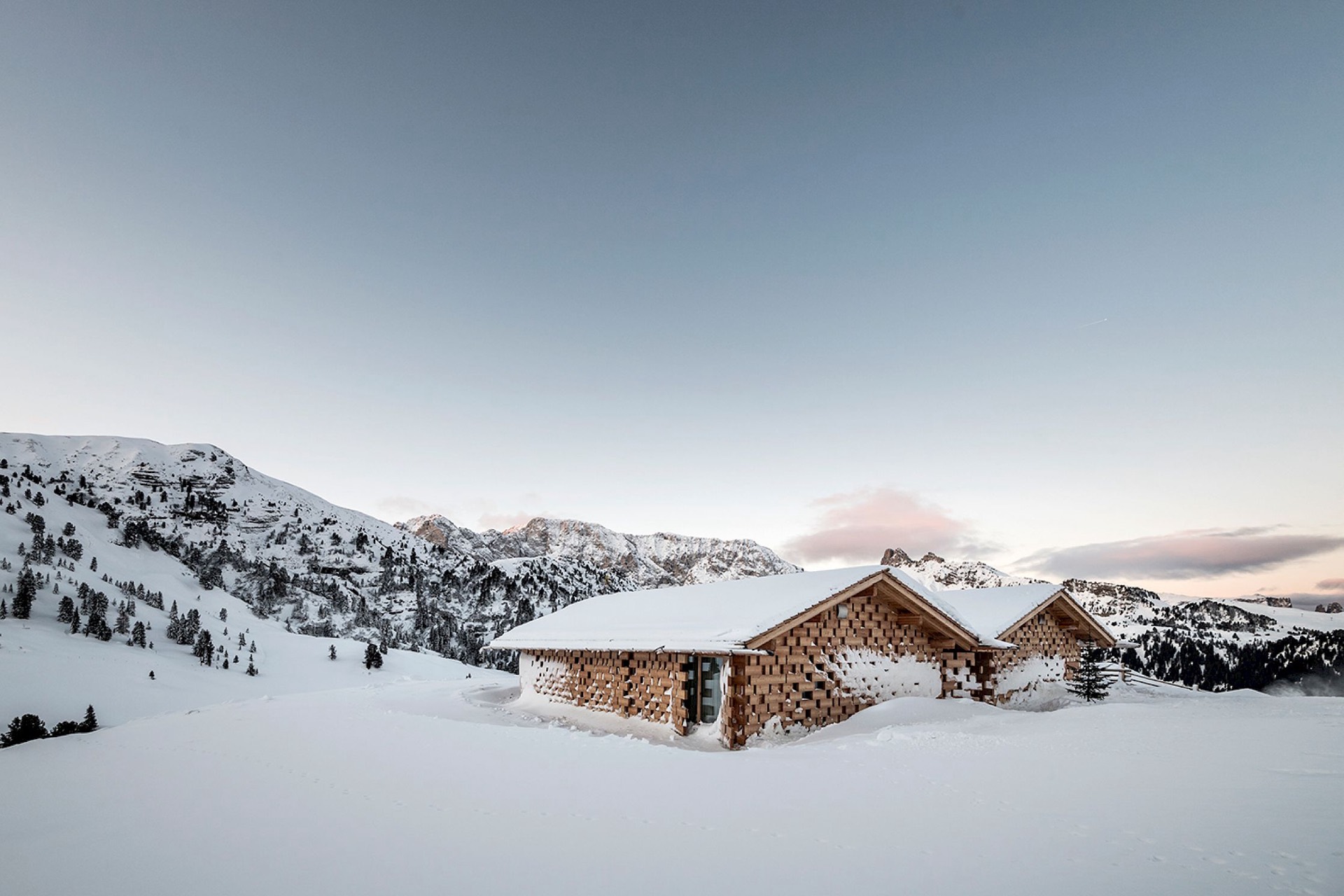
The hearth is the room. A working fireplace, masonry deep, with a stone hood and an oak mantel scaled to the chimney mass, is the gravity of the main floor. The boot room sits before the foyer, not off it, because a family of five returning from the barn or the lake should not cross polished oak in wet boots. The kitchen splits in two: a working scullery with the sinks, the dish stacks, the second oven, the cold room door, and a front kitchen with the marble island, the range, the breakfast banquette. The staff wing has its own stair and its own door to the drive, so the house can be run without a housekeeper crossing the family floor. The wine room is sized to a real bottle count against a fieldstone wall set into the grade, held at fifty-five degrees and sixty-five percent humidity by a glycol coil, not a packaged unit. None of these moves are options on the menu. They are how we build.
Cost honesty
This is a slower route. Hand-troweled lime takes three coats and cures in stages. Reclaimed chestnut has to be sourced, dried, milled, and graded before it gets near a frame. Fieldstone laid in lime mortar by a real mason runs at a quarter of the linear footage per day of veneer over wire lath. Bronze hardware made by a single smith ships when it ships. A new house built this way in Litchfield County runs in the four to ten million range for the work, on top of the land, with a construction calendar that runs two to three years for a six-thousand-foot principal house once design and permitting are complete, three to five years door to door. We are honest about that on the first call. The reason to take this route is that the house will be standing, in good repair, and gaining value through patina and pedigree, when the buyer's grandchildren decide whether to keep it. That is the math.
Where we build
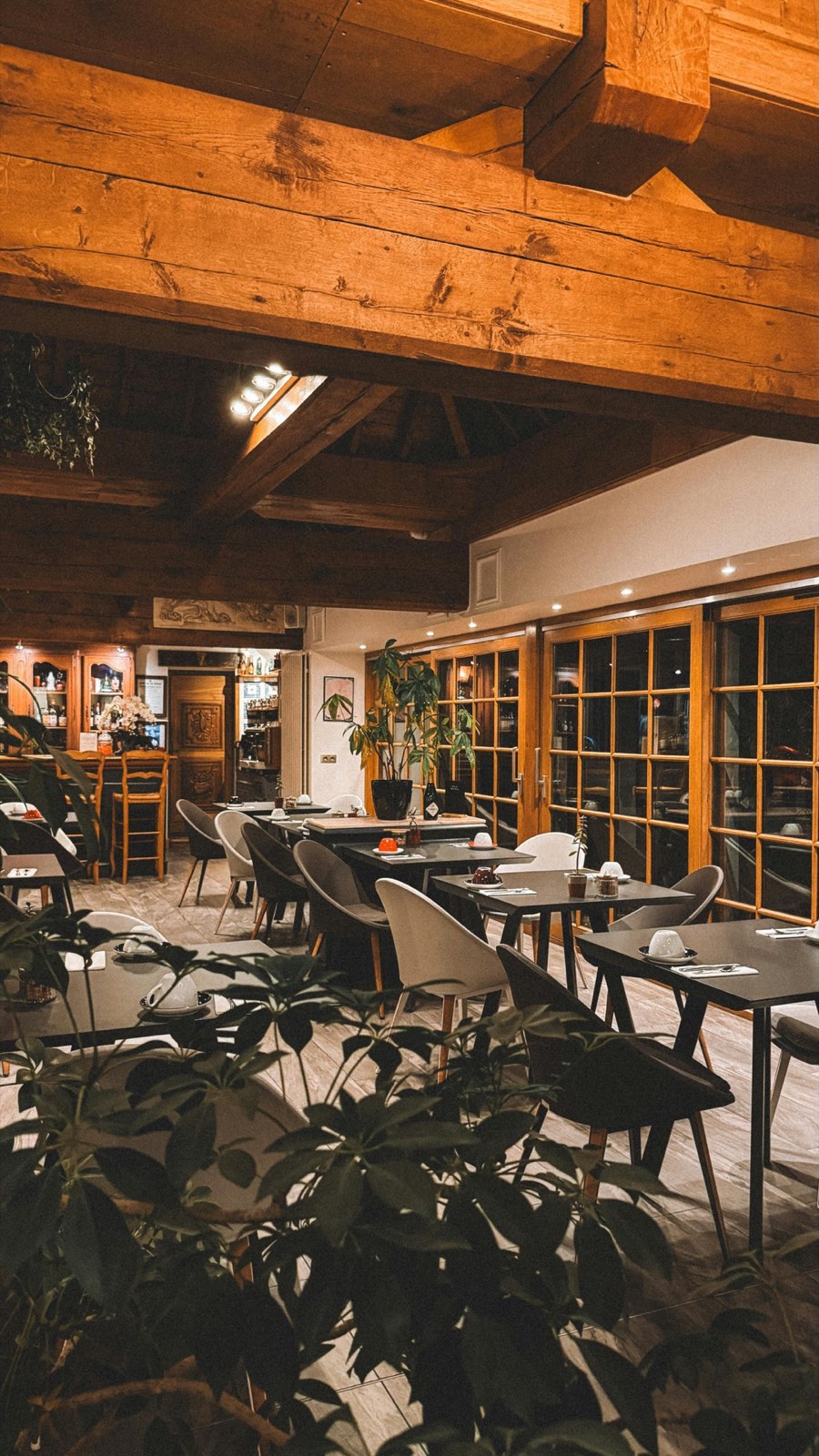
Greenwich back-country, New Canaan, Darien, Westport, Ridgefield, Wilton, Roxbury, Washington, Sharon, Salisbury, Lakeville, Litchfield, Cornwall, and the Hudson Valley around Millbrook and Rhinebeck. We also carry projects in the Engadin around Zuoz, Guarda, and Samedan, in Provence around the Luberon, and on the Italian lakes. The same crews, the same spec, the same standard, whether the house is a Greenwich Shingle Style on twelve acres or a stone barn conversion above Como.
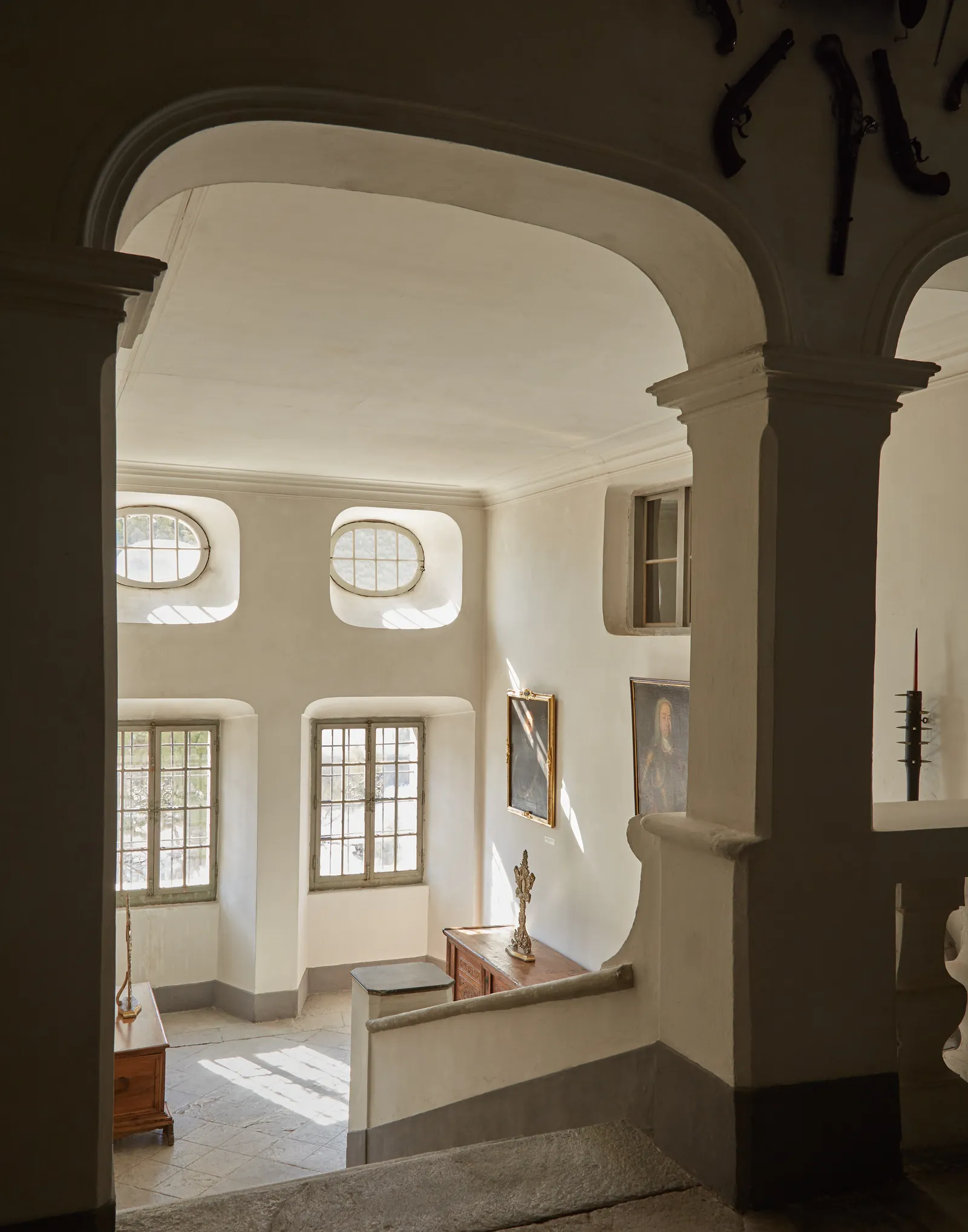
Spec sheet
Three-coat lime plaster, fumed European oak in long planks, reclaimed American chestnut, fieldstone in lime mortar, Henraux Calacatta, Verde Alpi, Patagonia quartzite, Sommerhuber-trained ceramic stoves, unlacquered bronze hardware forged outside Florence, hand-rubbed wax and oil finishes, Italian and Belgian linen, Loro Piana cashmere wool, Holland and Sherry wool.
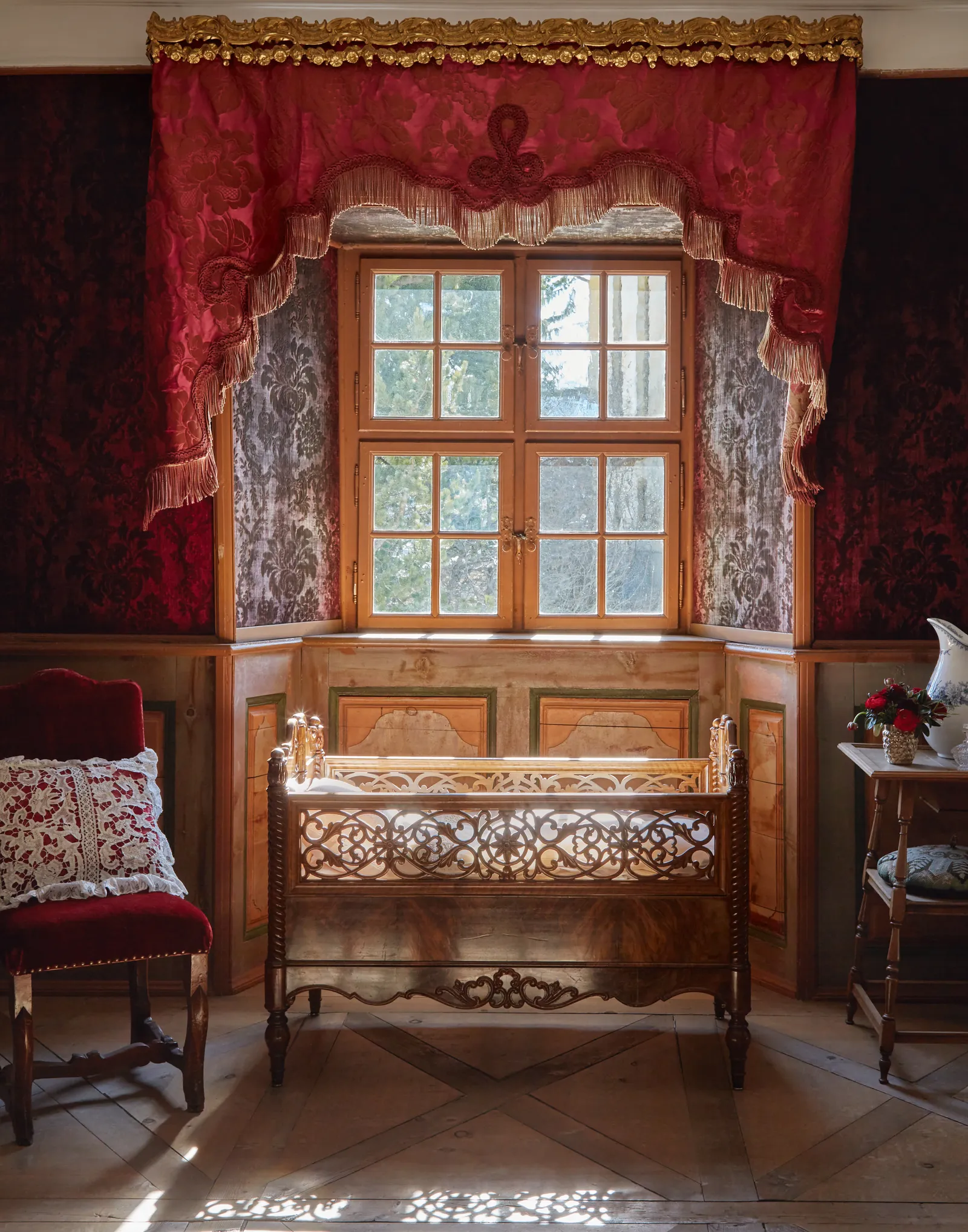
Trade list
Our own framing carpenters, our own joinery shop, a single lead plasterer, one mason for fieldstone and one for cut stone, a kachelofenbauer for ceramic stoves, a bronze finisher, a marble yard at the quarry, a salvage yard for chestnut and oak beams, and a glazier who still leads windows by hand.
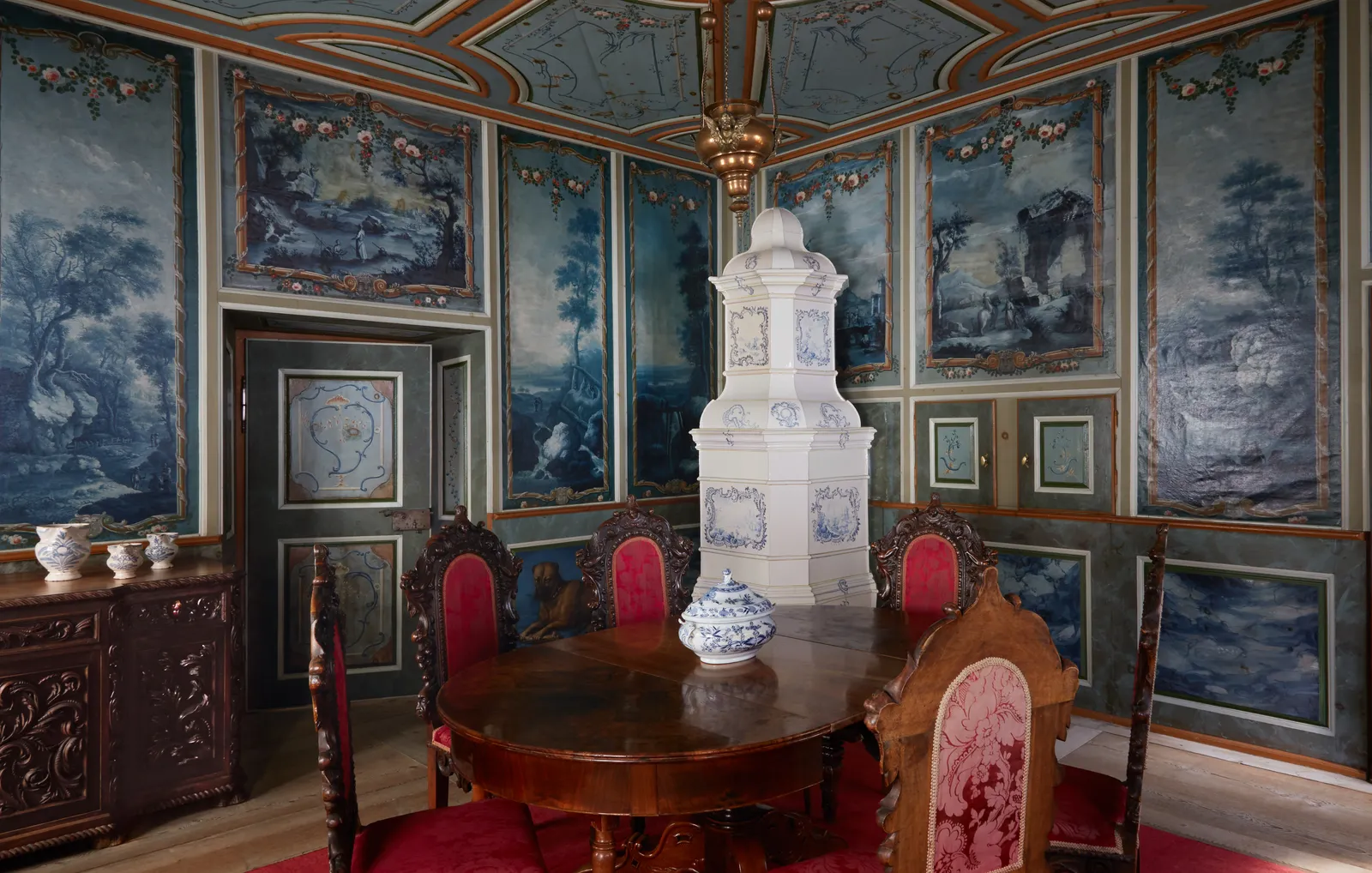
Program we hold
Boot room before foyer, hearth as the room, scullery behind the front kitchen, staff stair and staff door, wine room against grade at fifty-five degrees, mudroom routed to the laundry, dog wash off the boot room, climate-controlled storage for art and skis, and a guest wing that can shut down when the house is closed for the winter.
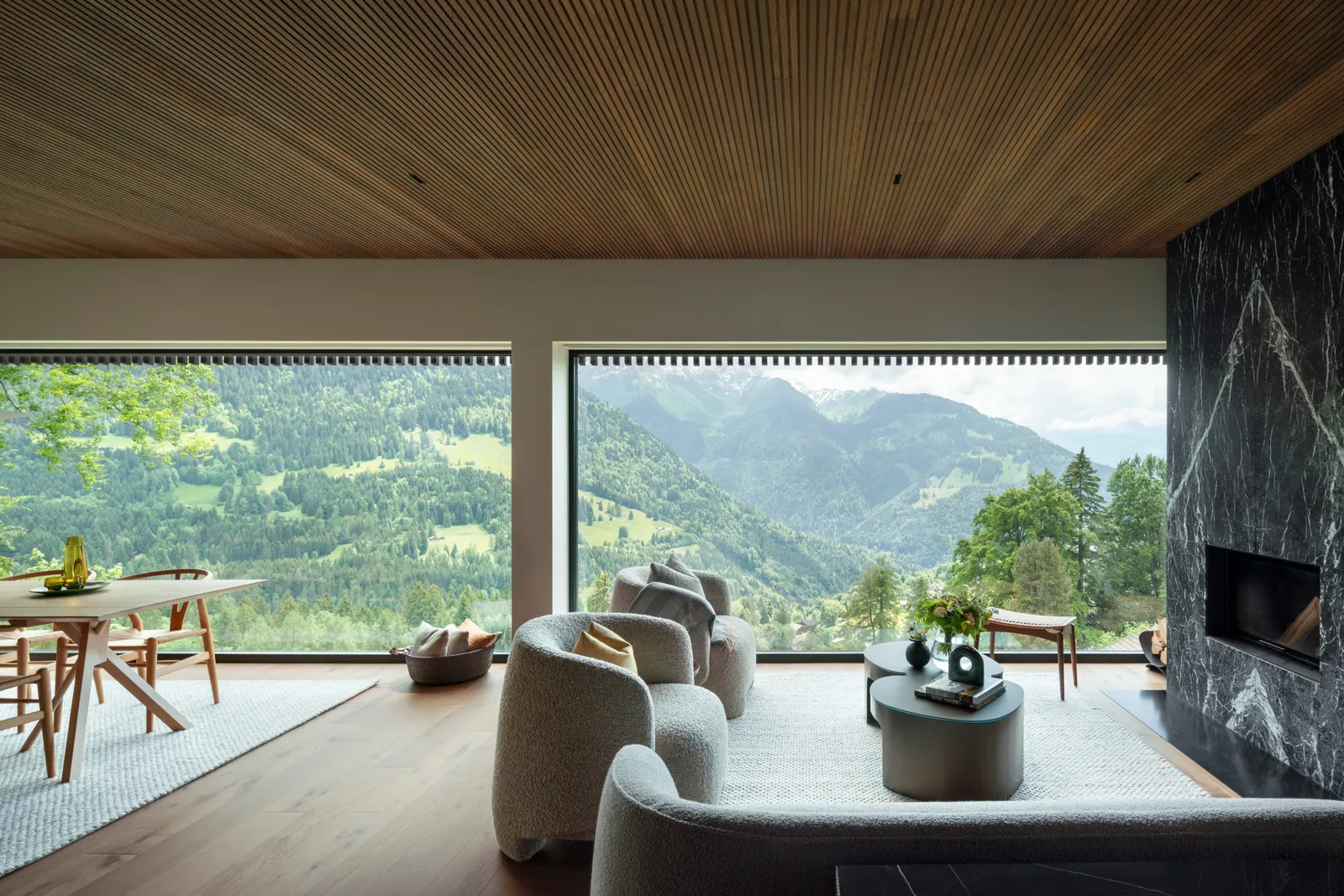
The canon we work beside
Hans-Jorg Ruch in Zuoz, Studio Peregalli in Lombardy, Festen at the Hotel du Couvent in Nice, Pierre Yovanovitch in Provence, Axel Vervoordt in Wijnegem, and the American country-house tradition carried by Schafer, Stern, Wadia, and Greenberg. We share the references. The Engadin discipline is what we bring to the Connecticut hillside.
Sources and notes
How a new build begins with us
A first call on the site, a walk of the land, a candid conversation about budget and calendar, and a written brief that names the workshops we intend to use for the fixed materials. We can be reached at 917.502.9236.
Working regions
Greenwich, New Canaan, Darien, Westport, Ridgefield, Litchfield County, the Hudson Valley, the Engadin, the Italian lakes, and Provence.
Begin a new build brief.
Send a brief or call the studio. We respond to every serious inquiry within two working days.