Region/New York, Hudson Valley
New York and the Hudson Valley
Park Avenue rooms paired with a Hudson Valley primary residence, restored to a single standard.
Most of our New York clients keep two addresses on one calendar. A pre-war apartment in the eighties or low nineties, ten or twelve rooms with original parquet de Versailles and a boiserie salon, and a primary residence somewhere along the river or back in the hills above it. Garrison, Cold Spring, Rhinebeck, Hudson, Claverack, Millbrook. We treat both houses as one practice: the same hand-troweled lime on the Hudson Valley library walls and on the Park Avenue dining room, the same unlacquered bronze hardware, the same fumed oak run through the apartment butler's pantry and the country mudroom. The Jenrette restoration discipline, room sequence, original plaster preserved, hardware re-cast where it was lost, paint colors taken from the building rather than from a fan deck, is our working standard whether the project is a Federal in Hudson or a 1928 Rosario Candela floor on Park.
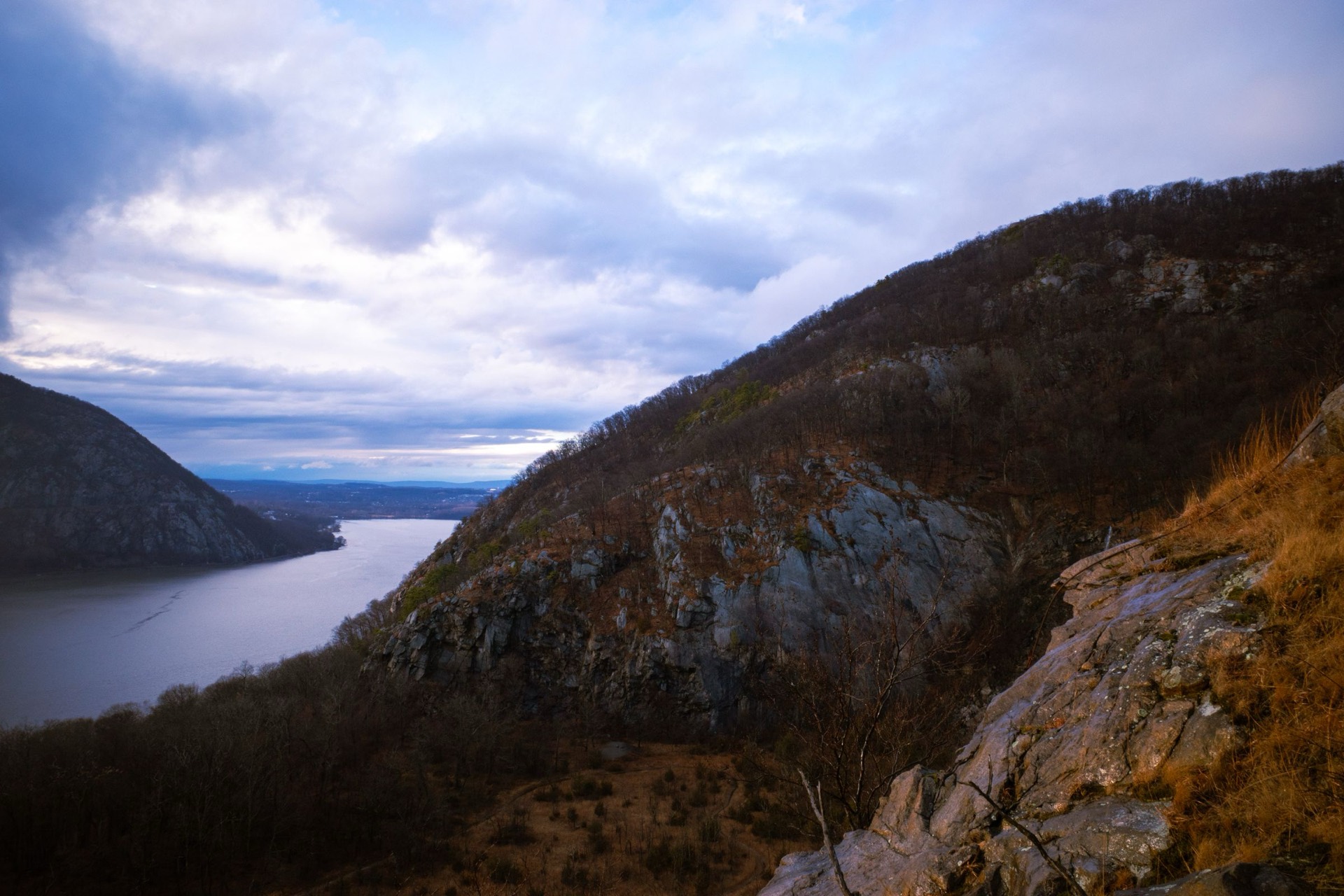
The houses we study in the valley
Olana sets the standard for color built from pigment rather than paint, polychrome stencil over hand-applied plaster, painted borders cut in by hand, encaustic tile at the thresholds. Edgewater shows what a Greek Revival villa wants on the river: a hall that reads through to the water, painted floors, a stair that does its own work, restraint at every cornice. Hill-Stead, across the line in Farmington, teaches the white country house as a vessel for a collection, Monets and Manets at domestic scale. Wethersfield in Amenia carries the Italianate garden discipline a Hudson Valley owner often wants behind a quieter shingled exterior. Troutbeck reminds us that a country house can hold ceremony, library, table, and guest wing in one calm sequence. Manitoga keeps the case for site-specific architecture: house bound to ledge, ledge bound to landscape, no decorative gesture between them. We read these buildings the way Peregalli reads a Lombard villa: slowly, with a notebook, before any drawing is started.
Jenrette discipline as the working standard
Richard Jenrette restored Edgewater, Ayr Mount, Roper House, and Millford on a single principle: keep the original hand visible, repair before you replace, never let a new gesture upstage what is already there. We carry that discipline through every Hudson Valley project. Original plaster is consolidated with lime injection rather than torn out. Painted floors are re-grounded and re-glazed by hand, not stripped to bare wood. Federal mantels are dismantled, dowels and pegs catalogued, and reset in the same room. Where a hearth has been lost, the new mantel is cut by a Westchester millwork shop from English brown oak or salvaged American chestnut and finished with hand-rubbed wax, never sprayed. The result is a house that holds its age forward, gains depth through the first decade, and never reads as a recent renovation.
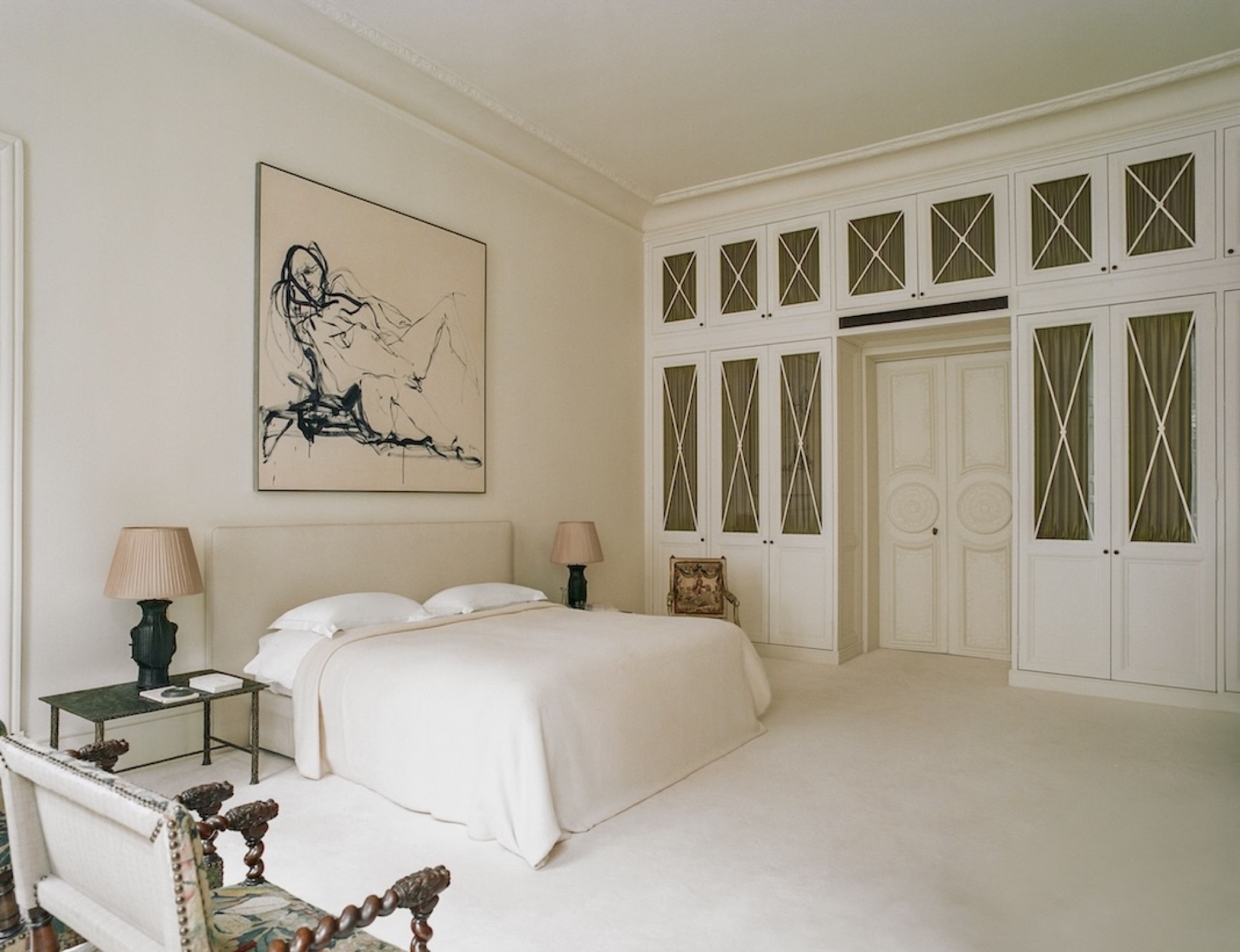
The Park Avenue apartment as a paired program
We work a city apartment the way we work the country house, with the same shop list and the same restraint. Parquet de Versailles is taken up board by board, the white oak is fumed where it has been bleached by sun, missing panels are re-cut in French oak, the floor is re-laid in lime mortar bed and finished with three coats of hand-rubbed wax. Boiserie in the salon is dismantled where the glue blocks have failed, the carvings are washed by a Manhattan conservator who works for the Frick and the Met, and the panels are reset over a fresh hide-glue ground. Scagliola fireplaces in Verde Alpi, Bardiglio, or Calacatta are repaired by a workshop in Carrara and shipped in three crates. Picture rails are run in English brown oak rather than stained pine. The galley behind the dining room is rebuilt as a working butler's pantry: unlacquered brass sinks, marble counters in Carrara, a Sommerhuber ceramic warming cabinet, encaustic cement tile on the floor in a Olana-pitched palette of oxblood, bone, and slate.
Materials we use across both addresses
Hudson Valley bluestone for thresholds, terraces, and the pool surround at the country house. Helderberg fieldstone laid in lime mortar for retaining walls and the lower courses of an entrance porch. Hand-glazed plaster, three coats over lime ground, troweled by a plasterer who came up through the Hudson conservation studios, for the city library and the country dining room alike. Encaustic cement tile from a small Languedoc workshop for the back halls, the mudroom, and the apartment kitchen, in patterns drawn from period precedent rather than copied from current stock. Fumed oak run as wide plank in the country house and as parquet relay in the city. Unlacquered bronze hardware, hand-rubbed wax on every interior wood surface, hand-cast plaster cornice where the original has been lost. Larch and chestnut on the country exterior, silvering to pewter over the first three winters.
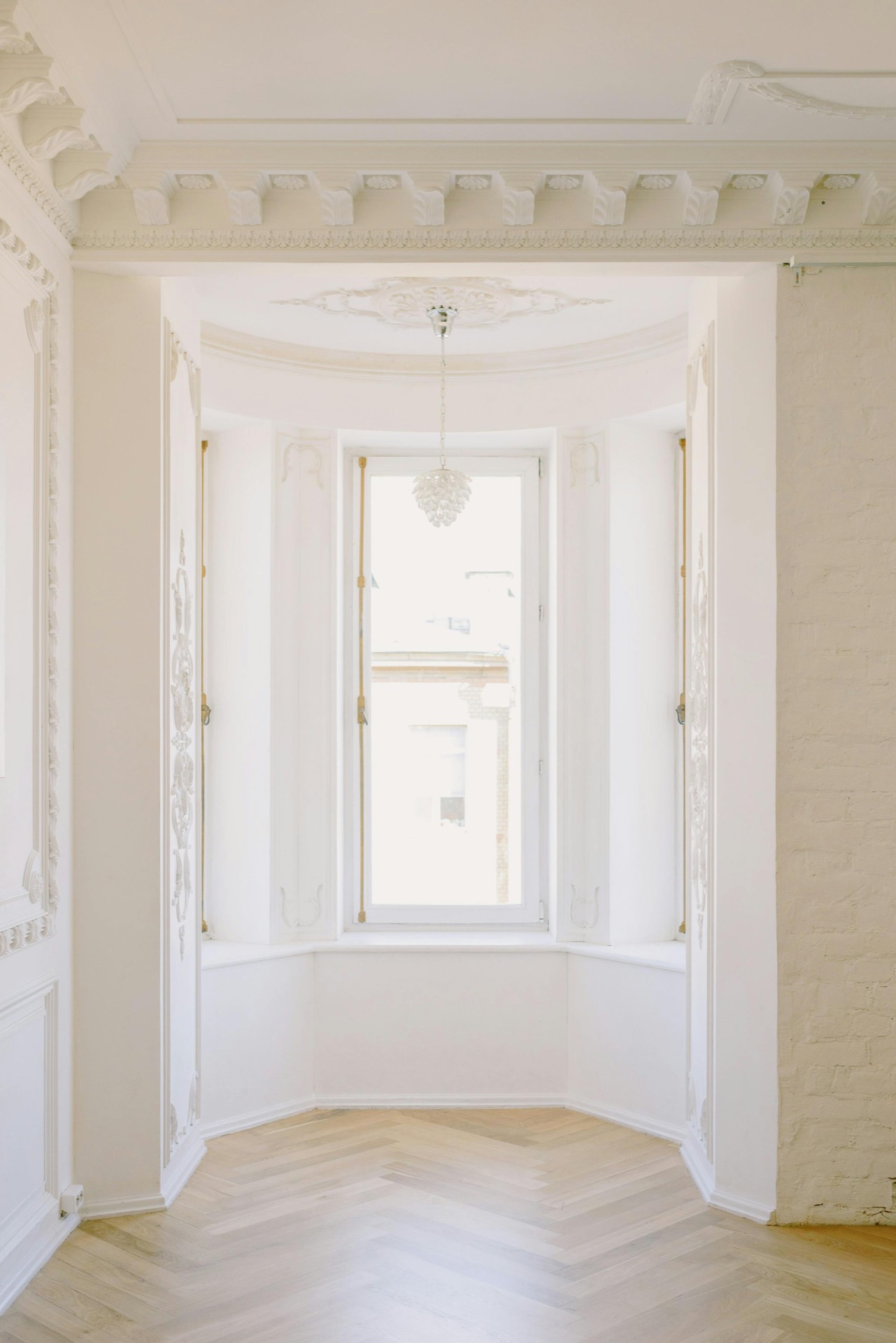
Collections, storage, and the gallery wall
Most of our New York clients own work that needs more than a residential hang. We plan climate-controlled storage at the country house, twenty-four to forty-eight degrees centigrade range narrowed to a four degree window, fifty percent relative humidity, redundant compressor, lithium-ion fire suppression, racks built by a New Jersey shop that supplies the institutional collections. A second smaller vault sits behind the apartment service hall for rotation pieces and the works that travel between the two houses. Gallery walls are planned with the conservator on the team, not after construction. We map each principal wall in elevation: hanging line, picture rail, lighting track set on a track-mount that disappears into the plaster reveal, and the dimmer curve calibrated for the dominant medium, oil on linen, work on paper, photography. The library at the country house is built around the collection rather than the other way.
How a paired project usually runs
A typical engagement begins with the country house, often a Federal, Greek Revival, or Shingle Style residence between two and ten acres along the river or in the hills behind it. We move through the building with the owner and an architect of record over two or three visits, write the restoration brief, agree the principal materials, and begin the trades. The Park Avenue apartment usually enters the program in month four or five, once the country house is sequenced. The two projects share one project manager, one millwork shop, one plasterer, one stone yard, and one bronze foundry. The apartment finishes first because the city trade calendar is faster. The country house finishes a season later, with the gardens planted, the storage vault tested, and the first paintings rehung in their planned positions.
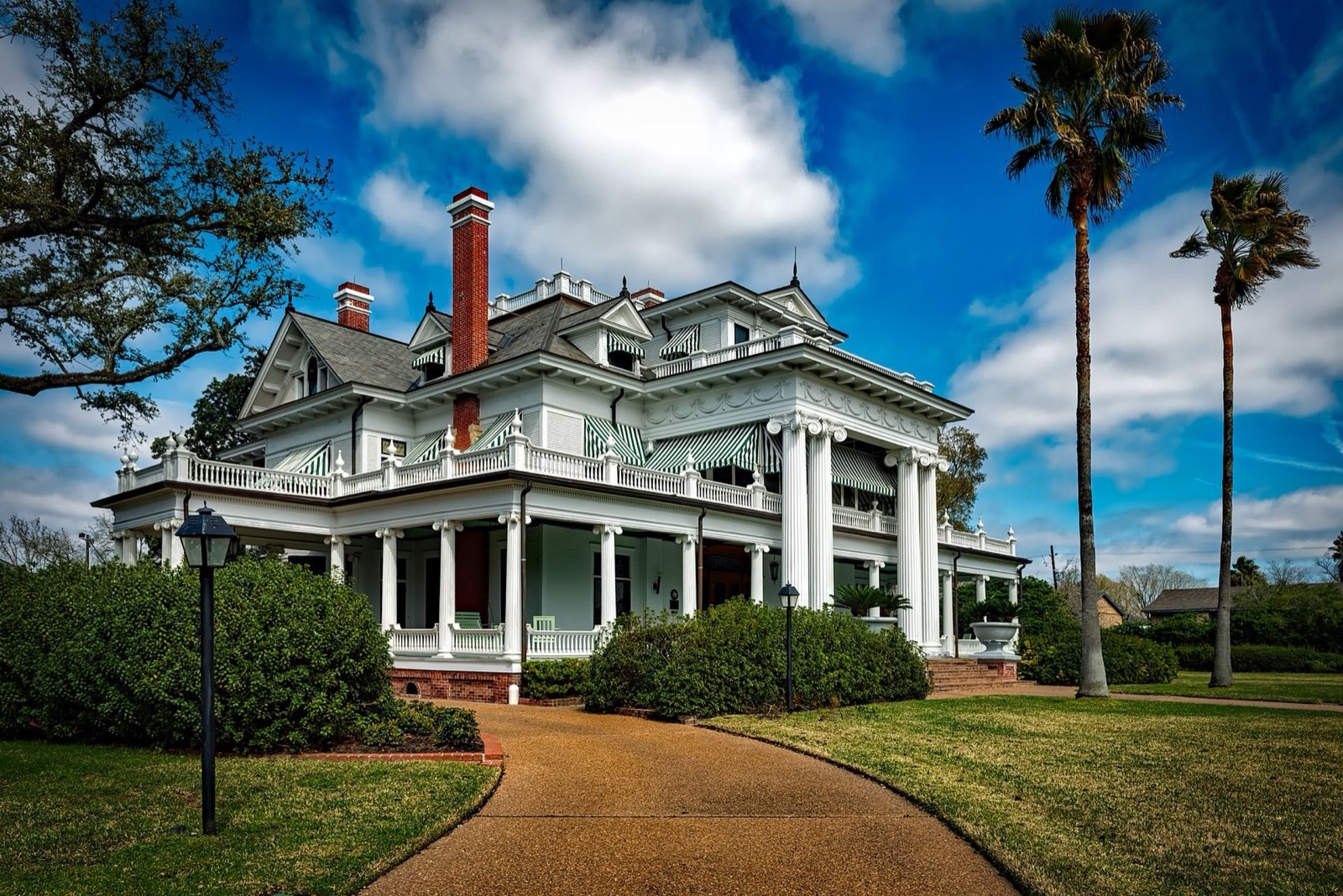
A Federal on the river
Restoration of a 1820s Federal between Hudson and Claverack: original plaster consolidated, painted floors re-grounded, mantels reset by a Hudson millwork shop, Helderberg fieldstone retaining walls laid in lime mortar, climate-controlled vault behind the new library wing.
Open ++A Candela floor on Park
Twelve rooms in a 1928 Rosario Candela building: parquet de Versailles relay in French oak, boiserie salon dismantled and reset over hide-glue ground, Verde Alpi scagliola fireplace repaired in Carrara, encaustic cement tile to the back hall, hand-glazed plaster throughout.
Open ++A Shingle house in Garrison
New construction reading as inherited: chestnut beams reclaimed from a Pennsylvania bank barn, Hudson Valley bluestone terraces, fumed oak wide plank, Sommerhuber ceramic stove at the library hearth, larch siding left to silver, gallery storage planned for a forty-piece works-on-paper holding.
Open ++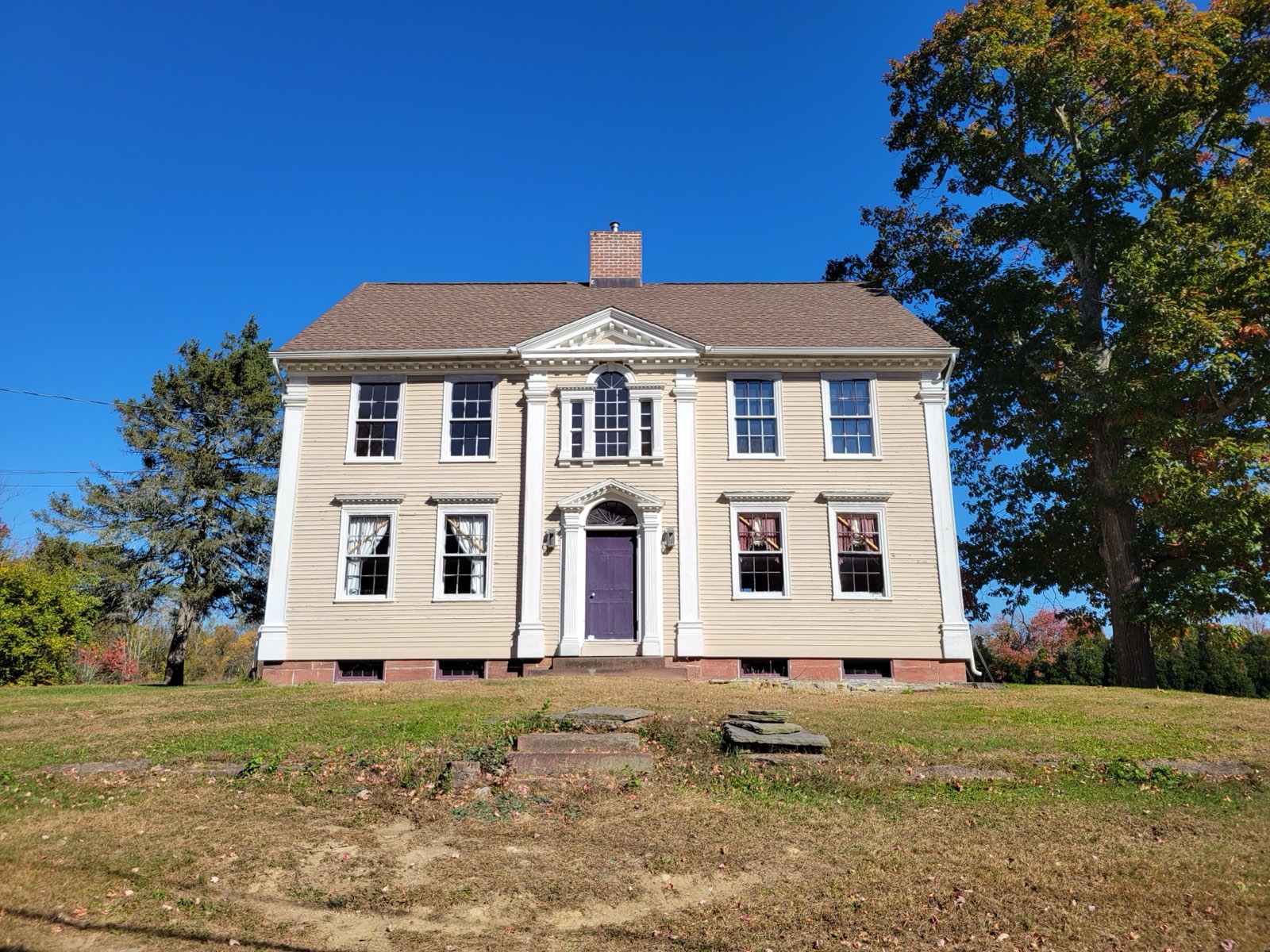
Connecticut and the valley as one practice
Many of our Hudson Valley clients also keep a Litchfield County weekend or a Greenwich primary house. We run the two regions as one studio: same plasterer, same stone yard, same bronze foundry, same standard from Salisbury to Rhinebeck.
Open ++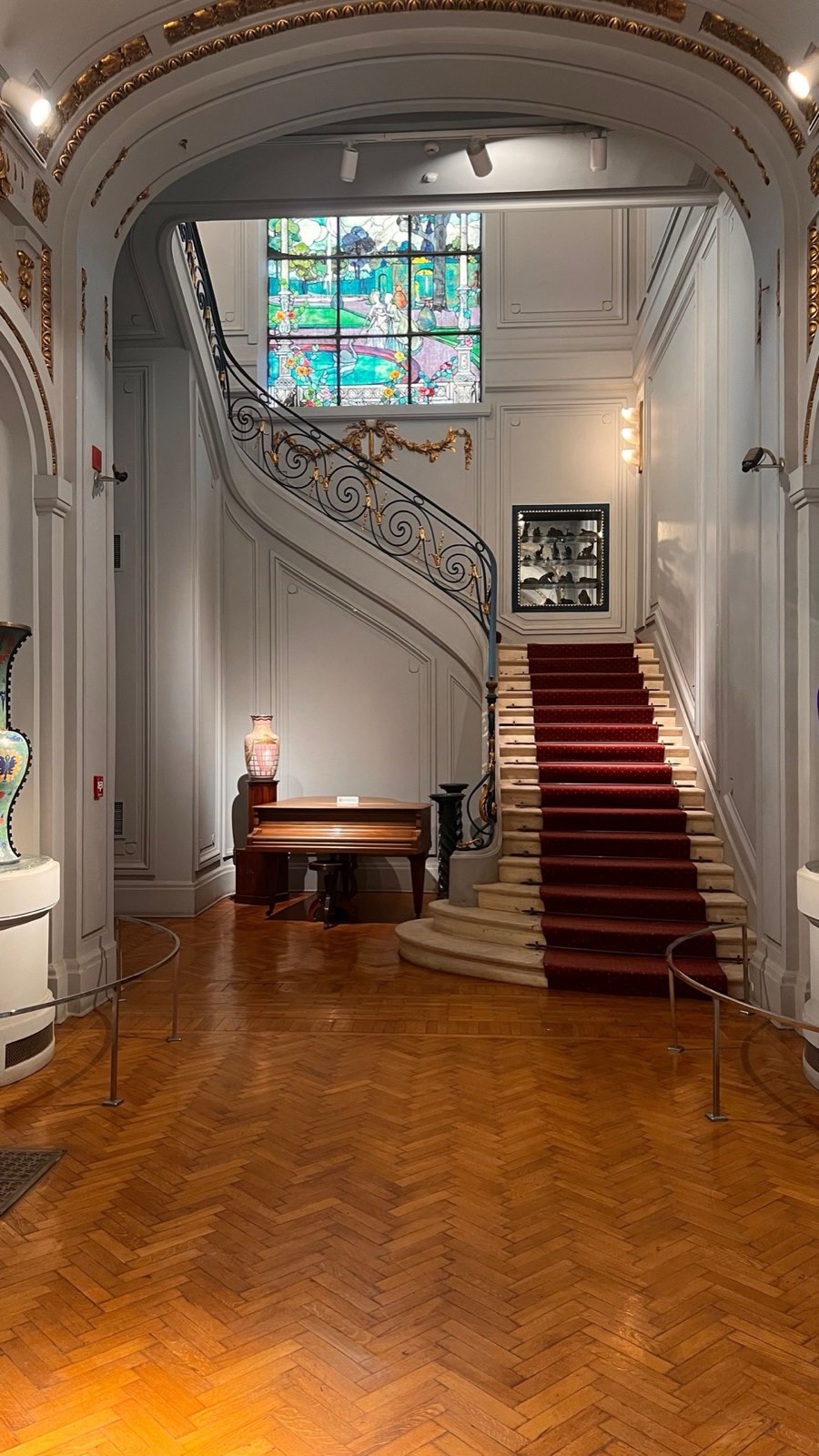
Sources and notes
Reference houses we cite
Olana for color built from pigment, Edgewater for the Federal villa on the river, Hill-Stead for the country house as a vessel for a collection, Wethersfield for the Italianate garden behind a quiet exterior, Troutbeck for ceremony at domestic scale, Manitoga for house bound to landscape. Jenrette's Classical American Homes Preservation Trust sets the restoration discipline we work to.
Workshops on the line
Hudson plasterers trained in lime, a Westchester millwork shop for English brown oak and reclaimed chestnut, a Languedoc workshop for encaustic cement tile, a Carrara studio for scagliola repair, Sommerhuber in Steyr for ceramic stove cabinets, a New Jersey vault builder for climate-controlled storage.
Begin the conversation
Most paired New York and Hudson Valley projects begin with a country visit and a follow-up in the apartment. Reach the studio at 917.502.9236 to schedule both.
Begin a New York and Hudson Valley conversation.
Send a brief or call the studio. We respond to every serious inquiry within two working days.