Service/Pre-Purchase
Acquisition Advisory
Read the property before the offer is final.
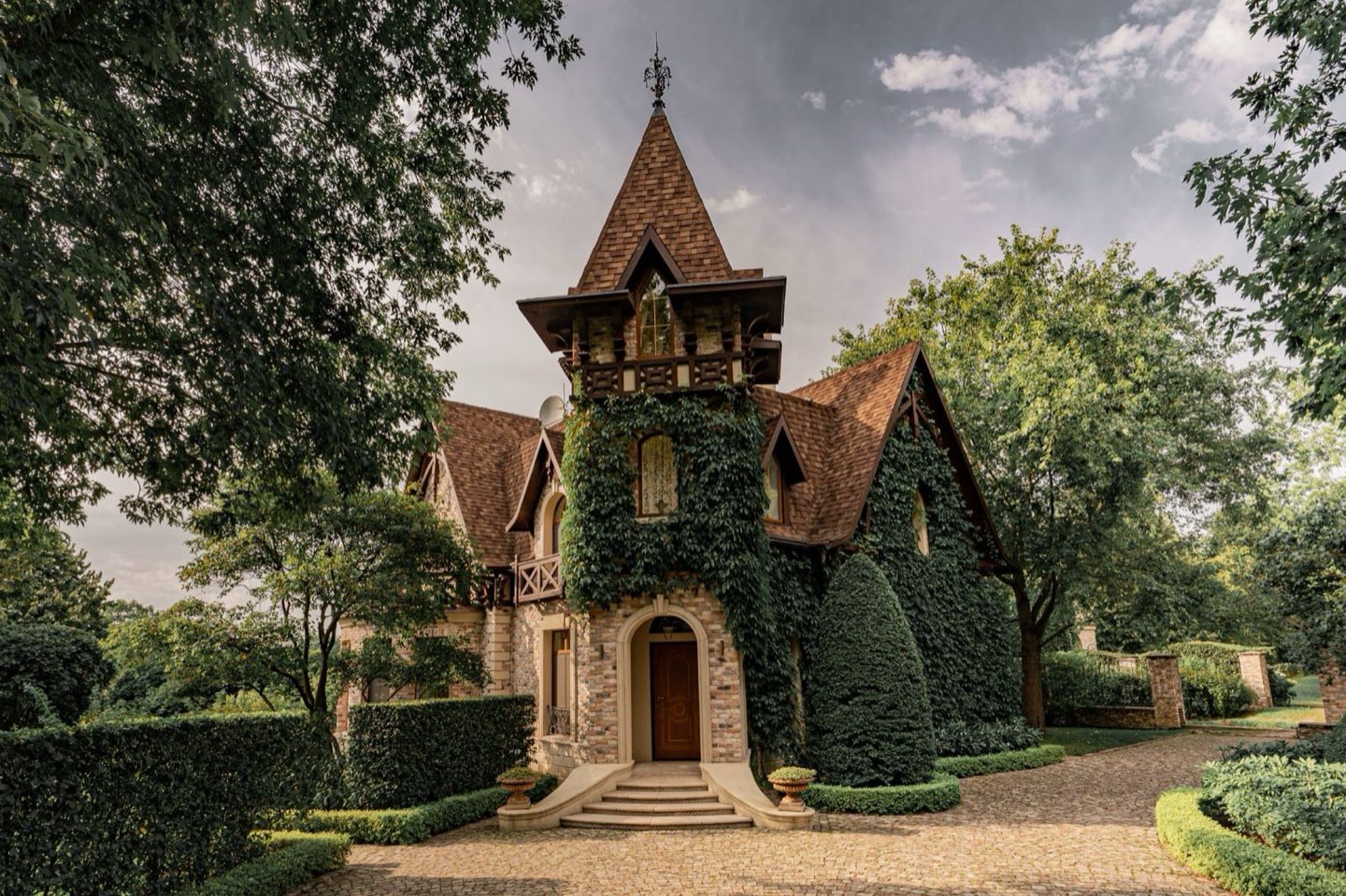
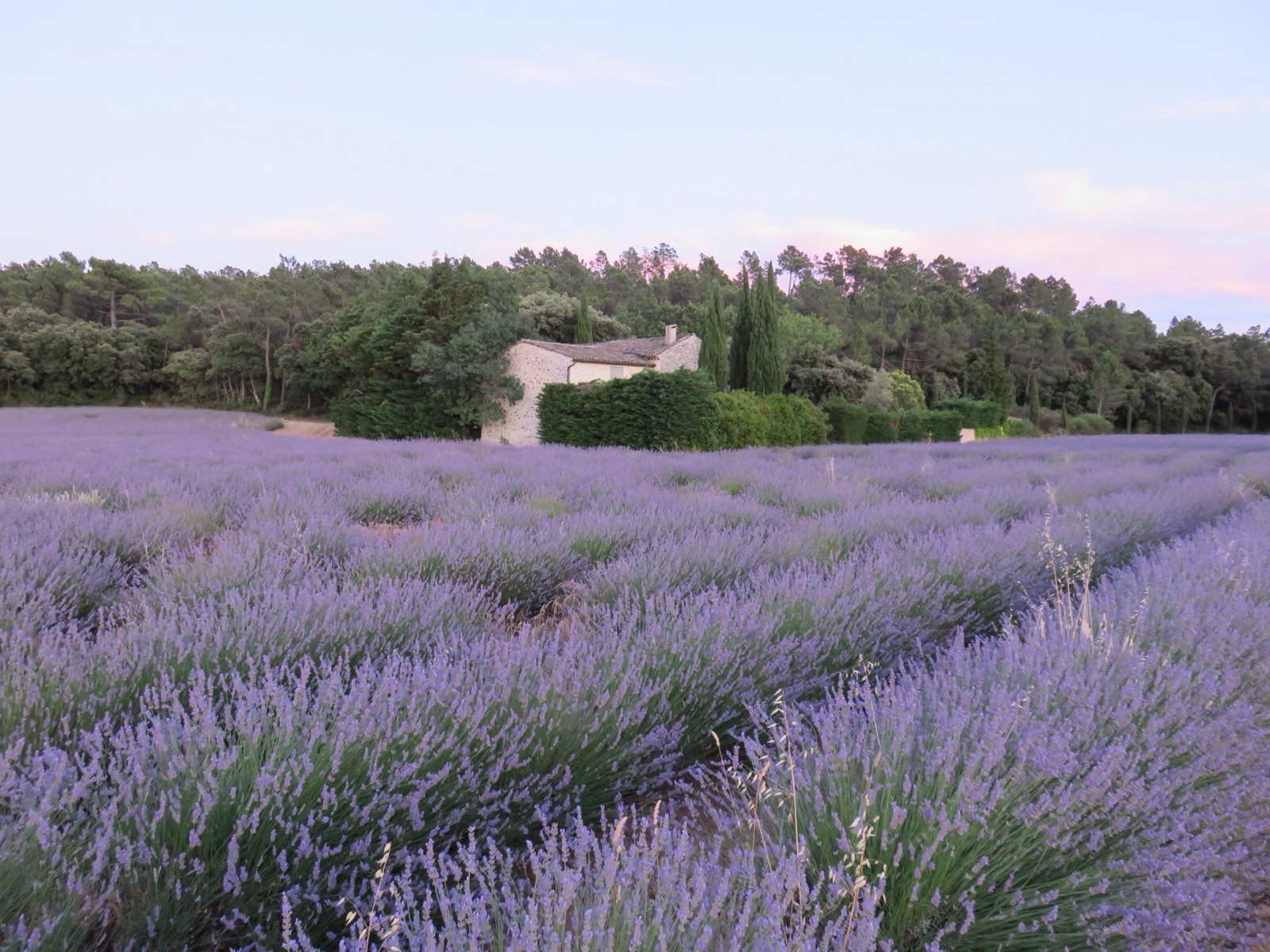
We walk the property with the buyer, the broker, and ideally one of the trades we use most often. The brief is narrow and the brief is honest: what the house actually is, what it will cost to bring to a Chesa standard, what the local design review will accept, and whether the workshops we need to finish the work sit within commuting distance of the site. Most of our acquisition reports are delivered inside ten days of the walk-through, in time to revise the offer. We do this for clients buying a Salisbury Federal, a Greenwich Shingle Style, an Engadin chasa above Zuoz, a stone farmhouse in the Luberon, a lake house on the Tremezzina, an old grange in Umbria.
What we read on the walk-through
Foundation and sill condition, evidence of past lifting or sistering, drainage at the perimeter, basement humidity, mold and damp history in the corners brokers rarely open. Roof framing visible from the attic, ridge sag, ice-dam history at the eaves, the age and species of the sheathing. Sash by sash: which windows are original, which are 1970s replacements pretending otherwise, which can be repaired by a competent shop, which need to be remade. Plaster, lath, paint stratigraphy where it survives. Mechanicals as they actually are, not as the listing describes: boiler age, distribution, panel capacity, septic field condition, well yield, oil tank presence and date. We open one closet, one mechanical chase, and the smallest bathroom. That is usually enough to know.
Restoration cost at the Chesa standard
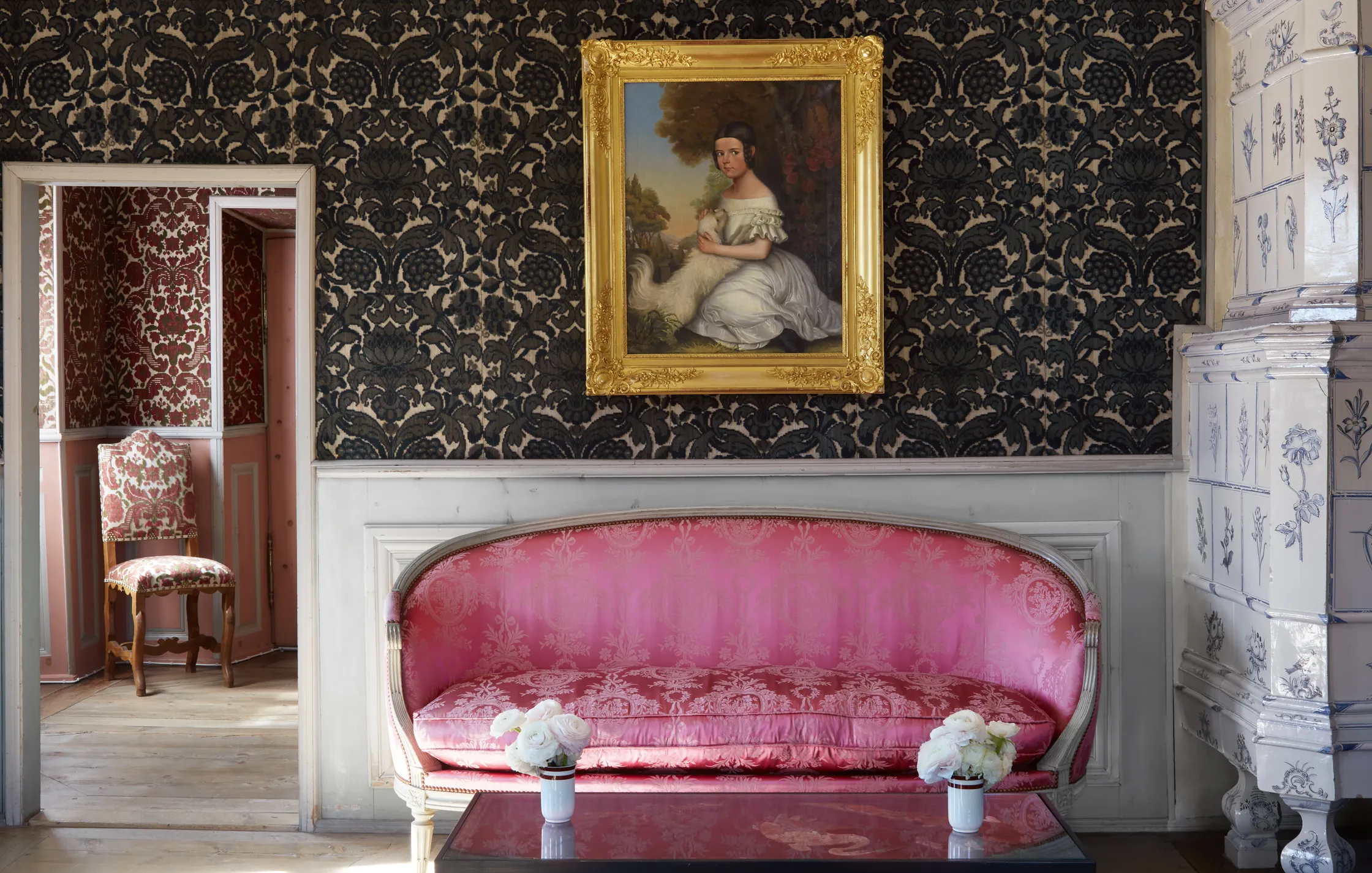
We project against the standard we will actually build to, not the speculative-flip standard the next broker will quote. Hand-troweled lime over the right ground, fumed oak floors with the joists leveled first, fieldstone repointed in lime mortar, sash repaired in a shop we know by name, unlacquered bronze hardware from a foundry we have used before, ceramic stove or a properly lined masonry hearth, kitchen split into a working room and a serving room, boot room sized for an actual family. The number is delivered in three bands: stabilize, restore, restore and extend. Each band carries a square-foot range, a workshop list, and a realistic month count. A Litchfield County farmhouse currently asking three is rarely a four-million all-in. We say which it is.
Regional fit and the design review
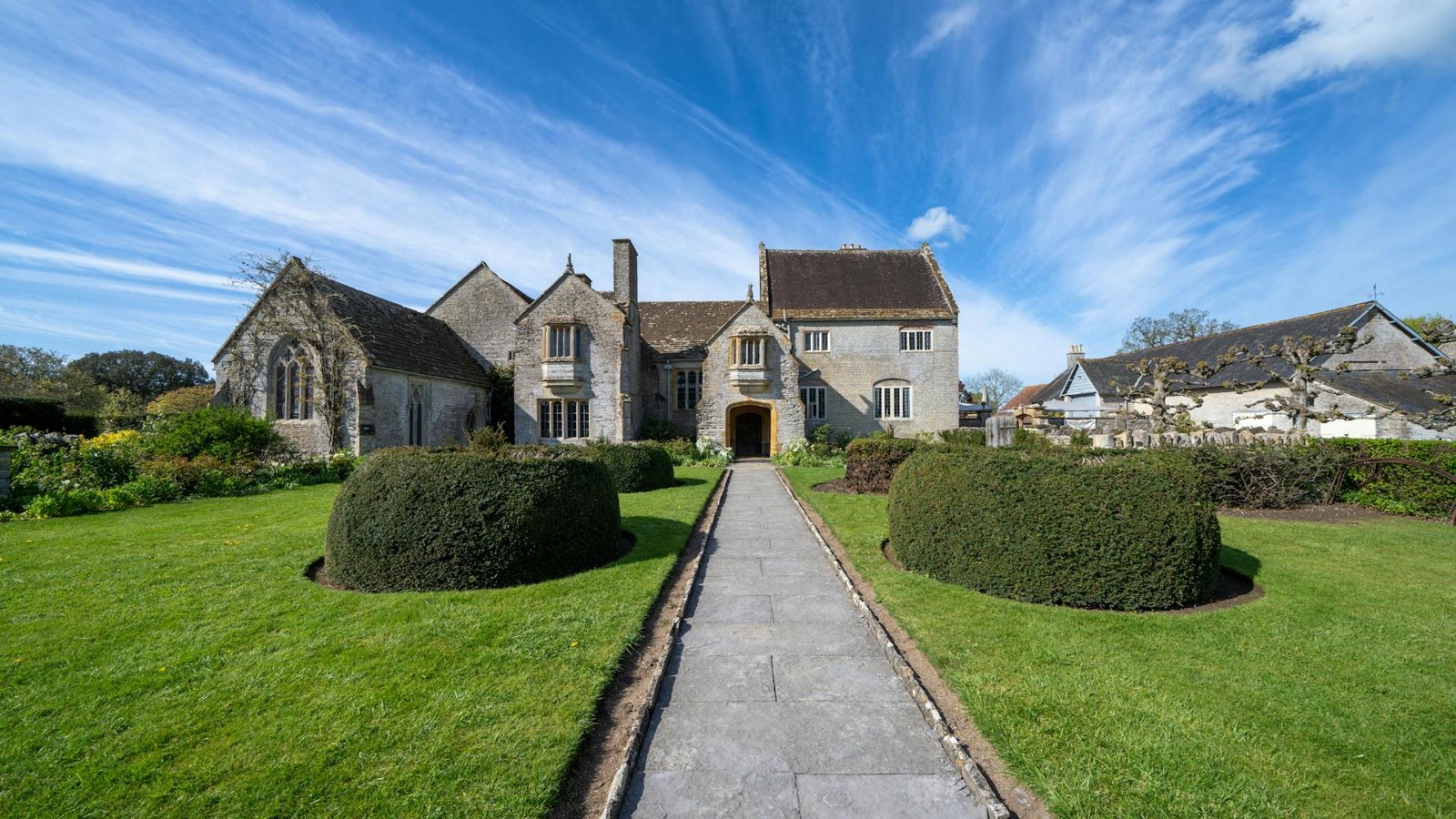
Different towns read houses differently. New Canaan and Darien will accept a confident contemporary addition behind a restored Colonial front. Salisbury and Sharon want the addition subordinate to the original ridge. Greenwich back-country tolerates scale that Old Greenwich does not. In the Engadin, the local plan reglements protect the larch facade, the painted sgraffito, the stone surround at the door; new openings on the south face are a conversation, not a given. On Lake Como the soprintendenza will hold the line on the lake elevation and the roof tile. We tell the buyer what the review body in that municipality has approved in the last five years, who the planner is, and whether the parcel reads honestly against its abutters. A house that fights its neighbors is a house that fights every approval for the next ten years.
Workshop reach from the site
A restoration is only as good as the trades that can drive to it on a Tuesday. Before we sign off on the offer we confirm reach: which lime plaster crew, which sash shop, which fieldstone mason, which timber framer, which forged-iron and bronze workshop, which fresco or sgraffito conservator if the house carries painted finishes. In Litchfield County and the lower Hudson Valley we work with a known set of shops within ninety minutes of most parcels. In the Engadin and the Val Bregaglia the workshops are tighter; we use the Zuoz and Samedan trades that have kept the painted facades alive for two centuries. In Provence we draw on the Salernes terracotta yards and the Aix lime masons. In Umbria, the Citta di Castello and Spoleto trades. If the workshops are not within reach, we say so before the offer goes in.
The deliverable
A written report of twenty to thirty pages, with photographs keyed to the floor plan, a foundation and envelope assessment, a sash and joinery inventory, a mechanical and septic summary, the three-band cost projection, a workshop reach map, a regional fit note from the planner conversation, and a one-page recommendation: proceed at ask, proceed at a revised number, walk. The report belongs to the buyer. We are happy to brief the broker, the architect of record, the family office, or counsel directly. Most of our buyers commission the report between the second showing and the inspection contingency.
Where we work
Connecticut from Greenwich through Litchfield County, with regular work in Westport, Darien, New Canaan, Ridgefield, Washington, Salisbury, Sharon, and Cornwall. The Hudson Valley from Garrison north through Hudson and the Catskill foothills. The Engadin from Sils through Zuoz and Guarda. Lake Como, the Lombard lakes, and the Brianza farmhouse belt. Umbria south of Perugia, Tuscany in the Maremma and the Val d'Orcia, the Var and the Luberon in Provence. We will travel for the right property; we will not write a report on a region where we cannot stand behind the workshop reach.
A Salisbury Federal, two acres, asking 4.2
Foundation sound, sills compromised on the north elevation, original sash fully recoverable through the Torrington shop we use, oil tank still in the ground. Restoration band landed at 3.1 to 3.6 above acquisition. Buyer revised the offer down by four hundred thousand on the strength of the sill report and closed at 3.8.
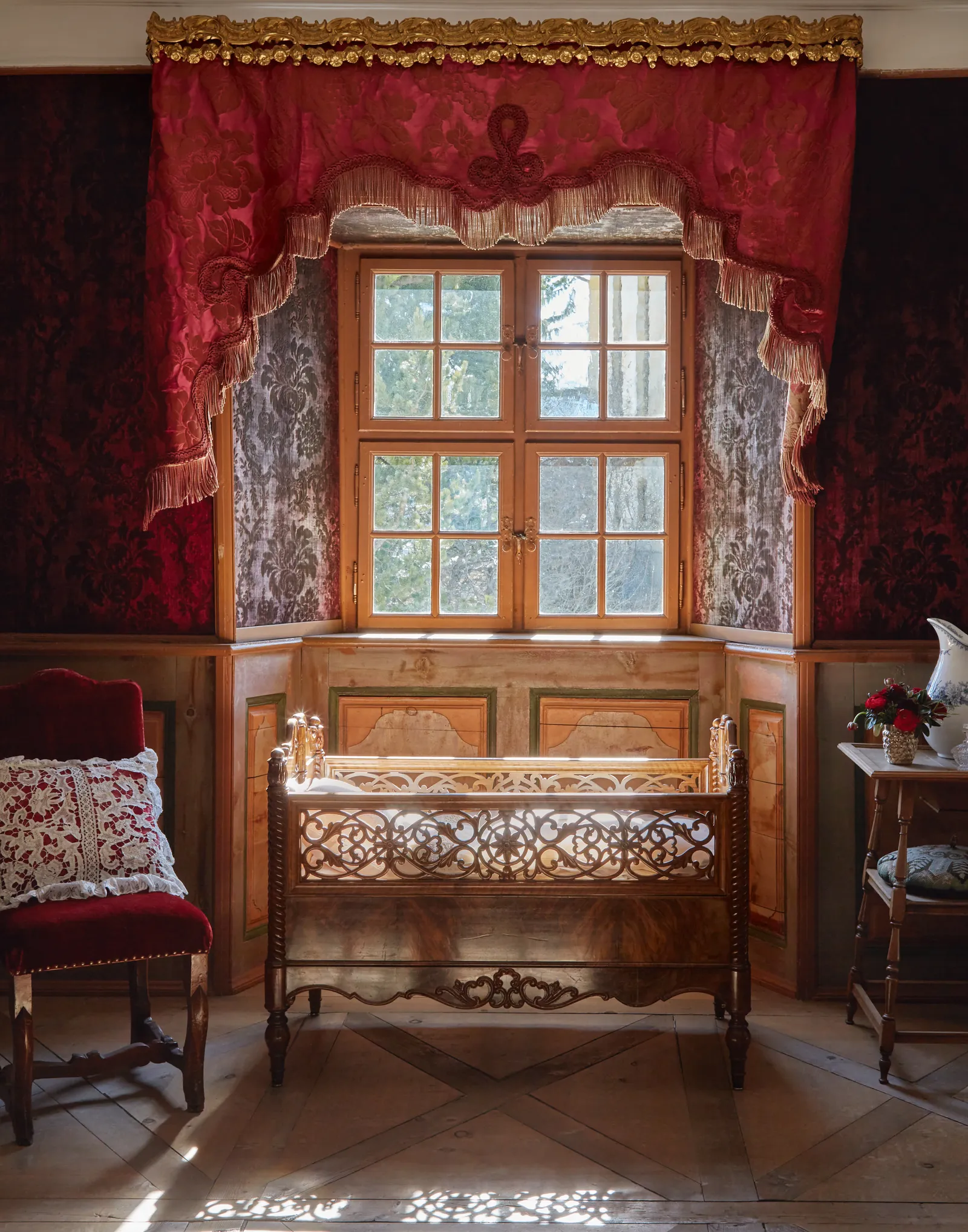
A chasa above Zuoz, painted sgraffito intact
South facade sgraffito legible and dated 1683, larch shutters original, kachelofen in the stuva functional with one cracked tile. Local conservator confirmed in week one. We advised against a south-facing kitchen window the buyer wanted; the planner would not have approved it and the elevation would have lost its memory. Offer proceeded at ask.
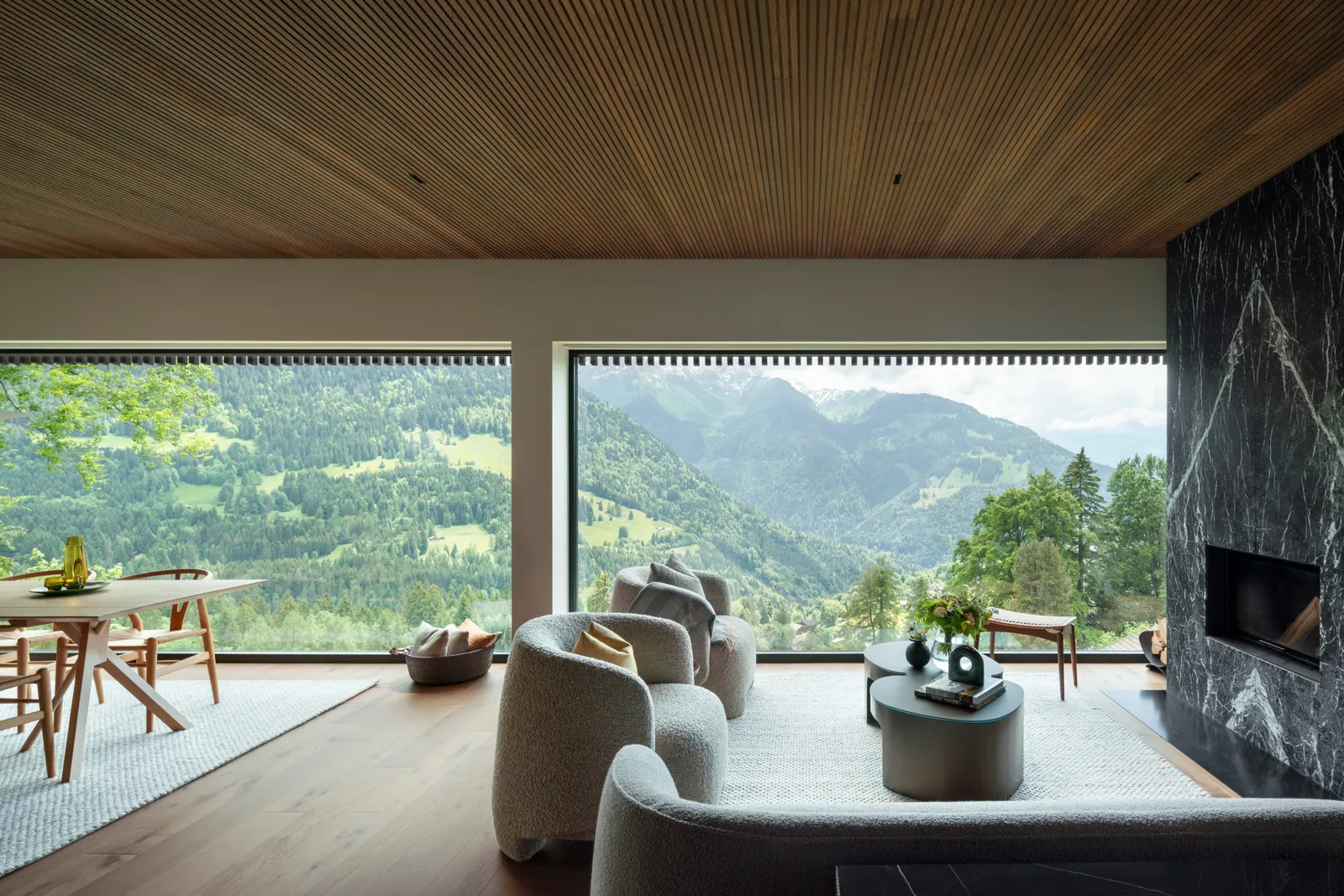
A Lombard farmhouse, Brianza, three barns
Main house roof structurally sound under the tile, two barns recoverable as guest wing and pool house, third barn beyond honest repair. Workshop reach confirmed through Como and Lecco. Restoration band 4.4 to 5.1 above acquisition, eighteen to twenty-two months. Family office proceeded; the brief became a generational compound rather than a primary residence.
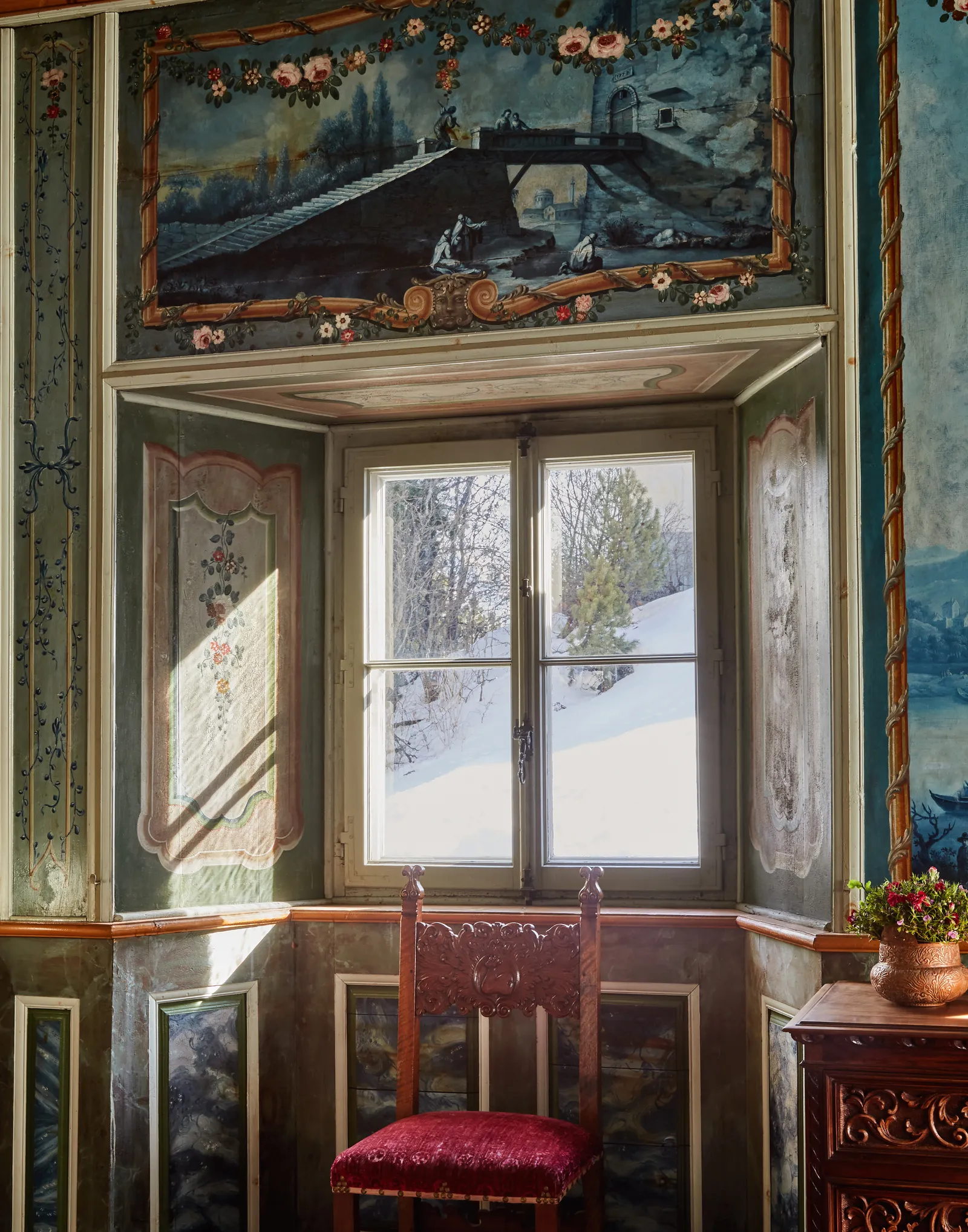
A Greenwich back-country Shingle, we recommended walking
Listing read as a 1908 Lindeberg. The framing read as a 1986 reconstruction on a partial original footprint. Restoration cost to bring it to a defensible standard exceeded the cost of building new on a comparable parcel. We said walk. The buyer walked and bought a parcel in Round Hill the following spring, which we are now building.
Sources and notes
How to commission a walk-through
A call with the founder, an exchange of the listing and any inspection material already in hand, and a date on the calendar. The fee is fixed against the report scope and is credited against the restoration contract if we proceed together. Reach us at 917.502.9236.
Who the report is written for
Private buyers, family offices, the occasional developer assembling a small portfolio of restored country houses, and the architects and counsel who advise them. The tone is technical and the recommendation is unambiguous.
Walk a property with us.
Send a brief or call the studio. We respond to every serious inquiry within two working days.