Chesa Studio/Regions
Italy and Provence
Anglo-Italian villas in Tuscany and Lombardy, mas and bastide work in Provence.
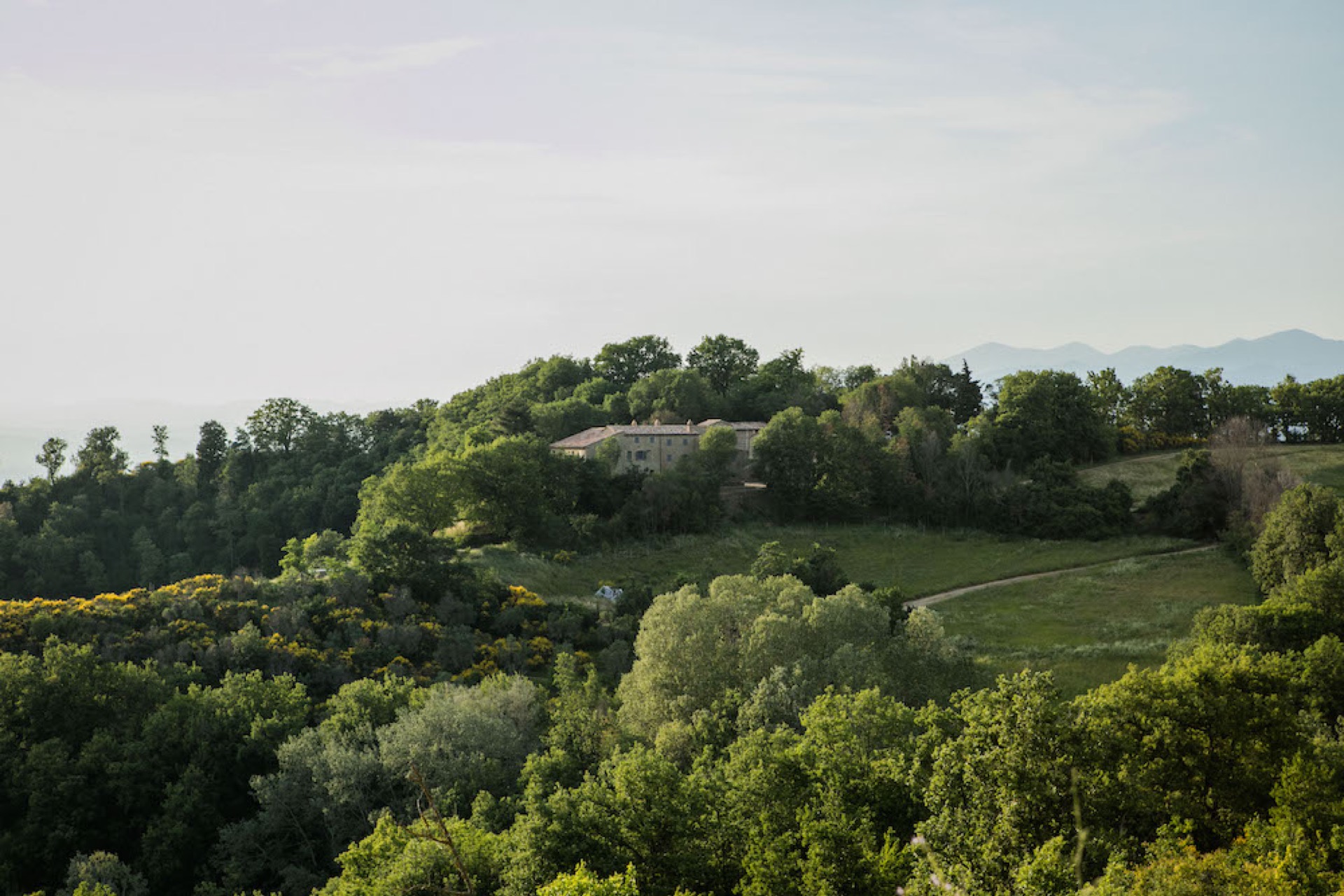
Most of our Italian and Provencal clients hold a primary residence between New York, Greenwich, and Litchfield County, and a second house somewhere south. A working villa in the hills above Lucca. A farmhouse on Lake Como with three hectares of olive. A mas outside Goult with lavender to the boundary wall. A bastide in the Alpilles that has been in the family since the 1950s. We treat these as one geography because the clients do. The same architect rarely answers in both places, and the same builder almost never; we sit between them, hold the language, and keep the house held to one standard from Chianti to the Luberon.

The Anglo-Italian villa as a working model
Reschio is the clearest current example: Benedikt Bolza working a 1,500-hectare estate as a family business, with a forge, a joinery, a kitchen garden, a hotel, and houses for sale to people who actually live in them. Borgo Santo Pietro reads similarly under Claus and Jeanette Thottrup, with a working dairy, a perfumery, and rooms that look like the family stayed there last weekend. Villa Cetinale and La Foce are older versions of the same intelligence, held by the Lambton and Origo families and edited slowly through three generations. Monteverdi at Castiglioncello del Trinoro by Ilaria Miani works at smaller village scale with the same restraint. We work this way: a villa is a working estate held by a family, with rooms that take guests, walls that take art, and a kitchen that cooks for eighteen on a Saturday in August.
Restoration in the Italian register
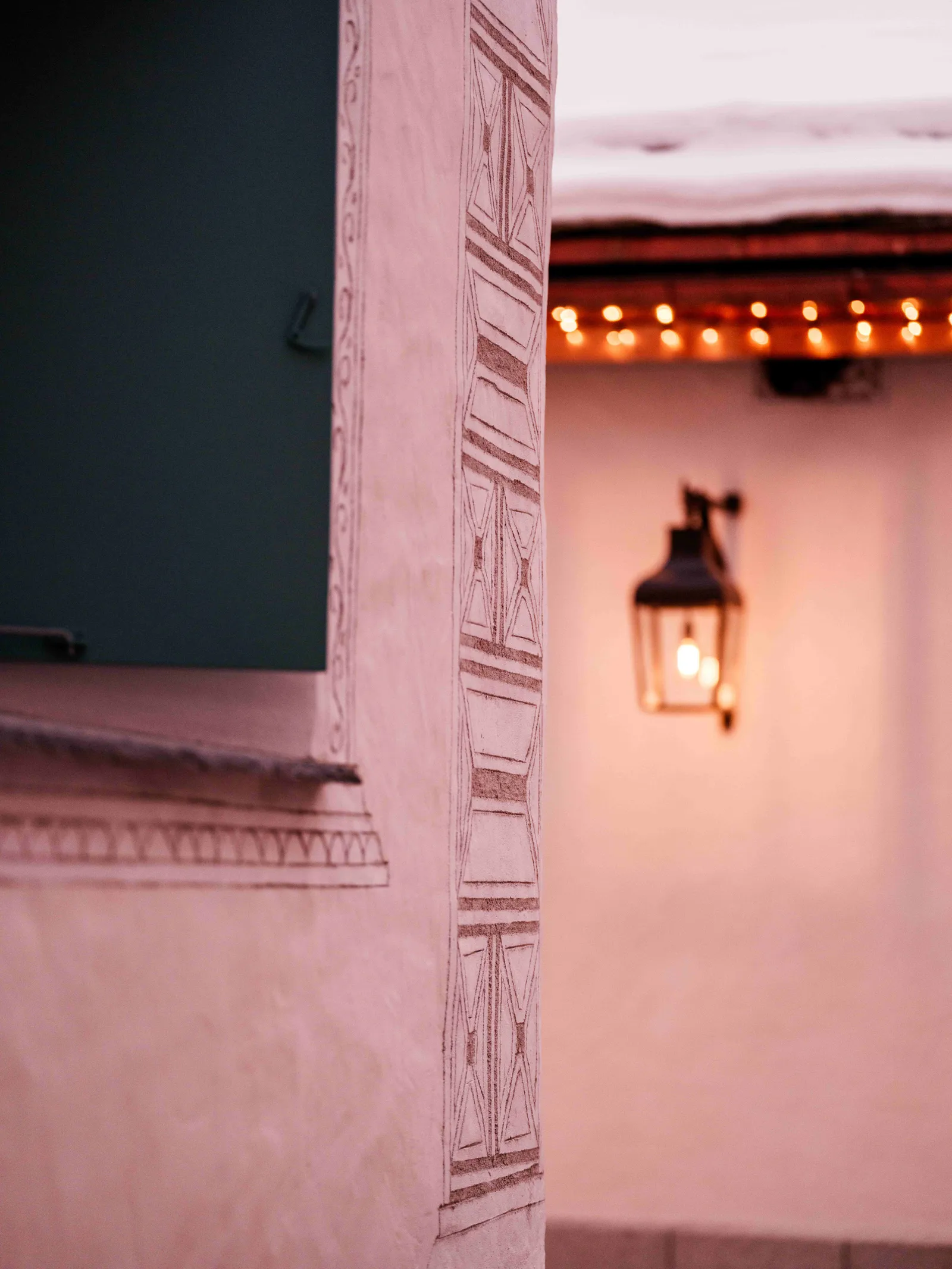
Cocciopesto floors poured warm and burnished in place, with Impruneta cotto repointed in lime where the original survives. Scagliola at Bianco Bianchi in Florence for the consoles and overmantels we cannot find at auction. Bartolozzi for joinery, boiserie, and the kind of carved cornice that a Tuscan mason will not improvise. Fresco fragments stabilized by a Restauro conservator before any plaster touches the wall above them; we have learned to be patient with the order of operations there. Henraux at Querceta for Statuario, Calacatta, and Bardiglio, cut to plan and shipped finished. Lime from Saint-Astier through an Italian distributor, hot-mixed on site for sgraffito and stucco where the building wants it. Reschio Forge for ironwork hinges, gate stays, and lanterns that read as right against a 17th-century travertine threshold.
Provence as a parallel program
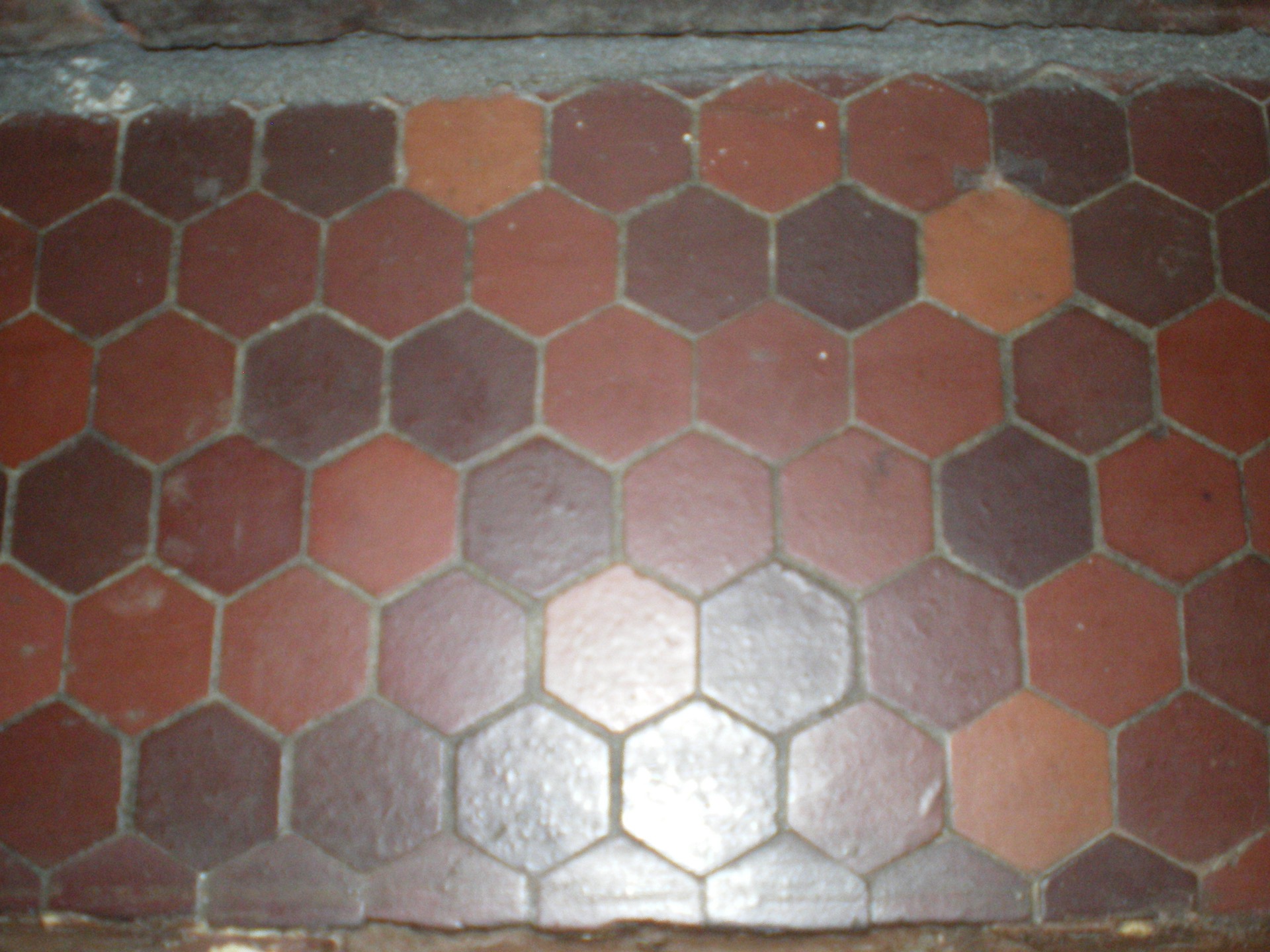
The Provencal side has its own canon and we run a parallel spec sheet for it. Salernes tomettes laid in lime on the ground floor, sealed only with wax. Tassin lime from the Rhone valley for the renders, mixed long and applied in three coats over a haired scratch. Atelier Vime in Vallabrègues for the rattan headboards, screens, and the basket-back chairs that every serious mas wants now. Atelier Zuber for woodblock papers where a salon asks for one. Festen Architecture's work at Hotel du Couvent in Nice is the current reference for restoration restraint at the institutional scale: stripping back to plaster, keeping monastic proportion, refusing the soft renovation register. Chateau de Fabregues, La Ferme at Megeve, Bastide de Marie above Menerbes, and Chateau d'Estoublon in the Alpilles are the working precedents for the residential register. We hold the same trades on both sides of the Maritime Alps: lime, terracotta, dry stone, oak beams, iron, and water.
What we run on the ground
We run the brief, the precedent file, and the workshop list. We do not replace the local architect or the geometra, the maitre d'oeuvre, or the bureau d'etudes. We sit between the client and the local team, in Italian on Tuesday and in French on Thursday, with weekly site reports back to whichever office in New York or London is paying the bills. We hold the spec sheet: lime mixes, mortar joints, beam treatments, terracotta sources, marble yards, fabric mills, ironwork shops. We schedule the conservator visits. We sign off on the patinas before the painter leaves. We answer the family office's questions about why the cocciopesto floor took eleven weeks. We do this through one twelve to thirty month residency phase per house, with a stewardship retainer afterward for the slow finishing work that a good villa will always want.
Programs we have run or are running
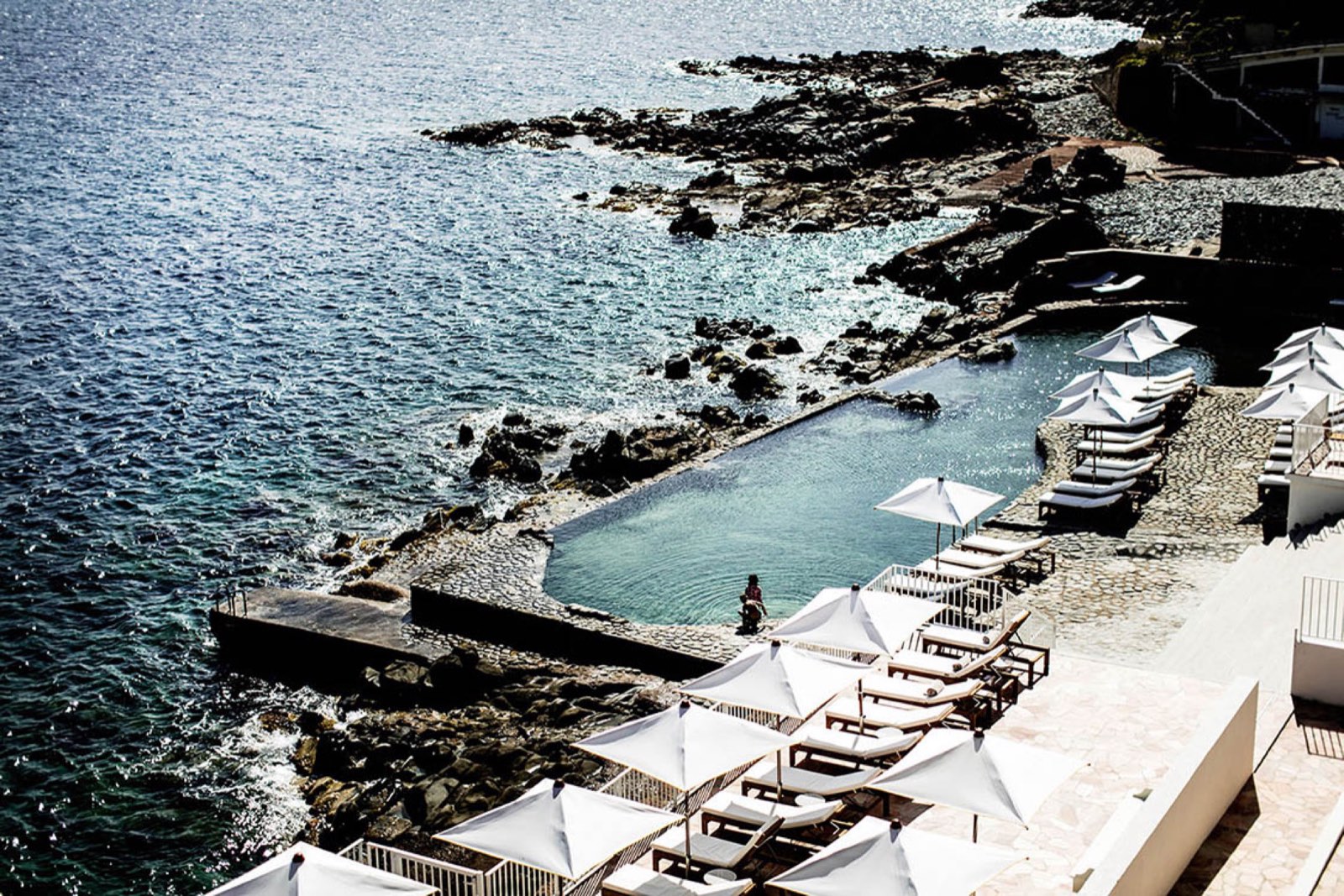
A 17th-century Lombard farmhouse on the Brianza side of Como, restored with cocciopesto, lime stucco, fumed oak, and a Reschio Forge gate; a guest wing and pool house built new in the same fabric. A 19th-century podere in the Val d'Orcia restored to a family compound with three guest cottages, a wine cellar, an olive press kept working, and a salon hung against a stabilized fresco fragment. A mas outside Bonnieux taken back to lime over rubble, Salernes tomettes throughout the ground floor, with a new pool house in dry stone built by a Cavaillon mason. A bastide in the Alpilles restored as a working horse property, with a stable, a tack room, and a small chapel returned to the family. A new house in Westport, Connecticut, designed in parallel for the same family, sharing fabric and palette with the Lombard farmhouse so the two houses read as one collection.
Begin the conversation
We work in small batches between Italy, Provence, and the Northeast: two or three new villa or mas commissions a year, and a longer queue of stewardship retainers we already hold. If you are looking at an estate in Chianti, the Lakes, the Val d'Orcia, the Maremma, the Luberon, the Alpilles, or the Cap, the right time to call is before the architect of record is appointed. Tom Engo, founder. 917.502.9236. We will spend an hour on the phone before either of us writes anything down.
Lombard and Tuscan villa restoration
Cocciopesto, lime stucco, fresco fragment stabilization, Impruneta cotto, scagliola at Bianco Bianchi, joinery at Bartolozzi, marble cut at Henraux, sgraffito and stucco repaired in the Lombard register. Run with the geometra and the conservator under one weekly site rhythm.
Open ++Provencal mas and bastide work
Tassin and Saint-Astier lime, Salernes tomettes, Atelier Vime rattan, Zuber paper where a salon asks for one, dry-stone garden walls rebuilt by Vaucluse masons. Festen's restraint at Hotel du Couvent and Chateau de Fabregues as the current references.
Open ++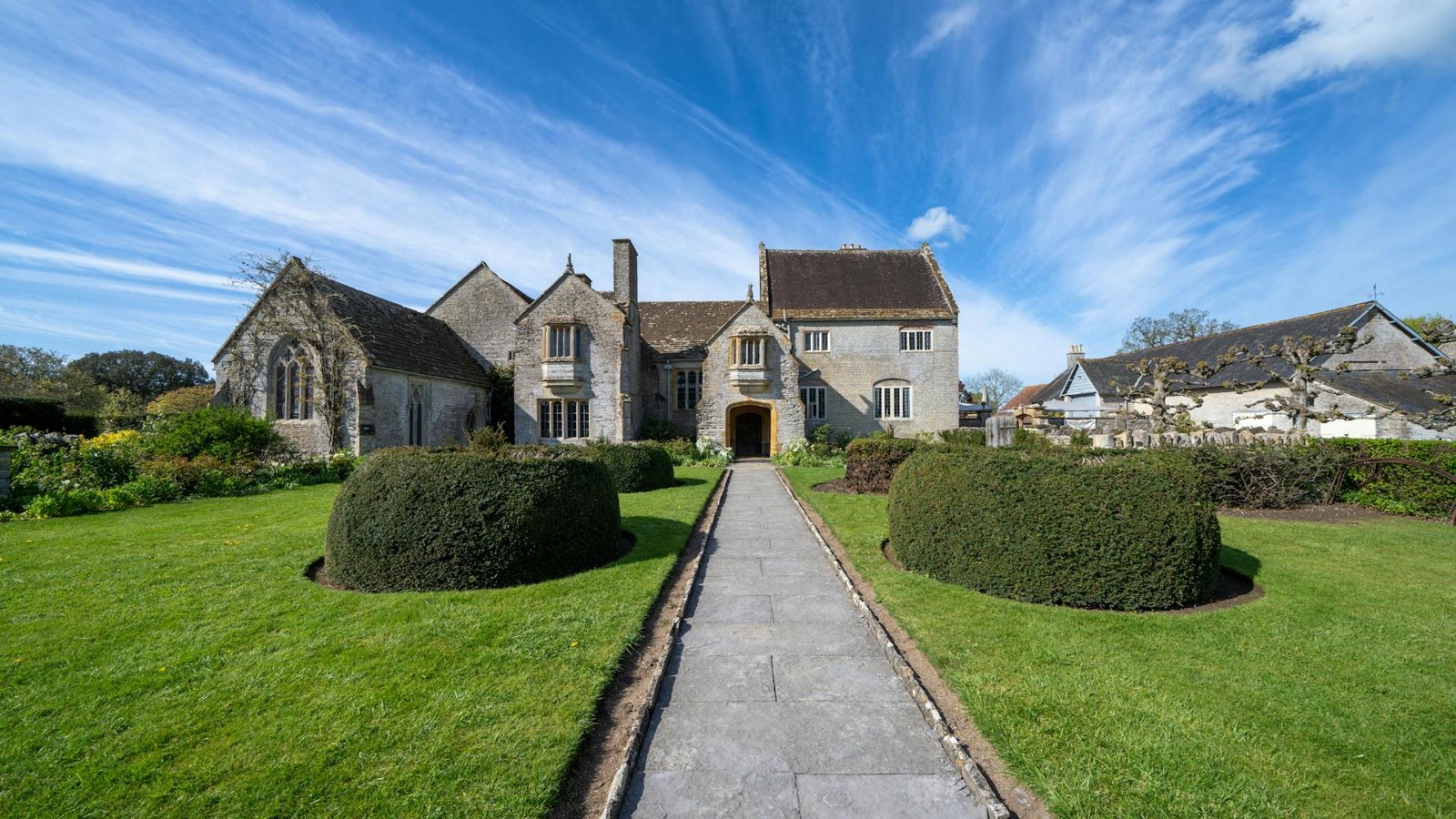
New build in old fabric
Guest cottages, pool houses, gatehouses, chapels, stables, and staff quarters built new in the same fabric as the main villa. Lime renders, terracotta roofs, hand-cut oak beams, ironwork from Reschio Forge or a local maréchal-ferrant. Built to read as if they had always been there.
Open ++Stewardship retainer
After the residency phase, a slow retainer for the finishing work that a serious villa or mas always wants: a fresco recovered in year three, a stable converted in year five, an olive press rebuilt in year seven. We stay on the file and on the site as the family needs us.
Open ++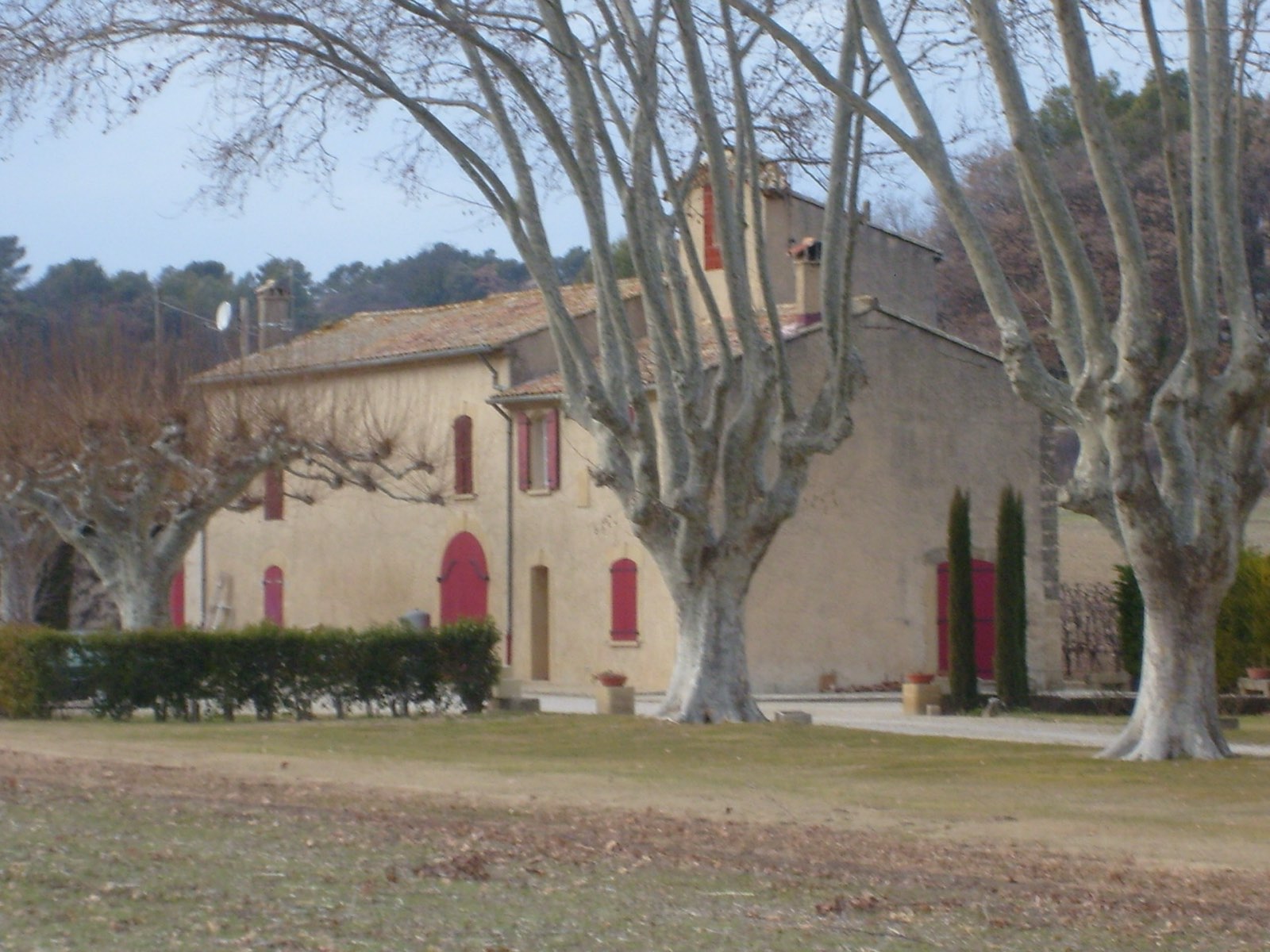
Sources and notes
Anglo-Italian villa canon
Castello di Reschio under Benedikt Bolza. Borgo Santo Pietro under the Thottrups. Villa Cetinale under the Lambton family. La Foce in the Val d'Orcia. Monteverdi at Castiglioncello del Trinoro. Studio Peregalli in Lombardy. Axel Vervoordt's work at Reschio and in the Veneto. The shared lesson is patience, restraint, and a family hand kept visible through three generations.
Provencal canon
Chateau de Fabregues. La Ferme at Megeve. Hotel du Couvent in Nice under Festen Architecture. Bastide de Marie above Menerbes. Chateau d'Estoublon in the Alpilles. The register is monastic proportion, lime, terracotta, dry stone, iron, and a refusal of the soft renovation finish.
Named workshops
Bianco Bianchi in Florence for scagliola. Bartolozzi for joinery and boiserie. Impruneta kilns for cotto. Henraux at Querceta for marble. Tassin and Saint-Astier for lime. Salernes for tomettes. Atelier Vime in Vallabrègues for rattan. Atelier Zuber for woodblock papers. Reschio Forge for ironwork. The list is held and updated on the file.
Open a villa or mas brief.
Send a brief or call the studio. We respond to every serious inquiry within two working days.